综合能源体系

Search documents
江苏沿海能源新动脉年底贯通,设计年输送天然气能力达280亿立方米
Xin Hua Ri Bao· 2025-12-02 08:07
Core Insights - The Jiangsu Coastal Natural Gas Pipeline, with an annual transmission capacity of 28 billion cubic meters, is set to be fully operational by the end of this year, significantly enhancing the energy infrastructure in the Yangtze River Delta region [1][2] Group 1: Pipeline Development - The pipeline's construction has reached over 500 kilometers, with a total operational length expected to exceed 1,000 kilometers by year-end, bolstering natural gas supply security in Jiangsu province [2] - The successful commissioning of the Huai'an-Jianhu-Yancheng section, which is 150 kilometers long, connects key gas storage facilities and enhances the integration with the national pipeline network [1][2] Group 2: Strategic Partnerships and Infrastructure - A cooperation agreement between Guoxin Group and the National Pipeline Group aims to deepen the integration of provincial and national gas networks through a "three-network" model [1] - The Guoxin LNG receiving station project, with an investment of approximately 7.7 billion yuan, is under construction and will be the first large-scale storage and peak-shaving project independently built by Jiangsu [2] Group 3: Future Prospects - Guoxin Group is expanding its natural gas supply chain by investing in upstream projects and aims to create a comprehensive energy system that includes wind, solar, water, fire, gas, and storage [2] - The anticipated natural gas supply capacity is expected to account for about 15% of Jiangsu's energy supply, comparable to the electricity supply capacity [2]

江苏沿海能源新动脉年底贯通设计年输送天然气能力达280亿立方米
Xin Hua Ri Bao· 2025-11-29 23:08
Group 1 - The Jiangsu coastal natural gas pipeline, with an annual transmission capacity of 28 billion cubic meters, is set to be fully operational by the end of this year, with over 500 kilometers completed [1][2] - The total length of natural gas pipelines operated by the state-owned Guoxin Group will exceed 1,000 kilometers, enhancing the energy supply capacity for the Yangtze River Delta region [1][2] - The pipeline's integration with the national network and multiple gas storage facilities will provide strong green energy support for regional development [1] Group 2 - The Guoxin Group is accelerating the construction of a comprehensive natural gas industry chain, transitioning from pipeline transportation to an integrated model of "purchase, sales, storage, and use" [2] - The Guoxin LNG receiving station project, with a total investment of approximately 7.7 billion yuan, is under construction and is expected to be completed by the end of this year [2] - The future natural gas supply scale is expected to account for about 15% of the total energy supply in Jiangsu province, comparable to the electricity supply capacity [2]
10亿元注册!新能源“头号玩家”浮出水面
第一财经· 2025-10-27 09:08
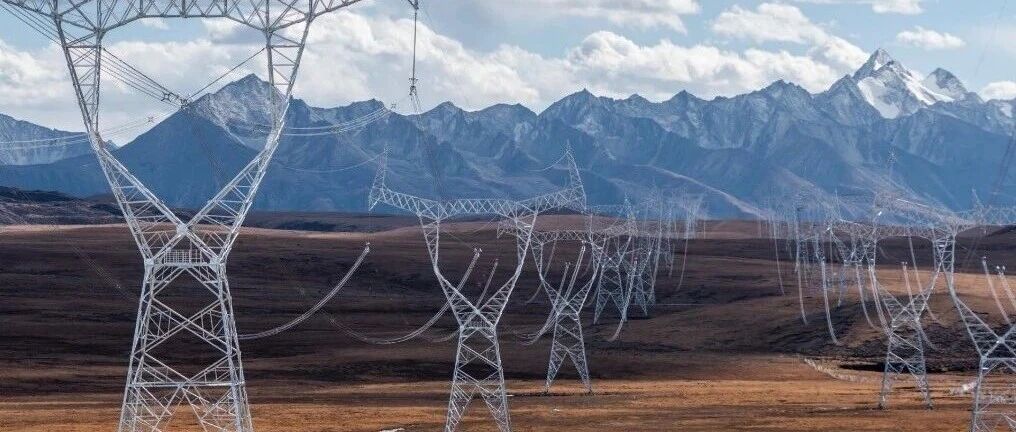
Core Viewpoint - The establishment of Yajiang New Energy marks a significant step for China Yajiang Group in diversifying its clean energy portfolio and building a comprehensive energy system [3][4]. Company Overview - Yajiang New Energy, fully owned by China Yajiang Group, has a registered capital of 1 billion yuan and is located in Lhasa, Tibet [3]. - The company's business scope includes solar and wind power services, energy storage technology, hydrogen facilities, and various power generation and transmission services [3]. Industry Context - The establishment of Yajiang New Energy is seen as a response to the trend of large energy groups diversifying into clean energy [4]. - The integration of hydropower with wind and solar energy is expected to optimize the energy structure in the region [4][5]. Regional Energy Landscape - Tibet is recognized as a "treasure trove" of clean energy, with over 99% of its electricity generated from clean sources [5]. - Since the initiation of "Tibetan electricity export" in 2015, Tibet has exported over 15 billion kilowatt-hours of clean energy by September this year [5]. - Future projections indicate that by 2050, Tibet will have over 10 high-voltage direct current transmission channels for clean energy, with an annual export capacity exceeding 500 billion kilowatt-hours, which is 33 times the cumulative export of the past decade [5].