食用菌产业

Search documents
靶向施策打通食用菌全产业链发展关键堵点
Xin Lang Cai Jing· 2026-02-11 20:52
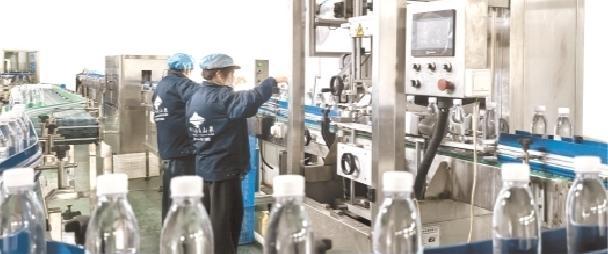
Core Viewpoint - The Chinese edible mushroom industry is experiencing rapid growth and is now the fifth largest planting industry in the country, following grains, oils, fruits, and vegetables. The industry faces challenges in various segments, including strain research, raw material supply, cultivation management, processing, and market circulation, necessitating targeted strategies to enhance the entire industry chain [1]. Group 1: Strain Innovation - There are approximately 300 known edible mushroom species in China, but only over 60 have been cultivated artificially. Local high-performance wild mushroom resources, which have distinct regional characteristics and adaptability, remain underutilized. It is essential to establish a gene bank for these resources and develop an intelligent strain selection platform using advanced biotechnologies [2][3]. Group 2: Raw Material Assurance - The edible mushroom industry heavily relies on wood chips as a cultivation substrate, particularly for species like shiitake and black fungus. With the tightening supply of wood chips, developing dedicated edible mushroom forests is crucial. This includes targeted cultivation of high-value wild mushroom forests and establishing a property rights system for these forests to ensure clear usage and profit rights for growers [4][5]. Group 3: Production Innovation - The current production model of the edible mushroom industry is fragmented, with less than 10% of production being factory-based. There is a need to promote standardized production among growers and accelerate the transition to industrialized production to overcome challenges related to scale and efficiency. This includes establishing standardized production bases and integrating advanced technologies to enhance production efficiency and product quality [6][7]. Group 4: Processing Breakthrough - The processing rate of edible mushrooms in China is only about 6%, with most processing remaining at a basic level. To upgrade the industry, there is a need to invest in key deep processing technologies and facilitate the transformation of research results into practical applications. This includes establishing deep processing research centers and enhancing collaboration between research institutions and leading enterprises [8][9]. Group 5: Distribution Upgrade - The distribution of edible mushroom products is currently dominated by traditional sales models, limiting market expansion. There is a need to optimize e-commerce channels and strengthen regional brand building. This includes encouraging the use of e-commerce platforms for sales, establishing cold chain logistics systems, and promoting the development of regional public brands to enhance market recognition and consumer trust [10][11].
四省边际食用菌产业科技示范园建设正酣
Xin Lang Cai Jing· 2026-02-11 17:44
Group 1 - The core project is the establishment of a modern edible mushroom industry technology demonstration park in San Shan Village, which is a key agricultural investment project in Kecheng District, operated by Zhejiang Leva Biotechnology Co., Ltd. [1] - The project has made rapid progress since its initiation in August 2025, with the first management building completed and the main structure of the steel factory building successfully capped. The first phase is expected to be operational by June or July 2026 [1][2]. - The project involves a total investment of over 100 million yuan, covering an area of 105 acres, and aims to build 10 modern mushroom houses and an administrative complex, incorporating advanced Dutch intelligent environmental control systems [2]. Group 2 - The project is expected to process 6,000 tons of straw annually, producing 1,800 tons of high-quality mushroom products, with an annual output value of 50 million yuan and a total output value potentially exceeding 80 million yuan [3]. - The company plans to promote a "company + farmer" model for mobile cloud mushroom houses, providing farmers with technical guidance, quality mushroom strains, and stable sales channels [3]. - The company aims to establish a benchmark for the mushroom industry in the four-province border area, contributing to high-quality agricultural development and increasing farmers' income [3].
“脱贫攻坚第一站”成县级文保单位
Xin Lang Cai Jing· 2026-02-03 18:43
Core Viewpoint - The article highlights the transformation of Gujiatai Village in Hebei Province from a poverty-stricken area to a thriving community through various development initiatives and government support [1][2]. Group 1: Poverty Alleviation Achievements - In 2012, Gujiatai Village had 110 registered poor households with a poverty rate of 75% [1]. - By 2017, the village achieved complete poverty alleviation, with per capita disposable income rising from 980 yuan in 2012 to 29,000 yuan by 2025 [1]. Group 2: Economic Development Initiatives - The village has developed a diversified economy, including a high-efficiency fruit industry with 527 acres of apple and cherry orchards, providing stable employment for 23 villagers and an annual income increase of 20,000 yuan per person [2]. - The establishment of 50 mushroom greenhouses has generated an annual output value of 5 million yuan, benefiting 31 households [2]. - A leather processing factory has been introduced, employing 90 people and increasing their annual income by 25,000 yuan per person [2]. - The local tourism industry has created jobs for 23 individuals, with an average income increase of 20,000 yuan per person [2]. Group 3: Community and Infrastructure Development - Gujiatai Village has leveraged its historical significance, attracting over 150 government agencies, universities, and enterprises for long-term cooperation [2]. - The village has transformed from a barren area into an ecological and livable garden village, with ongoing efforts to implement rural revitalization strategies [2].
“生态赤字”如何变为“美丽经济”?这些乡村给出了答案
Yang Shi Xin Wen Ke Hu Duan· 2026-01-31 12:32
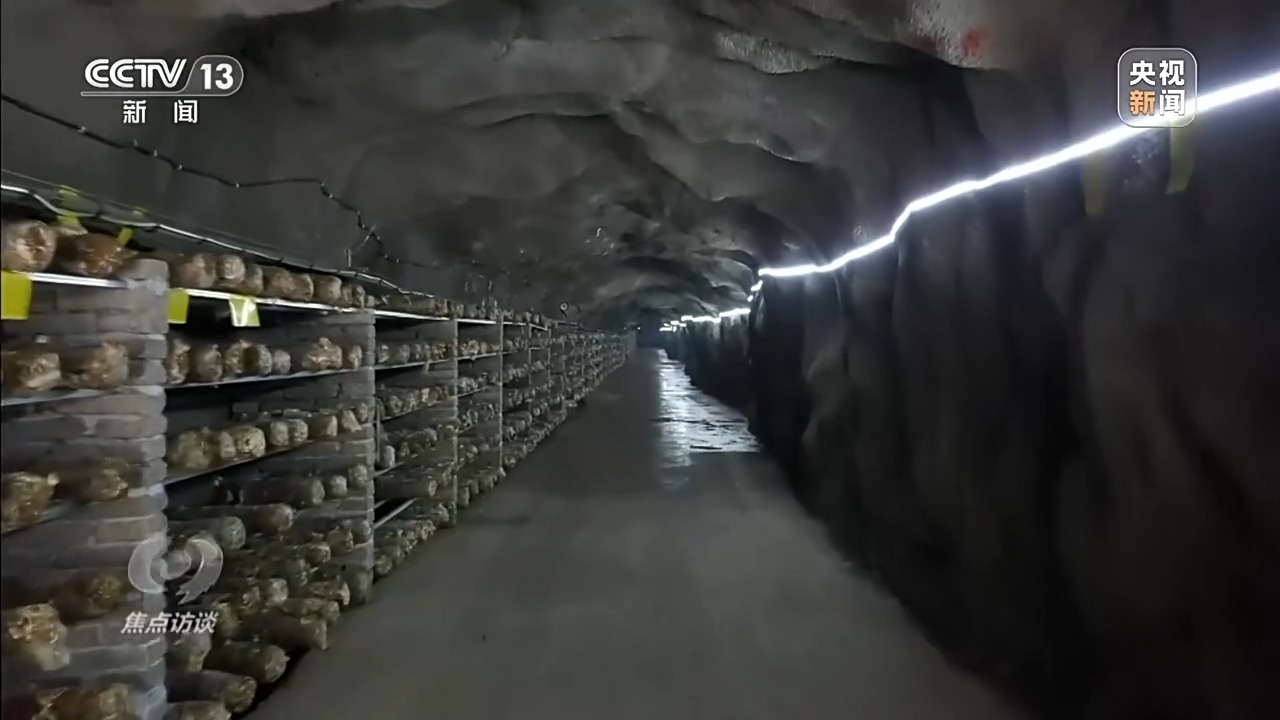
Core Viewpoint - The construction of beautiful rural areas is crucial for rural revitalization, the overall development of a beautiful China, and ecological civilization [13] Group 1: Beautiful Rural Areas and Ecological Development - The Ministry of Ecology and Environment has announced the first batch of beautiful rural pilot areas, which includes 23 counties (cities, districts) [13] - Beautiful rural areas are characterized by clean villages, effective sewage and waste management, and the elimination of black and odorous water bodies [9] - The pilot areas are expected to explore high-quality, low-cost environmental governance technologies and practices that can be replicated and promoted [11] Group 2: Case Study of Baokang County - Baokang County has transformed its economy from mining to edible mushroom production, utilizing abandoned mines for cultivation, achieving an annual output value exceeding 50 million yuan [5] - The county has implemented ecological restoration and improved rural living environments, with over 75% of rural sewage treated and 97% of household waste managed harmlessly [7] - The local tourism revenue is projected to reach 5.5 billion yuan by 2025, with a green GDP contribution rate of over 40% [7] Group 3: Integration of Urban and Rural Development - The development of beautiful rural areas is also aimed at promoting urban-rural integration and addressing the dual structure of development [15] - In Liyang, Jiangsu, the "Liyang No. 1 Road" connects various rural tourism points, enhancing the local tourism industry and increasing farmers' incomes [17][19] - The integration of cultural, sports, and tourism industries in rural areas has led to significant economic benefits for local communities [19] Group 4: Future Goals and Initiatives - By 2027, the goal is to support around 100 counties in building beautiful rural pilot areas, aiming for a 40% completion rate of beautiful rural areas across over 2,800 agricultural counties [27] - The quality of rural ecological environments is expected to improve continuously, with a target of 20% completion of beautiful rural areas by 2025 [27] - The emphasis is on creating high-quality living spaces in rural areas to enhance the sense of gain and happiness among farmers [27]

焦点访谈|为何要建美丽乡村先行区?答案藏在这些变化里
Yang Shi Wang· 2026-01-30 13:30
Core Viewpoint - The construction of beautiful villages is crucial for rural revitalization, the overall ecological civilization, and the development of a beautiful China, with the Ministry of Ecology and Environment recently announcing the first batch of 23 beautiful village pilot areas [1][8]. Group 1: Beautiful Village Pilot Areas - The first batch of beautiful village pilot areas includes 23 counties (cities, districts) such as Anji in Zhejiang, Shaoshan in Hunan, and Panjin in Liaoning, which meet basic conditions like clean mountains and waters, effective sewage and waste management, and the elimination of black and odorous water bodies [5][8]. - These pilot areas are expected to explore high-quality, low-cost environmental governance techniques and promote replicable experiences in transforming ecological advantages into economic benefits [6][12]. Group 2: Ecological Restoration and Economic Transformation - In Baokang County, the transition from mining to edible mushroom production in abandoned mines has led to an annual output of 3 million mushroom sticks and a revenue exceeding 50 million yuan, showcasing a successful model of ecological restoration [3][5]. - The county has also achieved over 75% sewage treatment and 97% harmless waste disposal rates, indicating a shift from ecological deficit to a "beautiful economy" [5][12]. Group 3: Urban-Rural Integration and Development - The development of the "1st Road" in Liyang, Jiangsu, has connected 312 natural villages and over 220 rural tourism spots, facilitating the integration of urban management experiences into rural development [10][12]. - The establishment of a homestay industry association has helped local villages like Wangjia Village to enhance their tourism offerings, resulting in collective operating income exceeding 300,000 yuan [10][12]. Group 4: Agricultural and Environmental Improvements - In Huaiyang District, Zhoukou, Henan, systematic governance of a previously polluted pond has restored its ecological system, enhancing agricultural productivity and water conservation [14][16]. - The introduction of "fishing-solar complementary" projects in local ponds has generated significant income through both aquaculture and renewable energy production, demonstrating innovative agricultural practices [16][18]. Group 5: Future Goals and Vision - By 2027, the goal is to support around 100 counties in establishing beautiful village pilot areas, aiming for a 40% completion rate of beautiful villages across over 2,800 agricultural counties [16][18]. - The emphasis on creating high-quality living spaces in rural areas aligns with the broader vision of making beautiful villages a hallmark of a modernized strong nation and a vibrant ecological civilization [18].
“蘑菇姐姐”黄清华:良种下田地,良策上两会丨2026广东两会
Nan Fang Nong Cun Bao· 2026-01-26 10:04
Core Viewpoint - Huang Qinghua, known as "Mushroom Sister," emphasizes the importance of quality seed varieties and effective agricultural policies to enhance the income of farmers in Guangdong province [6][8]. Group 1: Industry Development - Huang Qinghua has been dedicated to the edible mushroom industry for over 20 years, focusing on the needs of local farmers and the development of the industry [3][4]. - The introduction of the Qilin mushroom variety has significantly reduced planting costs and simplified cultivation techniques, making it accessible for farmers in mountainous regions [22][23]. - Farmers in northern Guangdong have begun trial planting of Qilin mushrooms, achieving low-cost investment, easy operation, and high returns [24][25]. Group 2: Policy Advocacy - Huang has successfully advocated for the implementation of the "12221" market system for agricultural products, which has shown significant results across the province [27][32]. - The system aims to ensure that agricultural products are produced and sold effectively, which is crucial for the revitalization of the industry [28][29]. Group 3: Strategic Recommendations - Huang suggests that Shaoguan should position itself as a supplier of ecological agricultural products and a green agricultural brand, leveraging its ecological advantages [39][40]. - To enhance the "Shaoguan flavor" brand, three strategies are proposed: improving product quality, strengthening brand storytelling, and optimizing sales channels [41][50]. - Emphasis is placed on maintaining ecological standards, developing convenient product formats, and utilizing digital channels for direct consumer engagement [43][51].

昆企拟打造中国食用菌精深加工品牌
Xin Lang Cai Jing· 2026-01-19 22:17
Core Insights - The company aims to establish itself as a "Chinese edible mushroom deep processing brand" through the newly formed Yunnan Four Seasons Mushroom Grain Supply Chain Co., Ltd, addressing the core bottlenecks in the wild mushroom industry for high-quality development [1][2] - The strategy focuses on "one-hand traceability" and "four-season supply" to tackle long-standing trust and efficiency issues in the Yunnan mushroom industry, which is crucial for achieving the province's goal of a "100 billion yuan mushroom" industry [1][2] Industry Challenges - The wild mushroom industry in Yunnan faces two main challenges: fragmented sourcing with inconsistent quality and safety issues, and seasonal supply instability leading to short value realization cycles [1][2] - These challenges hinder the standardization, branding, and value maximization processes within the industry [1] Development Strategy - Four Seasons Mushroom Grain aims to create a digital traceability system, establishing a unique "mushroom-mountain-person" database to ensure every batch of wild mushrooms can be traced back to its source, enhancing food safety and consumer trust [3] - The company integrates 26 years of experience to form three standardized supply models: fresh mushrooms, frozen mushrooms, and dried mushrooms, ensuring maximum freshness and nutrition retention through immediate processing at the collection sites [3] Industry Recognition - The Yunnan Edible Mushroom Association acknowledges the importance of building a standardized, safe, and stable wild edible mushroom supply chain to enhance core competitiveness and address industry development bottlenecks [4] - The association plans to assist the company in connecting with production area resources and matching market demands to improve industry standards and traceability systems [4]
广西玉州区:以科技赋能设施农业 推动产业迈向高质量发展
Xin Lang Cai Jing· 2026-01-16 13:55
Group 1 - The modern chicken breeding demonstration base in Yuzhou District, Guangxi, showcases a significant shift towards standardized, large-scale, and intelligent agricultural practices, producing over 5 million high-quality Sanhuang chicken chicks annually on an area of more than 160 acres [1] - Yuzhou District is actively exploring a three-dimensional planting and breeding model, promoting a modern production pattern that integrates fruits and vegetables, mushrooms, livestock, and poultry, thereby enhancing the efficiency and intensification of traditional agriculture [1] - The local beef noodle industry park supports the construction of automated rice noodle production lines, achieving a daily output of 50 tons and an annual processing capacity of nearly 20,000 tons, while also improving grain drying, storage, and processing systems [1] Group 2 - The mushroom industry is leveraging technological innovation, introducing smart spraying systems and automated temperature control equipment, which shortens sterilization time by 30% and saves 40% on fuel, with an annual processing capacity of 6,000 tons [2] - The digital transformation in the breeding industry is being driven by the "Internet + modern agriculture" initiative, with smart monitoring devices and digital management platforms enhancing the entire production chain, resulting in an increase in per capita breeding capacity to 8,000 birds and a labor productivity improvement of over 10% [2] - The automation rate in breeding has reached 95%, contributing to a steady increase in egg production rates [2]
福州:敖江清流滋养“绿富共赢”新图景
Xin Hua Wang· 2026-01-15 05:04
Core Viewpoint - The article highlights the transformation of the Aojiang River basin in Fuzhou, where ecological protection and economic development are harmoniously integrated, showcasing a model of "green and prosperous win-win" development [1][2]. Group 1: Ecological Protection Measures - The Aojiang River is crucial for the water supply of Fuzhou and the ecological safety of millions, prompting the Fujian provincial government to implement protective measures since 2000, including the closure of polluting industries and the construction of wastewater treatment facilities [1]. - The water quality in the Aojiang River has improved significantly, with stable water quality reaching Class III or above, and Class II water quality accounting for 64.3% [1]. Group 2: Economic Transformation in Villages - In the Jinan District's Rixi Village, the prohibition of pig farming led to a shift towards orange cultivation, specifically the "Navel Orange 52," which has become a profitable crop for the villagers [2][4]. - Rixi Village has over 1,000 acres of navel oranges, producing 1,200 tons annually with a revenue exceeding 6 million yuan, demonstrating the economic benefits of ecological conservation [4]. Group 3: Agricultural Innovations and Community Support - The establishment of a cooperative in Rixi Village has improved the efficiency of orange cultivation and sales, moving away from traditional low-price roadside selling [4]. - In Hoko Township, the ban on livestock farming has led to a boom in mushroom cultivation, with over 100 villagers engaged in this industry, significantly increasing their incomes [6]. Group 4: Ecotourism and Biodiversity - In Dongdai Town's Shantang Village, ecological restoration has fostered a "migratory bird economy," attracting over 250 species of wild birds and transforming the village into a birdwatching destination [8]. - The village plans to generate 443,600 yuan in collective income by 2025 through ecotourism initiatives, showcasing the economic potential of biodiversity [8].
做实产业含绿量提升发展含金量
Xin Lang Cai Jing· 2026-01-12 22:06
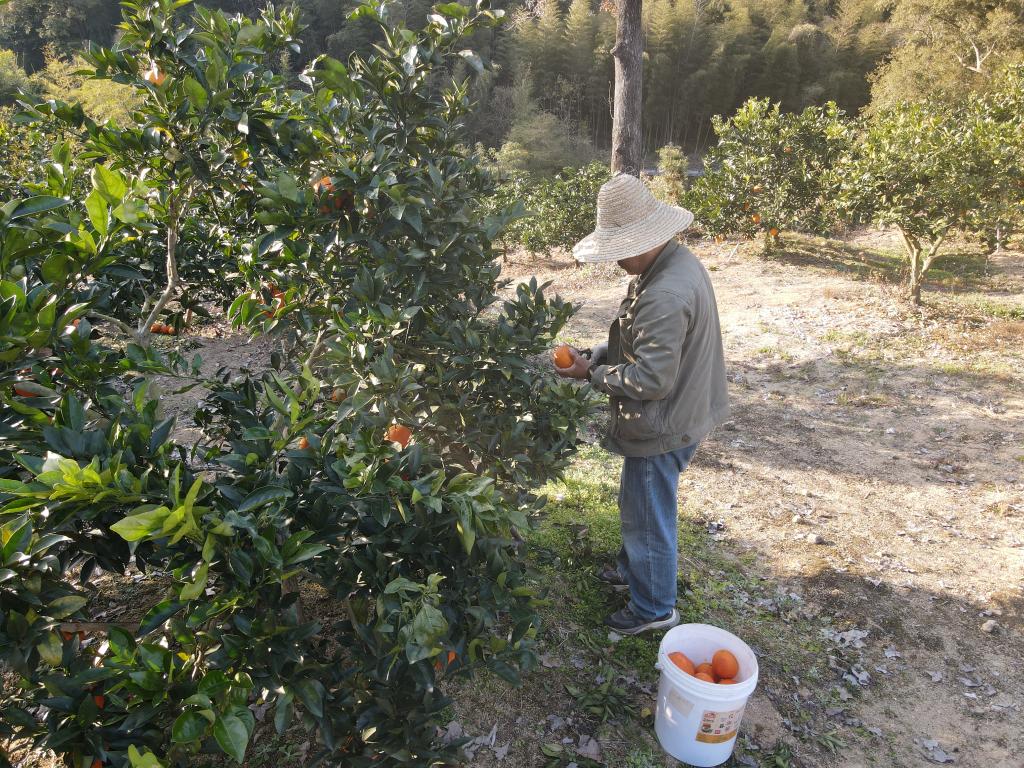
Core Viewpoint - The article emphasizes the commitment of the local government in Yanjing County to implement high-quality development strategies, focusing on ecological advantages and the integration of various industries to promote sustainable growth and improve living standards. Group 1: Industry Development - The county aims to promote "three industries in parallel," focusing on ecological agriculture with tea, edible fungi, and traditional Chinese medicine as key sectors, enhancing the comprehensive benefits of these industries [6] - The strategy includes deep processing of tea and the integration of the edible fungi industry, alongside full-chain projects for mountain walnut and traditional medicinal materials [6] - The county plans to develop ecological industries in designated zones, with specific focuses on the liquor and water industries, ecological food and beverage, and green building materials [6][7] Group 2: Infrastructure Projects - The government is working on improving urban construction management systems, enhancing urban resilience, and accelerating digital infrastructure development [7] - A comprehensive transportation network is being established, including the construction of the Zhaoqian Railway and upgrades to provincial roads and highways [7] - Efforts are being made to develop a large water network, including the construction of a major reservoir and the implementation of interconnecting regional water supply projects [7] Group 3: Social Welfare and Employment - The focus is on rural revitalization and ensuring food security while expanding employment services and supporting entrepreneurship and skills training [8] - The government aims to optimize educational resources and improve public health services to ensure equitable access to development benefits [8] Group 4: Governance and Leadership - The local government emphasizes the importance of ecological protection, debt risk management, and maintaining social stability as part of its development strategy [8] - There is a strong commitment to enhancing party leadership and building a robust political ecosystem to support the county's development goals [8]