网红食品

Search documents
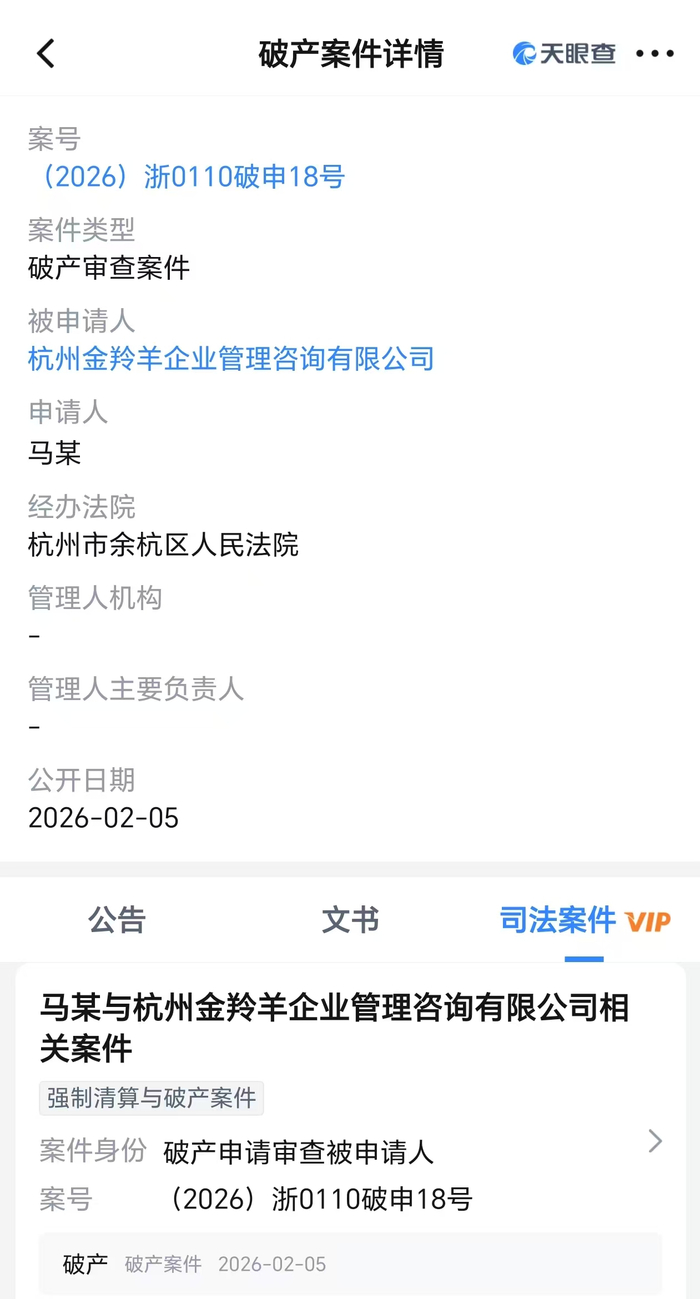
自嗨锅关联公司被申请破产,此前创始人蔡红亮被多次限高
Xin Lang Cai Jing· 2026-02-06 09:23
Core Viewpoint - The once-popular brand "Self-Heating Pot" is on the brink of bankruptcy, with its associated company, Hangzhou Jinlingyang Enterprise Management Consulting Co., Ltd., recently entering bankruptcy review proceedings [1] Group 1: Company Background - Hangzhou Jinlingyang was founded by Cai Hongliang, a former founder of Baicaowei, who sold the company in 2016 and established Hangzhou Jinlingyang in 2018 to create the Self-Heating Pot brand [5] - The brand gained rapid popularity through aggressive marketing, achieving sales of 5 million pots in just 10 minutes and annual sales reaching 1 billion [5] Group 2: Financial Performance - The company's revenue from 2020 to 2022 was reported as 958 million, 992 million, and 820 million respectively, with year-on-year growth of 3.5% in 2021 and a decline of 17.34% in 2022 [6] - The net profit attributable to the parent company was -151 million, -314 million, and 27.52 million over the same period [6] Group 3: Market Position and Challenges - The market share of Self-Heating Pot decreased from 1.84% in 2022 to 1% in 2023, attributed to over-reliance on marketing and a lack of diverse product scenarios [6] - The company faced forced execution due to a debt of 11.25 million owed to Focus Media, with a total of over 1.4 billion in executed amounts and 3.2 billion in historical executed amounts [6] Group 4: Investment and Acquisition Attempts - Between 2018 and 2021, Hangzhou Jinlingyang completed five rounds of financing, raising over 550 million, with a peak valuation of 7.5 billion [5] - In March 2023, Lianhua Health announced plans to acquire at least 20% of Hangzhou Jinlingyang for 300 million to 600 million, but the deal fell through due to high premium rates [5]

经济日报:别被玫瑰盐迷花眼
Xin Lang Cai Jing· 2025-12-28 05:00
Core Insights - The rise of pink Himalayan salt as a trendy seasoning has been driven by its perceived health benefits and aesthetic appeal, leading to prices that are several times higher than regular salt [1][2] - Recent reports of heavy metal contamination in pink salt have raised significant health concerns, highlighting the risks associated with popular food products [1][3] Group 1: Marketing and Consumer Perception - The marketing of pink salt effectively targets consumer psychology, leveraging its mineral content and unique color to create a premium image [2] - The association with Himalayan origins and claims of being "natural" resonate with consumers' anxieties about industrial food products, leading them to equate higher prices with better nutrition [2] Group 2: Health Risks - Pink salt does not meet national food safety standards, particularly in terms of color and purity, and contains higher levels of harmful heavy metals compared to refined salt [3] - Long-term consumption of pink salt poses serious health risks, including potential damage to the nervous system and kidneys, as well as an increased cancer risk [3] Group 3: Regulatory Issues - The recent food safety scandal has exposed regulatory gaps, particularly in cross-border e-commerce, where differences in food standards are exploited by sellers [4] - Some sellers import pink salt under the guise of "industrial salt" to bypass food safety regulations, leading to its unauthorized sale as a food product [4] Group 4: Recommendations for Safety - Regulatory bodies need to enhance food safety regulations for cross-border e-commerce, clarifying the distinction between industrial and edible salt [5] - E-commerce platforms should enforce stricter product labeling and eliminate misleading marketing claims, ensuring consumer protection [5] - Consumer education is crucial, emphasizing the importance of standard compliance and the core function of salt as a seasoning rather than a health product [5]
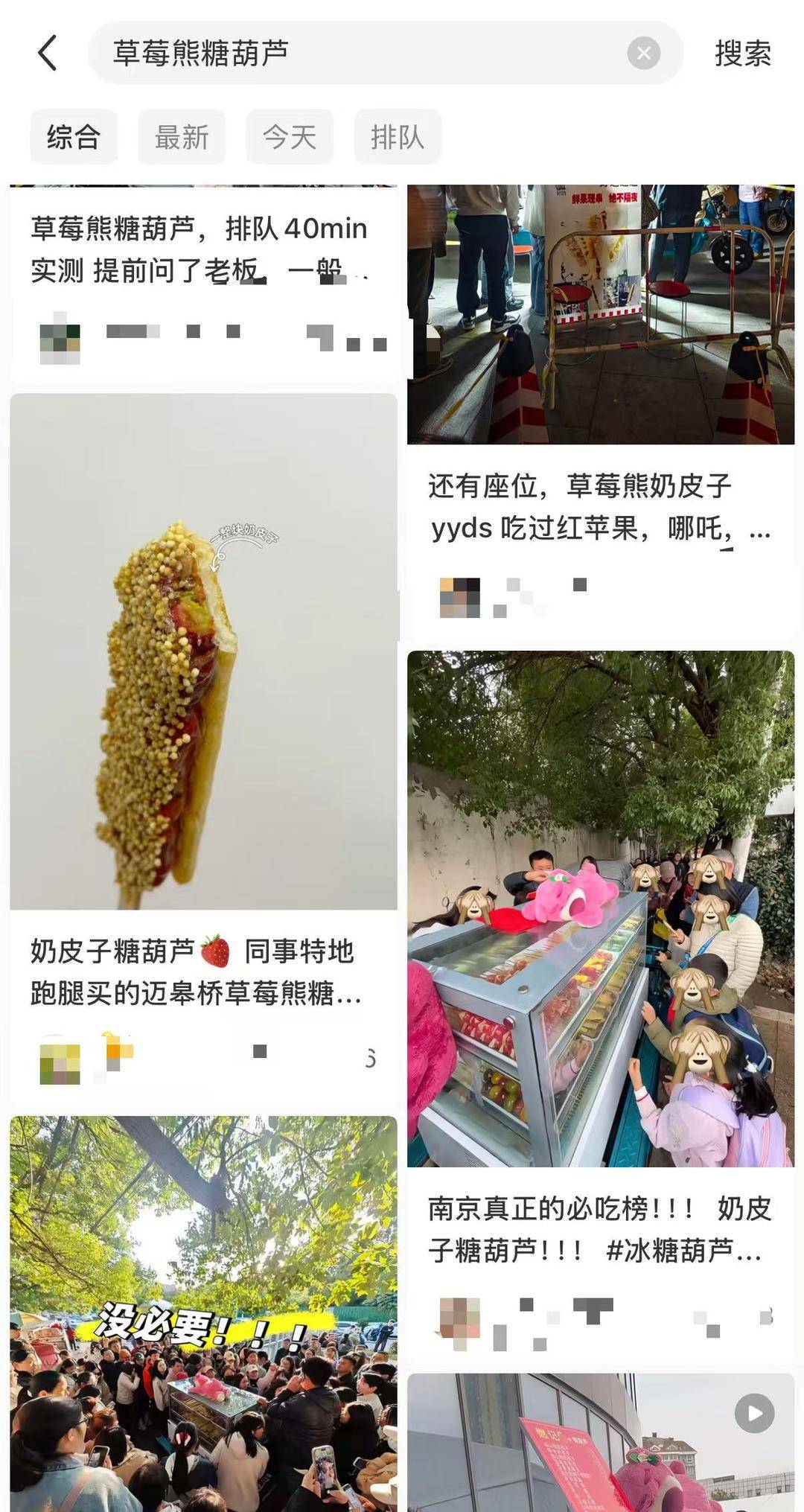
多地现排队热潮!“奶皮子糖葫芦”原材料销量上涨,理性消费成提醒重点
Yang Zi Wan Bao Wang· 2025-10-31 05:58
Core Insights - The innovative snack "Milk Skin Tanghulu" has gained immense popularity, leading to long queues in cities like Nanjing, with consumers waiting for hours and a significant increase in sales for vendors [1][3] - The social media buzz around "Milk Skin Tanghulu" has reached over 40 million views and 200,000 discussions on platforms like Xiaohongshu, with many users sharing their experiences and photos [3] - The surge in demand has caused raw material prices to rise by three to four times, with suppliers indicating that prices will not fluctuate unless absolutely necessary [7] Market Dynamics - The raw material market has seen a notable increase in the price of milk skin, with some suppliers already implementing pre-sale strategies due to high demand [7] - E-commerce platforms have reported a significant increase in sales of milk skin, with many listings specifically targeting its use in making "Milk Skin Tanghulu" [7] - Most suppliers of milk skin are concentrated in Inner Mongolia, indicating a regional supply chain focus [7] Consumer Behavior - The popularity of "Milk Skin Tanghulu" has led to the emergence of a secondary market for "queueing" and "purchasing" services, with fees reaching up to 140 yuan in addition to the product price [10] - Consumers have expressed frustration over the long wait times and the possibility of leaving empty-handed, highlighting the challenges of high demand [10] - The phenomenon of high-priced secondary purchases is not unique to this product, as similar trends have been observed with other trendy food items [13]