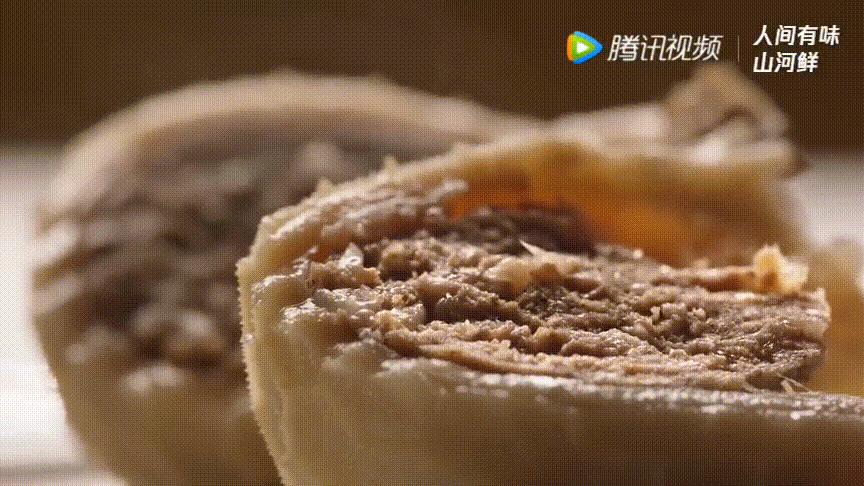
奶皮子

Search documents
200个肯尼亚孩子的 “白色黄金”——一捧面粉的百年坚守与力量
东京烘焙职业人· 2026-03-20 08:33
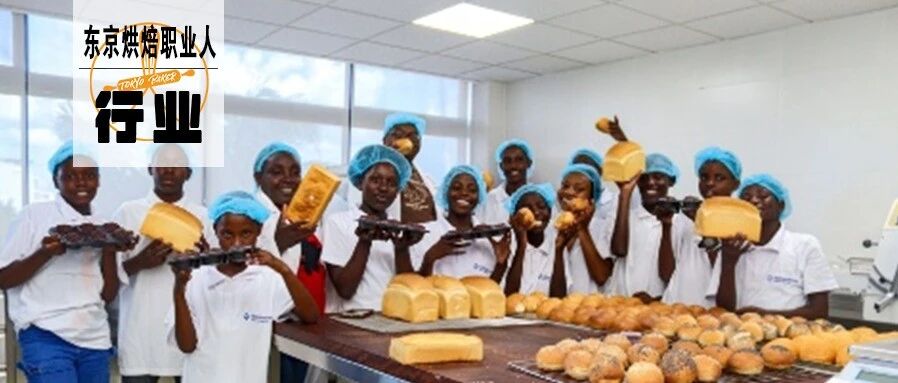
Core Insights - The article highlights the significance of flour in the lives of children at the Dream Children's Home in Kenya, emphasizing its role as a fundamental source of nutrition and energy for their growth and education [6][7][10] - It also marks March 20 as World Flour Day, symbolizing the cycle of sowing and harvesting, and aims to raise awareness about the importance of flour beyond just being a food item [9][10] Group 1: Dream Children's Home - The Dream Children's Home, founded by Rachel Gichia in 2004, provides shelter and education for abandoned and orphaned children in Kenya, currently housing over 200 children [6] - The staple foods for these children are chapati and ugali, made from wheat and maize flour, which fulfill most of their daily caloric needs [6][7] Group 2: Flour's Broader Impact - Flour is portrayed as a vital element supporting children's education and health, serving as a cornerstone for their future [7][10] - The article discusses the global issue of hunger, with approximately 733 million people facing food insecurity, particularly in Africa, where one in five people is affected [15] - The Millers for Nutrition alliance, initiated by Mühlenchemie, aims to enhance the nutritional quality of flour in eight countries, targeting to benefit 1 billion people by 2024 [15] Group 3: Mühlenchemie's Role - Mühlenchemie, a German brand established in 1923, collaborates with over 2,000 flour mills worldwide, advocating that flour is not just a commodity but a source of life energy [13][15] - The company is recognized as a pioneer in flour fortification, addressing hidden hunger caused by micronutrient deficiencies [15]

游客为内蒙古味道点赞
Xin Lang Cai Jing· 2026-02-19 21:59
Core Viewpoint - Inner Mongolia is leveraging its rich culinary heritage to attract tourists and enhance the festive atmosphere during the Spring Festival, showcasing traditional dishes and local delicacies [1][2][3] Group 1: Culinary Highlights - The region features signature dishes such as roasted whole lamb, hand-held meat, and traditional milk tea, which are central to the festive dining experience [1] - A notable dish, the local "shao mai," is highlighted for its unique preparation and flavor, emphasizing the craftsmanship involved in its making [2] - The combination of traditional foods creates a warm and inviting atmosphere for families and visitors, enhancing the overall festive experience [1][3] Group 2: Tourism and Economic Impact - Events like the "2026 New Year Goods Festival" and the "Inner Mongolia New Year Goods Expo" are designed to promote local products and stimulate consumer interest [2] - The integration of food with cultural heritage through various events aims to attract more visitors and boost local economic activity during the holiday season [2] - The distribution of food consumption vouchers is part of the strategy to encourage spending and support local businesses [2]
中国零食量贩模式,在东南亚注定失效
3 6 Ke· 2026-02-04 12:29
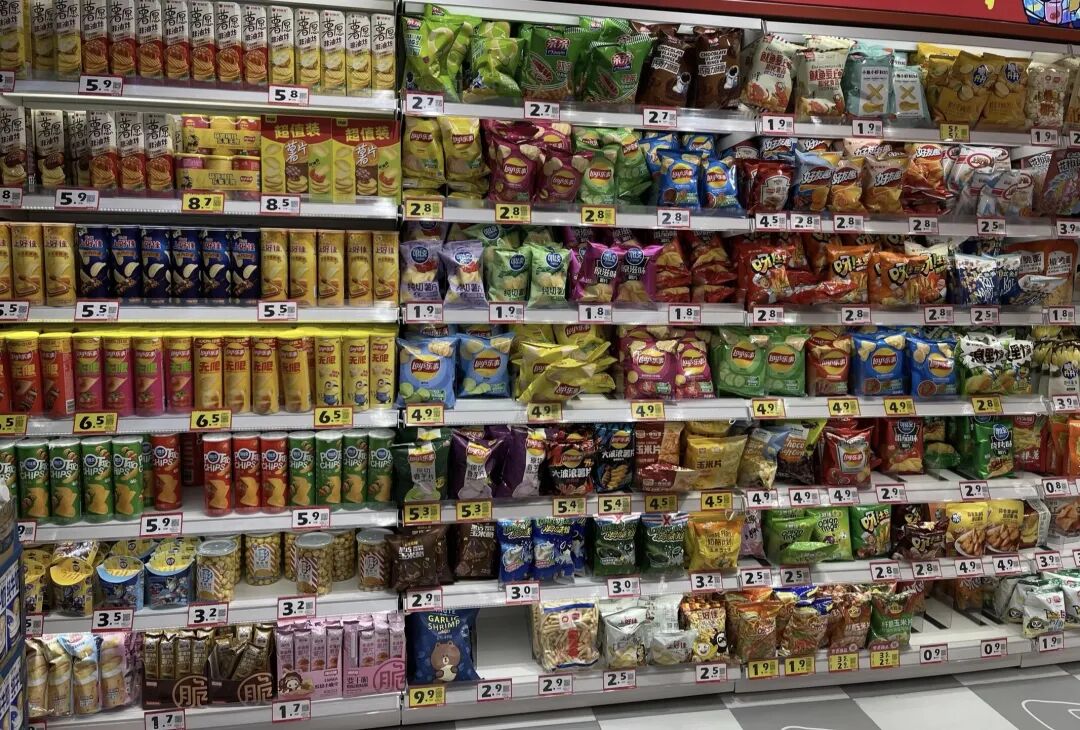
Core Viewpoint - The article discusses the challenges and misconceptions of expanding China's snack retail model into Southeast Asia, emphasizing that the unique conditions that allowed for the success of this model in China do not exist in Southeast Asia, leading to potential failures if the model is blindly replicated [1]. Group 1: Business Model Analysis - The core formula for China's snack retail (hard discount) is based on extreme low prices achieved through supply chain overflow, low fulfillment costs, and high turnover efficiency [3]. - The success of this model in China relies on a surplus of mature production capacity, which is absent in Southeast Asia [7]. - Southeast Asia's food industry is dominated by large corporations, making it difficult for new entrants to negotiate low prices or establish a competitive edge [10]. Group 2: Cost and Logistics Challenges - Importing products from China to Southeast Asia incurs high logistics and tariff costs, which can increase procurement costs by 30%-50% [11]. - The fragmented geography of Southeast Asia, with numerous islands, leads to high fulfillment costs and slow inventory turnover, making it difficult to maintain profitability [29]. Group 3: Consumer Behavior Differences - Southeast Asian consumers prefer small packaging and low prices due to their financial constraints, which contrasts with the bulk purchasing behavior seen in China [20][21]. - The low average transaction value in Southeast Asia can hinder the ability of snack retail stores to cover operational costs, as the model relies on high turnover and sales volume [22]. Group 4: Regulatory and Market Entry Barriers - The requirement for Halal certification in Indonesia and Malaysia presents significant barriers to entry for foreign snack retailers, complicating the process of introducing new products [30][32]. - The lengthy certification process can hinder the ability to quickly adapt to market trends, reducing the attractiveness of stores to consumers [36]. Group 5: Strategic Recommendations - Companies should focus on brand expansion rather than channel expansion, leveraging existing local distribution networks to introduce high-quality products [40]. - Local manufacturing should be prioritized to create products that cater to local tastes and price points, utilizing local resources and production techniques [41]. - Companies should be cautious of drawing parallels between different business models, as the operational dynamics of snack retail differ significantly from those of other sectors like beverage retail [43].
“内蒙古好物”尽显别样年味儿
Xin Lang Cai Jing· 2026-01-30 18:43
Core Insights - The event, organized by the Ministry of Foreign Affairs and the Inner Mongolia Autonomous Region, showcased over 1,100 unique products from more than 80 enterprises, emphasizing the theme "Foreign Affairs for the People, Empowering Development" [1][2] - The event achieved a transaction volume of 1.2 million yuan, facilitating a platform for enterprises to establish long-term sales channels [1] - Inner Mongolia aims to integrate its high-quality agricultural and cultural products into the Ministry of Foreign Affairs' supply chain, expanding market reach [1] Group 1 - The event lasted for two days and featured a diverse range of products, from authentic agricultural goods to creative cultural items, highlighting Inner Mongolia's industrial vitality and cultural richness [1][2] - The food section attracted significant attention, with products like milk skin, beef jerky, and high-quality rice, showcasing the unique flavors of Inner Mongolia [2] - The handmade crafts section displayed intricate items, such as horse figurines and leather paintings, which received widespread consumer acclaim [2] Group 2 - The Spring Festival Fair represents a successful exploration of the "Foreign Affairs +" integration development model, serving as a bridge for Inner Mongolian enterprises to connect with international markets [2] - The event aligns with the "Foreign Affairs for the People" philosophy, ensuring that the benefits of openness reach a broad audience [2] - Inner Mongolia is positioned as a key gateway for northern China's openness, leveraging foreign affairs resources to deepen economic and cultural exchanges [2]
人文经济激活消费新动能|在内蒙古嘎鲁图感受奶皮子的“七十二变”
Xin Hua Wang· 2026-01-29 09:43
Core Insights - The article highlights the transformation of Galu Tu, a town in Inner Mongolia, into a vibrant hub for dairy products, particularly focusing on the innovative use of "milk skin" in various culinary applications [1][2][3] Group 1: Industry Development - Galu Tu has initiated a dairy industry revitalization project since 2022, which includes planting over 4,000 acres of early-maturing oats and silage corn to provide stable and high-quality feed for more than 1,300 local herders [2] - The annual milk production in Galu Tu has surged from 817,000 kilograms in 2022 to nearly 5 million kilograms, ensuring a reliable supply of quality milk for the milk skin industry [2] - Modern dairy processing plants have been established, combining traditional craftsmanship with standardized production to enhance capacity and quality [2] Group 2: Innovation and Market Expansion - Galu Tu has embraced new consumer trends by hosting innovation competitions and selecting outstanding dairy artisans, turning the town into a "flavor laboratory" for diverse milk skin culinary creations [3] - Innovative products such as milk skin hot pot, coffee, pizza, and hawthorn-wrapped milk skin have emerged, meeting the modern consumer's demand for diverse and trendy dining options [3] - The integration of traditional dairy products with modern lifestyles has significantly increased the value of milk skin, benefiting local herders economically [3] Group 3: Future Goals - The local government aims to strengthen the entire dairy industry chain, focusing on cattle breeding, milk processing, milk skin sales, cultural tourism, and technological research [4] - The goal is to expand the market reach of Galu Tu's dairy products and ensure that more herders benefit from the industry's growth [4]
人文经济激活消费新动能丨在内蒙古嘎鲁图感受奶皮子的“七十二变”
Xin Hua Wang· 2026-01-29 04:15
Core Insights - The article highlights the transformation of dairy products, particularly "milk skin," in Galu Tu, Inner Mongolia, showcasing its integration into various modern culinary applications and the resulting economic benefits for local communities [1][2]. Group 1: Industry Development - Galu Tu has initiated a dairy industry revitalization project since 2022, which includes planting over 4,000 acres of early-maturing oats and silage corn to provide quality feed for local farmers, significantly increasing the annual milk production from 817,000 kg in 2022 to nearly 5 million kg [2]. - The establishment of modern dairy processing plants has improved production quality and capacity while preserving traditional techniques, ensuring stable output and quality [2]. Group 2: Innovation and Market Expansion - The town has embraced new consumer trends by hosting innovation competitions and awards for dairy producers, leading to creative culinary uses of milk skin, such as in hot pots, coffee, pizzas, and mooncakes, which have increased its market value and profitability for local farmers [3]. - A local entrepreneur has successfully innovated a milk skin candy hawthorn product, which gained popularity after initial resistance, demonstrating the potential for traditional products to adapt to modern tastes [3]. Group 3: Future Goals - The local government aims to strengthen the entire dairy industry chain, focusing on cattle breeding, milk processing, sales of milk skin, cultural tourism, and technological research to expand market reach and share the benefits of industry growth with more farmers [4].
奶制品产业提档升级
Xin Lang Cai Jing· 2026-01-12 20:05
Group 1 - The core viewpoint of the article highlights the rapid development and upgrading of the traditional dairy product industry in Kezuohouqi, Inner Mongolia, focusing on the production of dairy products like milk skin [3] - Inner Mongolia has established 79 local specialty dairy processing enterprises and 2,053 handmade workshops, indicating a significant growth in the dairy sector [3] - The annual processing capacity of fresh milk in Inner Mongolia has reached 900,000 tons, generating an output value exceeding 5 billion yuan [3]
中产“自律三件套”,它第一个塌房?
虎嗅APP· 2026-01-08 13:50
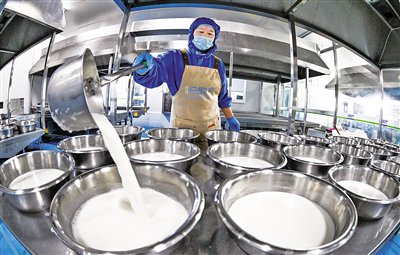
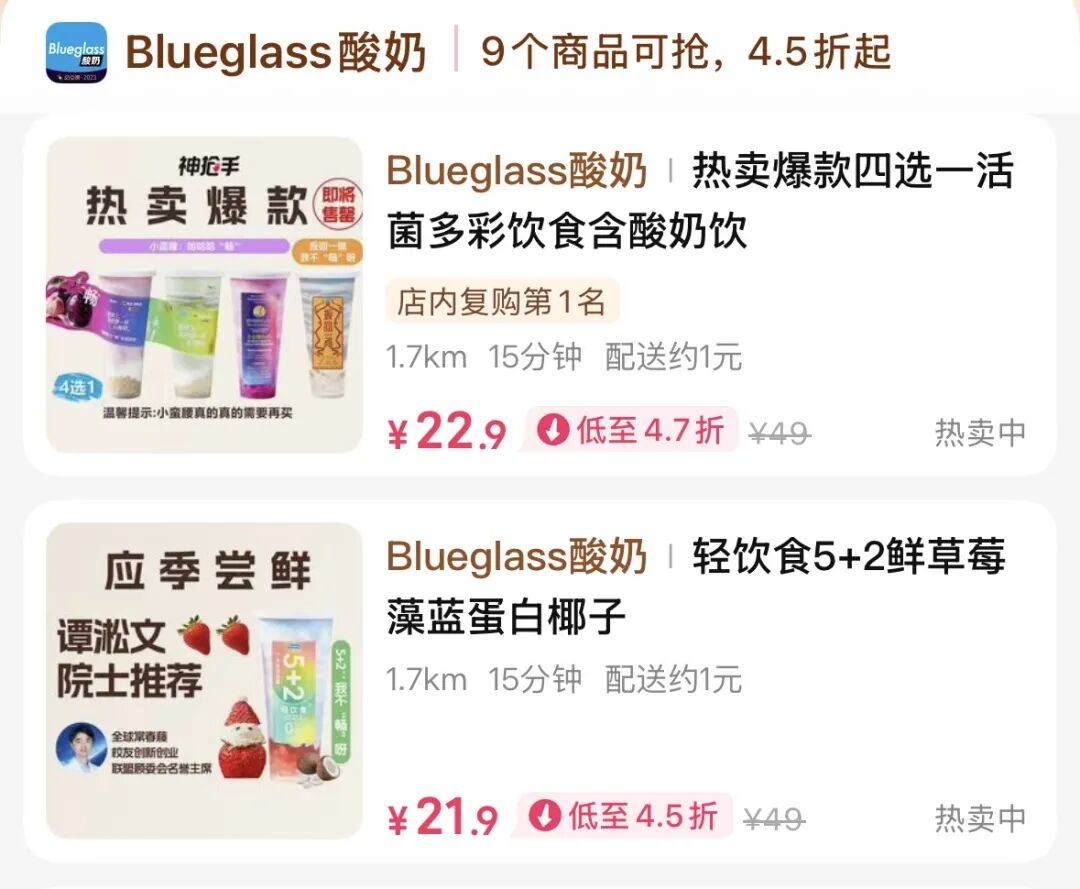
Core Viewpoint - The myth of premium yogurt brands, particularly Blueglass, is rapidly collapsing as prices drop and consumer trust erodes [4][8][30]. Group 1: Market Dynamics - Blueglass, once dubbed the "Hermès of yogurt," has seen its prices slashed, with promotional offers as low as 45% off [5][6]. - Other brands like K22 and Mo Yogurt, which were once thriving, are now struggling to compete in the lower price segments [7][27]. - The once high-priced yogurt drinks, marketed as health products, are now facing a backlash as consumers question their quality and value [30][32]. Group 2: Consumer Behavior - Consumers are shifting away from the narrative of "fresh and healthy" towards a more straightforward desire for taste, as evidenced by the rise of dairy snacks like milk skin [44][53]. - The previous trend of spending on premium yogurt for health reasons is being replaced by a willingness to pay for indulgent treats, such as milk skin snacks [54][56]. - The perception of yogurt as a health product is diminishing, with consumers now prioritizing flavor over health claims [52][55]. Group 3: Brand Challenges - Blueglass and other yogurt brands are facing significant challenges, including quality control issues and negative publicity related to product safety [34][35]. - The rapid expansion of these brands has led to operational pressures that compromise product quality, resulting in a loss of consumer trust [34][36]. - As the market for premium yogurt collapses, brands are attempting to pivot by introducing new concepts, but consumer enthusiasm is waning [41][43].


中产「自律三件套」,它第一个塌房?
3 6 Ke· 2026-01-06 01:35
Core Insights - The premium yogurt market, once thriving, is experiencing a rapid decline, with brands like Blueglass seeing significant price reductions and a shift in consumer preferences [1][11][12] Industry Overview - Blueglass, once dubbed the "Hermès of yogurt," has slashed its prices from 49 yuan to promotional rates as low as 4.5 yuan [1] - Other brands like K22 and Mo Yogurt, which previously dominated the market, are now competing in the lower price segment, indicating a shift in market dynamics [7] - The once high-priced yogurt drinks, marketed as symbols of a healthy lifestyle, are losing their appeal as consumers become more price-sensitive [11][12] Market Trends - The narrative of "high-end yogurt equals middle-class health consumption" is collapsing, leading to a decline in sales and brand trust [28][30] - The rapid expansion of yogurt brands has resulted in quality control issues, further eroding consumer confidence [30] - New entrants in the market are aggressively competing, with brands like Mo Yogurt expanding their store count significantly, while others like Blueglass struggle to meet their expansion goals [25][26] Consumer Behavior - Consumers are shifting from premium yogurt drinks to more traditional dairy products, such as "milk skin," which are perceived as more satisfying and flavorful [37][48] - The focus has moved from health narratives to taste, with consumers now willing to pay for indulgent products rather than health-oriented ones [47][49] - The previous trend of purchasing high-priced yogurt for health reasons is being replaced by a preference for tasty, affordable options [48][50]
漫长的冬天,来内蒙吃点好的,还有......
3 6 Ke· 2025-12-26 02:45
Core Viewpoint - The article highlights the unique culinary experiences and cultural richness of Inner Mongolia during winter, emphasizing the warmth and comfort provided by traditional meat dishes and local delicacies in the harsh cold environment [1][21]. Group 1: Culinary Delights - The winter season in Inner Mongolia is characterized by hearty meat dishes, such as roasted lamb, beef steaks, and various soups, which are essential for warmth and sustenance [1][6][10]. - Traditional dishes like "hand-pulled meat" and "ice-cooked lamb" showcase the region's culinary techniques, emphasizing the use of fresh, local ingredients to enhance flavor [7][9]. - Dairy products, including milk skin and yogurt pancakes, are highlighted as comforting treats that complement the meat dishes, providing a sweet and rich experience [13][15]. Group 2: Cultural Significance - The article illustrates the resilience and warmth of the local people, who find joy and community in sharing meals during the cold winter months [3][21]. - The winter landscape of Inner Mongolia, with its snow-covered plains and traditional yurts, creates a picturesque backdrop that enhances the cultural experience of dining in this region [17][18]. - The communal aspect of dining, where friends and family gather around hot pots and share stories, is emphasized as a vital part of the winter experience in Inner Mongolia [10][12].