网络招聘

Search documents
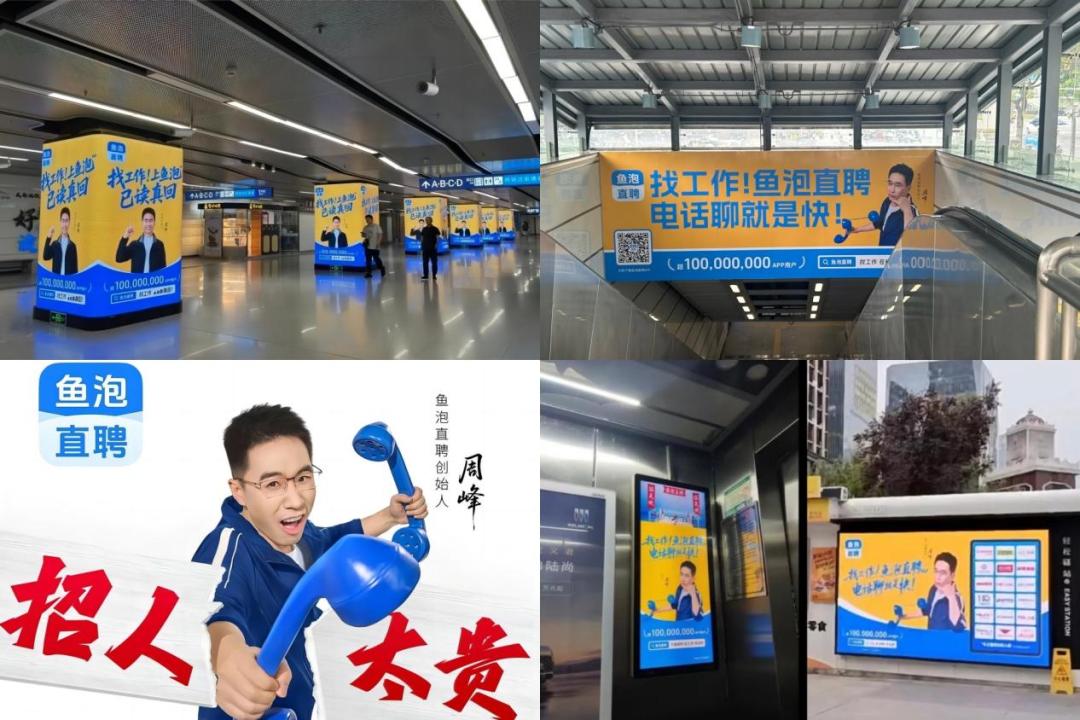
蓝领喜爱的鱼泡,白领生意也行?
3 6 Ke· 2025-09-04 01:25
Core Insights - The article discusses the strategic shift of Yupa Direct Recruitment, which has traditionally focused on blue-collar workers, to enter the white-collar job market, highlighting the challenges and competition it faces in this new arena [3][9][20]. Group 1: Company Background - Yupa Direct Recruitment was founded by Zhou Feng in 2017, initially targeting blue-collar workers in China, addressing the difficulties they face in finding jobs [5][6]. - The platform has grown significantly, with over 1 billion app users and a leading position in the blue-collar recruitment market, holding a 27% market share [3][10]. Group 2: Market Dynamics - The blue-collar recruitment market is characterized by a high demand for speed and locality, with a significant portion of the workforce relying on traditional methods for job searching [6][10]. - In contrast, the white-collar recruitment market is more competitive, with established players like BOSS Zhipin, Zhilian Recruitment, and 51Job dominating the space [12][14]. Group 3: Strategic Challenges - Yupa's transition to the white-collar market faces hurdles, including brand recognition issues and the need to build trust among white-collar job seekers who have established preferences for other platforms [15][19]. - The company's current strategy of aggressive marketing has not been matched by operational improvements, leading to user complaints about job quality and platform functionality [21][20]. Group 4: Financial Performance - Yupa's revenue for 2024 is projected to exceed 1 billion yuan, indicating a significant growth trajectory, but the company must navigate the challenges of profitability in the white-collar sector, where customer acquisition costs are high [7][27]. - The average revenue per user (ARPU) in the blue-collar market is significantly lower than in the white-collar market, which poses a challenge for Yupa's long-term financial sustainability [11][27]. Group 5: Future Outlook - Yupa aims to capture a larger share of the white-collar market to achieve a valuation of 20-30 billion yuan, but it must overcome the inherent differences in user expectations and recruitment processes between blue-collar and white-collar sectors [9][28]. - The company needs to enhance its matching system and build a more reliable recruitment ecosystem to attract and retain white-collar users effectively [28].

2024年中国网络招聘行业研究报告
艾瑞咨询· 2025-06-14 08:52
Core Insights - The core viewpoint of the article is that the online recruitment industry in China is evolving with a stable market share of around 70% for online recruitment channels, driven by advancements in matching algorithms and AI applications, leading to a projected market size of 18.3 billion in 2024 with a growth rate of 1.6% [1][17]. Development Status - Online recruitment accounts for approximately 70% of recruitment channels, benefiting from the efficiency of internet information dissemination and the evolution of recruitment models from job information directories to algorithmic matching [1][3]. - The market size of China's online recruitment industry is expected to reach 18.3 billion in 2024, with a year-on-year growth rate of 1.6% [1][17]. - The application of AI in recruitment platforms is anticipated to enhance value for businesses, contributing to a recovery in recruitment demand and a projected growth rate of 6.7% from 2025 to 2027 [1][17]. Supply and Demand Analysis - Over 60% of companies are reducing recruitment volumes due to operational pressures [2][42]. - The unemployment rate among young graduates (ages 16-24) is notably high during graduation seasons, while employment stabilizes around age 30 [2][45]. - The white-collar workforce shows a decreasing trend in voluntary resignation rates, indicating a preference for job security [2][47]. Development Trends - The application of AI models is expected to significantly enhance platform value, improving automation and precision in job matching, thus creating stronger competitive barriers for online recruitment platforms [2][15][75]. - Social media platforms are emerging as supplementary recruitment channels, although their operational models may limit their effectiveness in recruitment [2][77]. Market Size and Growth - The online recruitment industry is projected to reach a market size of 18.3 billion in 2024, with a recovery in growth rates expected due to improved economic conditions and AI applications [1][17]. - Monthly unique device numbers for recruitment apps are expected to exceed 85 million, with peaks during key recruitment seasons [20][30]. User Demographics - The user base of online recruitment platforms is becoming increasingly younger, with over 50.9% of users under 30 years old [27]. - The trend of younger blue-collar job seekers is rising, which is expected to enhance the penetration of online job searching among this demographic [60][61]. Recruitment Behavior - Job-seeking behaviors among university students are shifting earlier, with many starting to prepare resumes and seek internships as early as their first or second year [2][57]. - The competition for jobs is intensifying, leading to more pragmatic employment choices among graduates, who are increasingly focused on securing any job rather than ideal positions [2][51]. Blue-Collar Recruitment - The demand for blue-collar positions is on the rise, with a significant increase in job postings, particularly in logistics and skilled labor [60][61]. - The online recruitment landscape for blue-collar jobs is diversifying, with various platforms focusing on different aspects of the recruitment process [63][65].


2024年中国网络招聘行业研究报告
艾瑞咨询· 2025-05-31 01:51
Core Insights - The online recruitment industry in China is projected to reach a market size of 18.3 billion in 2024, with a year-on-year growth rate of 1.6%. The growth is expected to accelerate to an average of 6.7% from 2025 to 2027 due to the recovery of corporate hiring demand and the value brought by AI applications in recruitment platforms [1][17]. Development Status - Online recruitment accounts for approximately 70% of total recruitment channels, benefiting from the efficiency of internet information dissemination and the evolution of recruitment models from job information directories to algorithmic matching [1][3]. - The recruitment landscape is evolving, with new media recruitment accounting for 7.5% in 2024, surpassing traditional talent markets and offline recruitment channels [4]. Supply and Demand Analysis - Over 60% of companies are reducing hiring volumes in 2024 due to operational pressures [42]. - The unemployment rate among graduates aged 16-24 is notably high, while employment stabilizes around the age of 30 [45]. - The white-collar workforce shows a decreasing trend in voluntary resignation rates, indicating a preference for job security [47]. Development Trends - The application of AI models is expected to enhance platform value by improving automation and precision in job matching, creating stronger competitive barriers for recruitment platforms [15][75]. - Social media platforms are emerging as supplementary recruitment channels, although their operational models may limit their effectiveness in recruitment [77]. Market Size and Growth - The online recruitment market is expected to grow to 18.3 billion in 2024, with a recovery in hiring demand and AI applications driving growth to an average of 6.7% from 2025 to 2027 [17]. Mobile Traffic Insights - Monthly unique device numbers for recruitment apps are projected to exceed 85 million, with peaks during the recruitment seasons [20]. - The user demographic is skewing younger, with over 50.9% of users under 30 years old [27]. Recruitment Behavior - Graduates are increasingly using recruitment apps and company websites to submit resumes, indicating a shift in preferred application channels [53]. - The job search cycle for students is extending, with job preparation activities starting as early as their first year of college [57]. Blue-Collar Recruitment - The demand for blue-collar jobs is rising, with a significant increase in job postings, particularly in logistics and skilled labor [61]. - The blue-collar job-seeking demographic is becoming younger, which is expected to enhance online job search penetration [60].