网贷

Search documents
中国网贷公司进军印度,怎么全军覆没了?
商业洞察· 2025-12-30 09:23
Core Viewpoint - Chinese online lending companies have faced significant failures in India, contrary to their profitable operations in China, leading to a complete loss of investment in the Indian market [2][3][10]. Group 1: Profitability in China - Online lending is a highly profitable industry in China, with companies like Qifu Technology reporting net profits of 2.7 billion in 2021, 4.4 billion in 2022, and projected 6.264 billion in 2024 [2]. - Other platforms such as Baidu's Du Xiaoman are also profitable, with a projected net profit of 859 million in 2024 [2]. Group 2: Challenges in India - Chinese online lending companies initially viewed India as a lucrative market, expecting to profit from lending and collecting interest [6]. - However, they encountered insurmountable challenges, leading to a total loss of investment [6][10]. Group 3: Collection Difficulties - Effective debt collection is crucial for profitability in online lending. In China, aggressive collection methods, despite being controversial, yield results [6]. - In India, these methods fail due to language barriers, lack of a credit system, and cultural differences, making it difficult to enforce repayment [7][9]. Group 4: High Default Rates - The bad debt rate for Chinese online lending companies in India has soared to 80%, meaning only 20 out of every 100 units lent are recovered [9]. - This high default rate, combined with operational costs, results in significant financial losses for these companies [9][10]. Group 5: Regulatory Environment - New regulations from the Reserve Bank of India require online lending companies to limit interest rates and increase transparency, further complicating profitability for Chinese firms [11]. - The lack of a high-credit society in India makes it nearly impossible for these companies to operate profitably, leading to widespread closures [11].



网贷,仍在围猎大学生
Hu Xiu· 2025-06-08 22:32
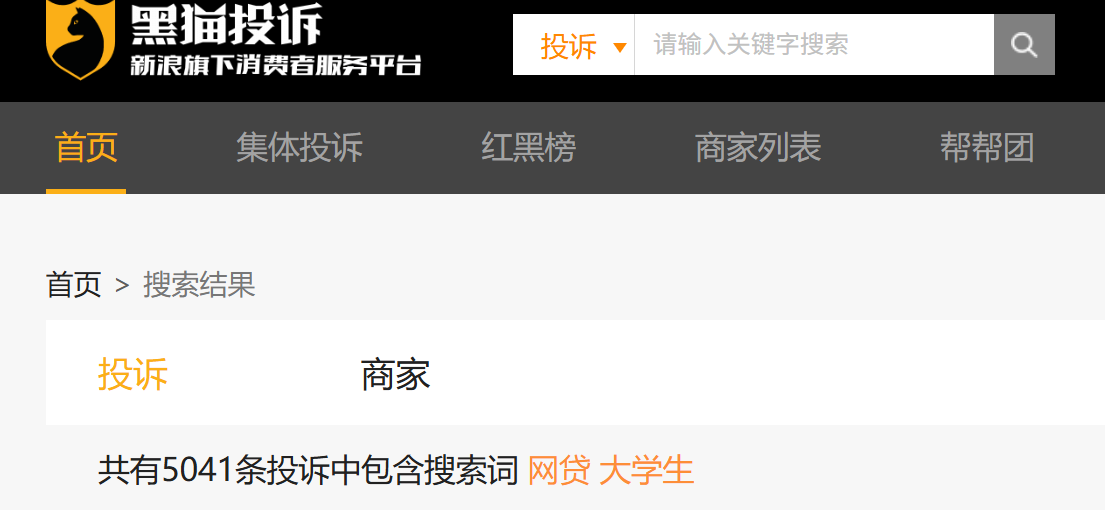
Core Viewpoint - The article highlights the alarming rise of online lending among university students, leading to severe financial and psychological consequences, despite regulatory efforts to curb such practices [1][5][6]. Group 1: Online Lending Issues - A significant number of university students are falling into debt traps due to online lending, with reports indicating over 5000 cases of students seeking redress for loan issues [1][5]. - The average annual interest rates for online loans can range from 15% to 36%, often obscured by various fees, leading to a much higher effective cost for borrowers [11][12]. - Many students are unaware of the true costs associated with these loans, as platforms often use misleading marketing tactics to attract borrowers [9][11]. Group 2: Regulatory Challenges - Despite multiple regulatory attempts since 2016 to ban online loans to students, the industry has adapted, continuing to operate under different guises [5][23]. - The lack of a centralized regulatory body and clear definitions around key concepts like "excessive borrowing" allows online lending platforms to exploit loopholes [23][24]. - Platforms often bypass regulations by not actively verifying student status, allowing them to lend indiscriminately to young borrowers [24]. Group 3: Psychological and Social Impact - The psychological toll on students is significant, with many experiencing severe anxiety and depression due to unmanageable debt [1][5]. - The financial burden often extends to families, as students may rely on parental support to repay loans, creating a cycle of financial strain [20][21]. - The article emphasizes that university students, despite being legally adults, lack the financial literacy and experience to navigate these lending traps effectively [16][20].