度小满

Search documents
小额贷款平台哪个靠谱?看看这四家哪个适合你?
Sou Hu Wang· 2026-02-20 08:05
Group 1 - The article discusses the increasing popularity of online microloans as a solution for individuals needing quick financial assistance, highlighting the importance of choosing reliable platforms [1] - Four microloan products are introduced, emphasizing the need for careful comparison and judgment when selecting a platform [4] Group 2 - WeBank's WeLiDai offers loan amounts ranging from 500 yuan to 200,000 yuan, with an annual interest rate of 3.06%-23.76% and flexible repayment options [2] - Ant Group's Ant Borrow provides a maximum loan amount of 300,000 yuan, with an annual interest rate of 3.6%-24% and no hidden fees [3] - JD Finance's JD Gold Bar and Du Xiaoman also offer competitive loan amounts and interest rates, with varying repayment terms [5]
中国网贷公司进军印度,怎么全军覆没了?
商业洞察· 2025-12-30 09:23
Core Viewpoint - Chinese online lending companies have faced significant failures in India, contrary to their profitable operations in China, leading to a complete loss of investment in the Indian market [2][3][10]. Group 1: Profitability in China - Online lending is a highly profitable industry in China, with companies like Qifu Technology reporting net profits of 2.7 billion in 2021, 4.4 billion in 2022, and projected 6.264 billion in 2024 [2]. - Other platforms such as Baidu's Du Xiaoman are also profitable, with a projected net profit of 859 million in 2024 [2]. Group 2: Challenges in India - Chinese online lending companies initially viewed India as a lucrative market, expecting to profit from lending and collecting interest [6]. - However, they encountered insurmountable challenges, leading to a total loss of investment [6][10]. Group 3: Collection Difficulties - Effective debt collection is crucial for profitability in online lending. In China, aggressive collection methods, despite being controversial, yield results [6]. - In India, these methods fail due to language barriers, lack of a credit system, and cultural differences, making it difficult to enforce repayment [7][9]. Group 4: High Default Rates - The bad debt rate for Chinese online lending companies in India has soared to 80%, meaning only 20 out of every 100 units lent are recovered [9]. - This high default rate, combined with operational costs, results in significant financial losses for these companies [9][10]. Group 5: Regulatory Environment - New regulations from the Reserve Bank of India require online lending companies to limit interest rates and increase transparency, further complicating profitability for Chinese firms [11]. - The lack of a high-credit society in India makes it nearly impossible for these companies to operate profitably, leading to widespread closures [11].



助贷平台跟进消费贷提额至30万元
Bei Jing Shang Bao· 2025-04-21 16:20
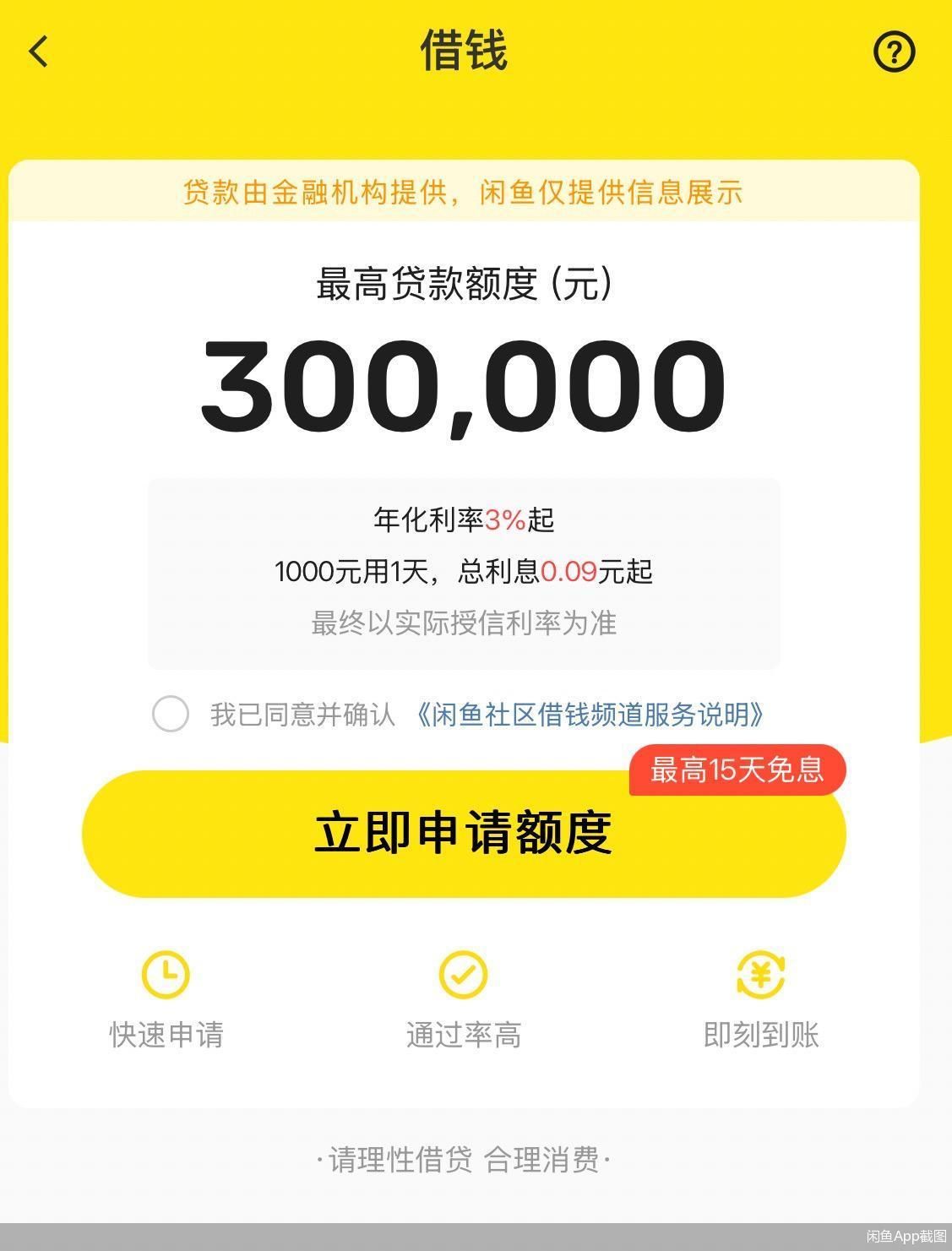
Core Viewpoint - The consumer finance market is undergoing structural adjustments driven by policy changes, with the upper limit for personal internet consumer loans raised from 200,000 yuan to 300,000 yuan, prompting banks and lending platforms to increase their loan limits accordingly [1][2]. Group 1: Loan Limit Adjustments - Major platforms such as Ele.me and Xianyu have raised their maximum personal loan limits to 300,000 yuan, with annual interest rates starting from 3% [1][2]. - Other lending products like JD Finance and Du Xiaoman have also increased their loan limits to 300,000 yuan on third-party channels, although some self-operated products still maintain a limit of 200,000 yuan [2][3]. - The increase in loan limits is seen as a way to stimulate consumer spending, but it also presents new challenges in risk management for financial institutions [1][3]. Group 2: Differentiation Among Platforms - There is a noticeable "cross-platform differentiation" in loan limits, where some platforms offer higher limits for certain products while others do not, reflecting the varying risk assessment standards and funding sources among different financial institutions [2][4]. - Platforms primarily act as marketing channels for licensed financial institutions, showcasing their loan products and limits, which can lead to discrepancies in the actual loan amounts available to consumers [3][4]. Group 3: Future Outlook - Although many platforms are currently taking a wait-and-see approach, there is an expectation that more platforms will follow suit in raising their loan limits in the near future [5].
从20万到30万,助贷平台跟上,意义有多大
Bei Jing Shang Bao· 2025-04-21 13:45
Core Insights - The consumer finance market is undergoing structural adjustments driven by policy changes, specifically the increase of personal internet consumer loan limits from 200,000 yuan to 300,000 yuan [1] - Various banks and lending platforms have responded by raising their loan limits, with notable platforms like Ele.me and Xianyu increasing their maximum loan amounts to 300,000 yuan [2][5] - The increase in loan limits aims to stimulate consumer spending but also presents new risk management challenges for financial institutions [1][11] Group 1: Loan Limit Adjustments - Multiple lending platforms have adjusted their maximum loan limits to 300,000 yuan, with annual interest rates starting at 3% [2][7] - Xianyu and Ele.me have both raised their loan limits, although some third-party products still reflect the previous limit of 200,000 yuan [5][7] - The adjustments are seen as a marketing strategy to attract users and enhance loan volume, with banks responding to policy changes to increase their lending capacity [9][10] Group 2: Risk Management and Operational Challenges - The increase in loan limits is not a panacea for growth, as it introduces higher credit risk exposure, necessitating robust risk management frameworks [11][12] - Analysts suggest that while higher limits can lead to increased revenue from interest and fees, they also heighten the risk of defaults and necessitate more stringent credit assessments [11][12] - The differentiation in loan limits across platforms is attributed to varying funding sources and risk assessment standards among financial institutions [10] Group 3: Future Trends and Recommendations - The industry is expected to see more platforms follow suit in raising loan limits, driven by competitive pressures and favorable policy environments [13][14] - Companies are advised to enhance their risk management capabilities and utilize technology for better credit evaluation and monitoring [13][14] - There is a call for platforms to focus on refined operations and differentiated product offerings to meet diverse customer needs while adhering to regulatory frameworks [14]