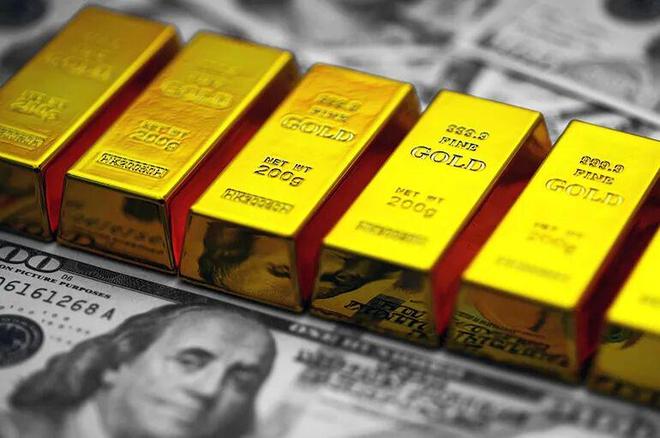
美元与实际利率

Search documents
SLV’s $38 Billion Couldn’t Stop the 7% Fed Triggered Meltdown
Yahoo Finance· 2026-02-08 17:03
Core Viewpoint - iShares Silver Trust (SLV) experienced a nearly 7% drop after a significant 139% gain over the previous year, indicating a potential shift in market sentiment towards silver and precious metals [2][6] Group 1: Market Sentiment and Trading Behavior - The recent decline in SLV has been influenced by a bearish sentiment on Reddit, particularly among traders on r/wallstreetbets, who are celebrating profitable put positions while sharing loss screenshots [2] - A viral post on Reddit highlighted the negative sentiment, suggesting that the rally in precious metals may have ended, garnering over 4,800 upvotes [2] Group 2: Macro Economic Factors - The relationship between the U.S. dollar and real interest rates is a significant headwind for silver, as a stronger dollar or rising Treasury yields make non-yielding assets like silver less attractive [3] - The 10-year Treasury yield was reported at 4.21%, which is high enough to exert pressure on precious metals [3] Group 3: Federal Reserve Policy Impact - The nomination of Kevin Warsh for Fed chair has catalyzed the selloff in SLV by signaling a continuation of policies that favor a stronger dollar [4][6] - Any potential shift towards rate cuts or dollar weakness could support silver prices, while a hawkish stance from the Fed would likely strengthen the dollar and negatively impact prices [4] Group 4: Physical Market Dynamics - Despite the price drop in SLV, the physical silver market remained in backwardation, indicating strong demand for immediate delivery as spot prices exceeded futures prices [5] - The aggressive selling in futures markets, coupled with significant ETF outflows, added additional selling pressure beyond fundamental factors [5]
复盘贵金属巨震
Di Yi Cai Jing Zi Xun· 2026-02-03 00:56
Core Viewpoint - The precious metals market experienced significant volatility following a panic sell-off, with silver showing over 8% fluctuation and platinum and palladium futures rebounding nearly 10% from early lows. Analysts are divided on the market outlook, with many believing the current downturn is temporary, but cautioning that bottom-fishing may require patience [2][3]. Group 1: Market Performance - After a drop of over 5%, COMEX futures for February delivery recovered to $4,700, following an 11% plunge last Friday, marking the worst single-day performance since 1980. Gold futures hit a high of $5,626.80 per ounce but have since fallen 17% from that peak [3]. - UBS commodity analyst Giovanni Staunovo predicts gold prices will exceed $6,200 per ounce later this year, while JPMorgan forecasts a year-end price of $6,300 per ounce. Deutsche Bank maintains a $6,000 per ounce prediction based on sustained investor demand [3][5]. Group 2: Market Dynamics - The sell-off was exacerbated by the appointment of Jerome Powell as the next Federal Reserve Chair, which led to a rebound in the dollar index, increasing the cost of precious metals and triggering initial sell-offs. The crowded trades in gold and silver, particularly silver, led to a significant number of investors simultaneously exiting positions, amplifying the decline due to liquidity issues [3][4]. - Analysts warn that the current high volatility may persist, with risks of further sell-offs remaining elevated due to the extreme concentration of positions in the market [4]. Group 3: Liquidity Concerns - The recent sell-off resulted in an evaporation of $8 trillion in market value for gold and silver, highlighting the liquidity risks when large amounts of capital attempt to exit the same asset class simultaneously. This situation has raised questions about the perceived safety of these assets [6][7]. - The market's response to the sell-off indicates that liquidity, rather than fundamental value, drives asset prices during periods of stress. The assumption that holding quality assets guarantees safety is being challenged [7][8]. Group 4: Future Outlook - The true "safe signal" for the market will not be a price rebound but a decrease in volatility. Without a reduction in volatility, liquidity will remain fragile, and while physical buying may slow price declines, it cannot prevent significant fluctuations caused by forced repositioning [8].