
美台贸易

Search documents
签了!5年内,台湾要采购美国3万亿,赖丧事喜办,大陆耐心快耗尽
Sou Hu Cai Jing· 2026-02-13 05:21
Core Viewpoint - The signing of the US-Taiwan trade agreement is seen as Taiwan's significant concession to the US, with Taiwan committing to purchase NT$3 trillion worth of American goods over five years, which raises concerns about Taiwan's autonomy and economic future [5][7][11]. Group 1: Trade Agreement Details - The US-Taiwan trade agreement was signed on February 13, with US goods exported to Taiwan enjoying zero tariffs, while Taiwanese goods exported to the US face a 15% tariff [5]. - Taiwan is required to procure NT$3 trillion (approximately US$100 billion) worth of American goods, including oil, natural gas, electrical equipment, and civil aviation engines, from 2025 to 2029 [5][8]. - The agreement is perceived as a "sellout" by Taiwan's leadership, with critics arguing it undermines Taiwan's economic independence and development [5][7]. Group 2: Military and Investment Commitments - Taiwan has agreed to invest US$250 billion in US semiconductor industries and provide a credit guarantee of the same amount, which adds financial strain on Taiwan's economy [3][8]. - The US Congress approved US$11.1 billion in military sales to Taiwan, with payment due by March 2026, raising concerns about Taiwan's defense budget and military commitments [8][10]. - There are indications that Taiwan may enter into larger military sales contracts with the US, further entrenching its military dependence on the US [10][14]. Group 3: Political Implications - The trade agreement and military commitments have led to criticism of Taiwan's leadership, with accusations of compromising Taiwan's sovereignty and economic stability for US support [7][11]. - The Chinese mainland has expressed diminishing patience with Taiwan's leadership, warning that continued provocations could lead to a loss of autonomy for Taiwan [11][16]. - The situation is framed as a critical juncture for Taiwan, with potential consequences for cross-strait relations and Taiwan's future [18].

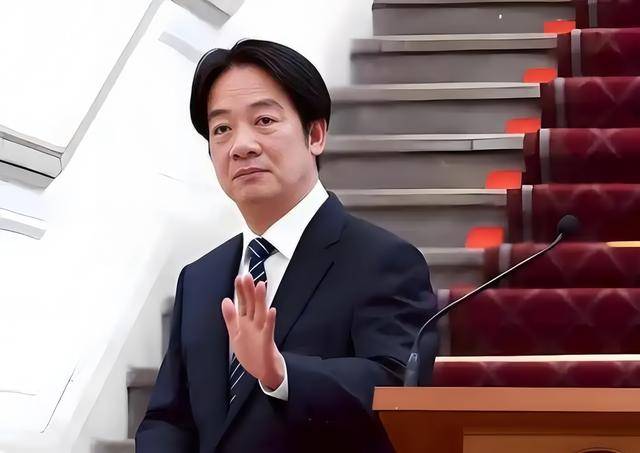
国台办:所谓“供应链合作”只会逼得台湾自断筋骨
Yang Shi Xin Wen· 2026-01-21 02:28
Core Viewpoint - The spokesperson from the Taiwan Affairs Office criticized the U.S. approach towards Taiwan, suggesting that the U.S. prioritizes its own interests and uses tariffs to exploit Taiwan, rather than fostering genuine trade partnerships [1] Group 1: U.S.-Taiwan Relations - The meeting between Lai Ching-te and the Arizona delegation highlighted that the U.S. has become Taiwan's largest source of foreign direct investment in recent years [1] - There is an expressed desire for both sides to sign a tariff agreement to support companies like TSMC in establishing a long-term presence in the U.S. and creating high-paying jobs locally [1] Group 2: Criticism of U.S. Intentions - The spokesperson emphasized that U.S.-Taiwan trade and supply chain cooperation is perceived as detrimental to Taiwan, suggesting it would lead to Taiwan's economic decline [1] - The spokesperson characterized Taiwan's value to the U.S. as being primarily as a tool for countering China, a source of revenue for the military-industrial complex, and a means for manufacturing repatriation [1]
