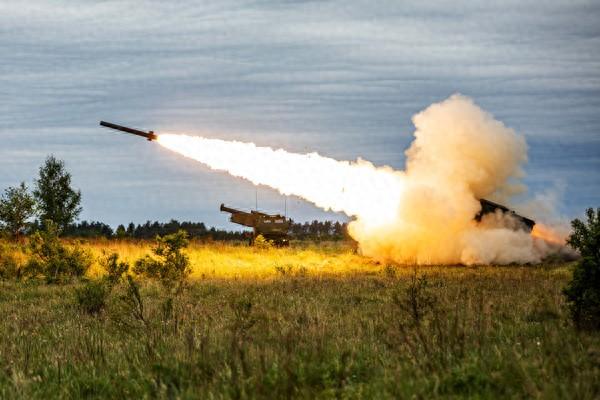
对台军售

Search documents
特朗普访华泡汤?今年必须做个了断,中方红线已划,美国听懂信号
Sou Hu Cai Jing· 2026-02-23 11:44
Core Viewpoint - The upcoming visit of President Trump to China is marked by significant geopolitical tensions, particularly regarding military sales to Taiwan and trade negotiations with China, amidst a backdrop of legal challenges to his tariff policies [2][4][6]. Group 1: Military Sales and Negotiation Tactics - Trump is using the potential $20 billion military sales to Taiwan as a bargaining chip in negotiations with China, having temporarily shelved the plan to avoid upsetting the dialogue atmosphere [10][14]. - The U.S. has a backlog of military sales to Taiwan valued between $21.5 billion and $32 billion, with delays in delivery schedules for key equipment like the F-16V fighter jets [18][20]. - Trump's approach indicates a shift from traditional U.S. policy, which historically did not involve negotiations with China over military sales to Taiwan, raising concerns in Taiwan about being used as a bargaining tool [16][18]. Group 2: Economic Implications and Legal Challenges - The U.S. Supreme Court's ruling against Trump's global tariff policy, which generated approximately $175 billion in revenue, complicates his economic narrative and creates potential legal challenges regarding refunds and litigation [8][12]. - The timing of the visit coincides with midterm elections, increasing pressure on Trump to divert attention from domestic issues by creating significant international news [8][10]. Group 3: Military Tensions and Strategic Responses - Concurrently, U.S. military activities in the Yellow Sea, including training exercises near China's air defense identification zone, have heightened tensions, indicating a disconnect between Trump's diplomatic intentions and military actions [23][27]. - China has responded by enhancing its military readiness and reducing its holdings of U.S. Treasury bonds to signal its stance on sovereignty and security issues, emphasizing that while it is open to dialogue, it will not compromise on core interests [27][29].

签了!5年内,台湾要采购美国3万亿,赖丧事喜办,大陆耐心快耗尽
Sou Hu Cai Jing· 2026-02-13 05:21
Core Viewpoint - The signing of the US-Taiwan trade agreement is seen as Taiwan's significant concession to the US, with Taiwan committing to purchase NT$3 trillion worth of American goods over five years, which raises concerns about Taiwan's autonomy and economic future [5][7][11]. Group 1: Trade Agreement Details - The US-Taiwan trade agreement was signed on February 13, with US goods exported to Taiwan enjoying zero tariffs, while Taiwanese goods exported to the US face a 15% tariff [5]. - Taiwan is required to procure NT$3 trillion (approximately US$100 billion) worth of American goods, including oil, natural gas, electrical equipment, and civil aviation engines, from 2025 to 2029 [5][8]. - The agreement is perceived as a "sellout" by Taiwan's leadership, with critics arguing it undermines Taiwan's economic independence and development [5][7]. Group 2: Military and Investment Commitments - Taiwan has agreed to invest US$250 billion in US semiconductor industries and provide a credit guarantee of the same amount, which adds financial strain on Taiwan's economy [3][8]. - The US Congress approved US$11.1 billion in military sales to Taiwan, with payment due by March 2026, raising concerns about Taiwan's defense budget and military commitments [8][10]. - There are indications that Taiwan may enter into larger military sales contracts with the US, further entrenching its military dependence on the US [10][14]. Group 3: Political Implications - The trade agreement and military commitments have led to criticism of Taiwan's leadership, with accusations of compromising Taiwan's sovereignty and economic stability for US support [7][11]. - The Chinese mainland has expressed diminishing patience with Taiwan's leadership, warning that continued provocations could lead to a loss of autonomy for Taiwan [11][16]. - The situation is framed as a critical juncture for Taiwan, with potential consequences for cross-strait relations and Taiwan's future [18].
赖清德挟“三军司令”勒索军购,岛内舆论:黔驴技穷
Xin Lang Cai Jing· 2026-02-12 01:01
Group 1 - Taiwan's leader Lai Ching-te urged the opposition to quickly pass a military budget of 1.25 trillion New Taiwan Dollars (NTD), warning that delays could jeopardize Taiwan's defense capabilities and its standing with the U.S. [1] - Lai highlighted the urgency of military procurement, citing past failures in securing defense budgets and the increasing external threats faced by Taiwan [1][2] - The defense budget, if approved, is projected to generate an estimated 400 billion NTD in economic output and create approximately 90,000 job opportunities [1] Group 2 - The Kuomintang (KMT) expressed skepticism about the military budget, emphasizing that support for defense should not equate to uncritical spending [2] - The Taiwan People's Party (TPP) agreed to review the military procurement bill but criticized the government for seeking a budget significantly higher than the actual cost of military equipment [2] - Concerns were raised regarding the effectiveness and timely delivery of the military equipment being purchased, questioning whether the proposed spending would truly enhance Taiwan's defense capabilities [3]
美财长一句话摊牌,中美划时代变化就在眼前,马斯克做出神预测!
Sou Hu Cai Jing· 2026-02-11 10:45
Group 1 - The recent victory of Japan's ruling coalition in the House of Representatives elections has elevated the political stature of Kishi Sanae, indicating a potential shift in the geopolitical landscape, particularly in U.S.-China relations [1][3][5] - U.S. Treasury Secretary Besant's remarks suggest that Japan's strengthened position may provide the U.S. with renewed opportunities to engage in competition with China, highlighting Japan's potential role as a key player in this geopolitical rivalry [5][9] - The upcoming military sales plan to Taiwan, potentially worth $20 billion, could significantly impact the Taiwan Strait situation and challenge China's bottom line, indicating the complexities of U.S.-China relations [7] Group 2 - Elon Musk's predictions regarding U.S.-China technological competition emphasize that by 2026, China's power generation capacity may reach three times that of the U.S., underscoring the importance of technological innovation for national economic strength [9][10] - Musk warns that without breakthroughs in technology, particularly in AI, humanoid robots, and electric vehicles, the U.S. risks falling behind China, highlighting vulnerabilities in U.S. strategic resources like rare earth elements [10][12] - The attitudes of Europe, Russia, and India towards U.S.-China relations are crucial, with European leaders expressing support for Japan's new leadership, while India's Prime Minister Modi acknowledges Kishi Sanae's potential contributions to regional stability [13][15]

长荣这次踢到铁板,5 国声援统一,美国敢运海马斯我们就笑纳
Sou Hu Cai Jing· 2026-01-01 14:25
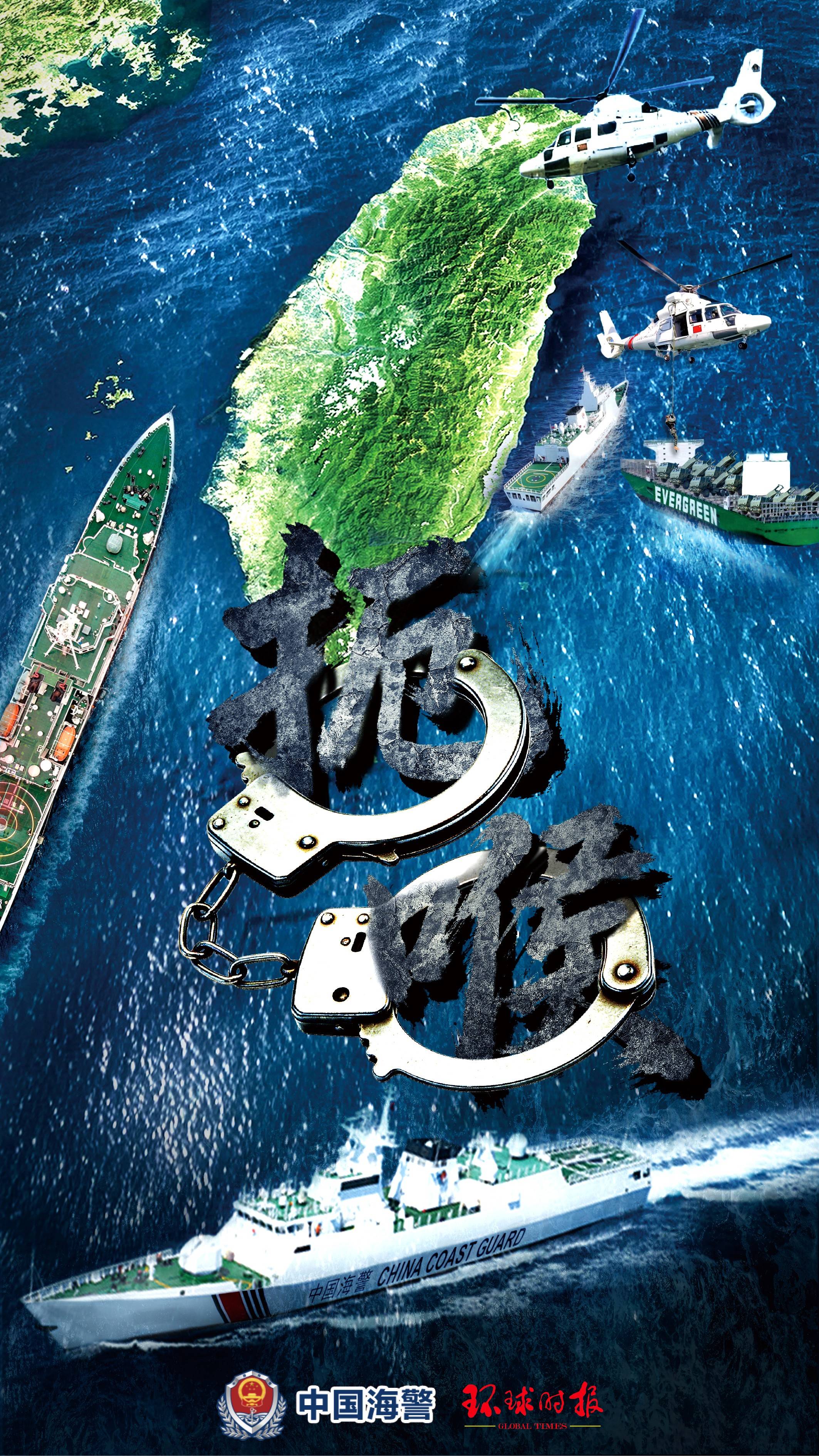
Core Viewpoint - The release of a poster titled "Chokehold" by the Chinese Coast Guard, depicting the boarding of a cargo ship by law enforcement, has sparked significant public and international reaction, particularly due to the ship being identified as Evergreen Marine, which is associated with transporting U.S. military equipment [1][5]. Group 1: Evergreen Marine's Controversies - Evergreen Marine is a globally recognized shipping company, ranking among the top ten in fleet size, with operations across five continents and an annual cargo volume in the hundreds of millions of tons [10]. - The company has faced public backlash for its actions, including a scandal during the 2024 Paris Olympics where a hotel under its management refused to display the Chinese national flag, leading to accusations of disrespect towards China [10]. - A significant portion of Evergreen's profits comes from the mainland Chinese market, with reports indicating that over half of its net profit of 200 billion New Taiwan dollars in 2021 was derived from routes serving mainland China [10]. Group 2: Military Transport Allegations - Evergreen Marine has been implicated in transporting U.S. military arms, including a shipment of M1A2T main battle tanks valued at over 1.2 billion USD, marking the first delivery of new tanks to Taiwan in 30 years [11][19]. - The company has been criticized for accepting military transport contracts under the guise of civilian logistics, raising questions about its operational integrity and loyalty [11][19]. - Reports indicate that the company faced operational challenges, such as being denied entry to Tianjin Port due to missing national flags and documentation, resulting in financial losses exceeding 10 million RMB [13]. Group 3: Implications of U.S. Military Sales - The U.S. government approved a military sales package to Taiwan worth over 11.1 billion USD, which includes offensive weaponry such as M142 HIMARS systems and M109A7 self-propelled howitzers [19][20]. - The logistics of transporting such heavy military equipment pose significant challenges, with maritime transport being the most feasible option, raising concerns about how these shipments will be conducted without attracting international scrutiny [20]. - The Chinese Coast Guard's actions are seen as a strategic move to prevent these military supplies from reaching Taiwan, serving as a warning to companies involved in military logistics [25]. Group 4: Future Outlook for Evergreen Marine - Evergreen Marine's reliance on the mainland Chinese market is critical, as losing access could halve its profits, given that its operations are heavily dependent on routes and ports in mainland China [26]. - The company's choices in engaging with military logistics may lead to severe repercussions, as it navigates the complex intersection of business interests and geopolitical tensions [26].
坚决粉碎任何“台独”分裂图谋和外来干涉
Xin Hua She· 2025-12-29 09:48
Core Viewpoint - The article emphasizes the Chinese military's exercises as a necessary action to safeguard national sovereignty and unity against "Taiwan independence" forces and external interference [1][5]. Military Exercises - The People's Liberation Army (PLA) Eastern Theater Command conducted joint exercises starting December 29, 2023, involving various military branches around Taiwan, signaling a strong warning against separatist actions [1]. Taiwan's Defense Spending - The Taiwanese government plans to increase its defense budget to 5% of GDP by 2030, with a commitment to spend approximately 1.25 trillion New Taiwan Dollars (NTD) on military purchases from the U.S. over the next eight years [2]. - The defense budget for 2026 is projected to reach 949.5 billion NTD, accounting for about 3.32% of Taiwan's GDP, reflecting a significant increase compared to previous years [3]. U.S. Military Sales to Taiwan - The U.S. Department of Defense announced a military sales package to Taiwan valued at approximately 11 billion USD, which has been met with criticism from various sectors within Taiwan [2]. - The article highlights that Taiwan has become the largest buyer of U.S. weapons from 2020 to 2022, indicating a growing dependency on U.S. military support [3]. Public Sentiment and Political Response - There is significant public opposition in Taiwan against the government's military spending and alignment with U.S. interests, with over 8 million citizens supporting a motion to impeach the current leadership [2]. - The article suggests that the current administration's actions are perceived as detrimental to Taiwan's future and well-being, pushing the populace towards conflict rather than peace [4]. Risks of Military Dependency - The article warns that reliance on U.S. military sales may create a false sense of security for Taiwan, as many contracts remain unfulfilled, leading to potential vulnerabilities in the event of conflict [4]. - It argues that the current trajectory of military spending and alignment with the U.S. could exacerbate tensions in the Taiwan Strait, endangering the lives of Taiwanese citizens [4]. Call for Unity and Peace - The article urges the Taiwanese populace to recognize the dangers of the current administration's policies and to advocate for peaceful development and cooperation across the Taiwan Strait [5].
张思南:中方反制20家美军火商,打破“台湾牌”的“窗口期赌局”
Xin Lang Cai Jing· 2025-12-27 15:38
Core Viewpoint - The recent arms sale to Taiwan, amounting to a record $11.1 billion, signals a strategic shift in U.S. policy towards Taiwan, emphasizing systematic militarization rather than merely managing risks in the Taiwan Strait [11] Group 1: U.S. Arms Sale and Strategic Implications - The timing of the arms sale coincides with a perceived stable period in U.S.-China relations, allowing the U.S. to leverage the "Taiwan card" for geopolitical advantage without immediate confrontation [3] - The arms sale represents a structural shift in U.S. strategy, moving from a focus on maintaining balance in the Taiwan Strait to using arms sales as a strategic deterrent against China [12] - The nature of the arms being sold has transitioned from defensive and symbolic weapons to a focus on asymmetric warfare capabilities, including mobile and cost-effective systems designed to increase China's strategic costs [13] Group 2: China's Response and Countermeasures - In response to the arms sale, China has initiated systematic and escalated countermeasures against 20 U.S. defense companies and 10 executives involved in the arms sale, indicating a comprehensive approach to counter U.S. military support for Taiwan [5] - China's countermeasures target the underlying industrial and technological networks that support U.S. arms sales to Taiwan, signaling a shift towards institutional dismantling of these networks [7] - The ongoing U.S. arms sales and China's responses have evolved into a strategic game of rules and endurance, with China clearly delineating that the Taiwan issue is a non-negotiable red line [9]
中方反制美20家军工企业
Xin Lang Cai Jing· 2025-12-27 02:13
Group 1 - The Chinese government has announced countermeasures against 20 U.S. military-related companies and 10 senior executives in response to the U.S. selling weapons to Taiwan, emphasizing that Taiwan is a core interest of China and any provocation will be met with strong retaliation [1][2] - The U.S. recently announced a significant arms sale to Taiwan valued at $11.1 billion, which includes $4 billion for 82 units of the HIMARS rocket systems and $4 billion for 60 self-propelled howitzers, marking the largest arms sale to Taiwan by the U.S. [2] - Companies affected by the sanctions include Northrop Grumman, known for developing stealth bombers and advanced missile systems, and Boeing's St. Louis division, which produces F-15 fighter jets and other military equipment [2][3] Group 2 - L3 Harris Maritime Services, another company under sanctions, provides technical services and logistics support to the U.S. Navy, including underwater combat systems and maritime engineering [3] - The sanctions involve freezing assets within China and prohibiting transactions with the listed companies and individuals, as well as denying visas and entry to the affected executives [1][2]


中方反制美国20家军工企业及10名高管,敦促美方停止破坏台海和平稳定
Xin Lang Cai Jing· 2025-12-26 23:06
Group 1 - The Chinese government has announced countermeasures against 20 U.S. military-related companies and 10 senior executives in response to the U.S. decision to sell weapons to Taiwan [1][2] - The U.S. arms sale to Taiwan is valued at $11.1 billion, including $4 billion for 82 units of the HIMARS rocket system and $4 billion for 60 self-propelled howitzers, marking the largest arms sale to Taiwan by the U.S. [2] - Companies affected by the sanctions include Northrop Grumman, known for developing stealth bombers and advanced missile systems, and Boeing's St. Louis division, which produces F-15 fighter jets and Harpoon anti-ship missiles [2][3] Group 2 - L3 Harris Maritime Services, which provides technical services and logistics support to the U.S. Navy, is also among the sanctioned companies, focusing on unmanned vessels and underwater combat systems [3]
“台海问题是中美关系的焦点,对台军售触及了中方红线”
Guan Cha Zhe Wang· 2025-12-26 14:39
Core Viewpoint - The Chinese government has imposed sanctions on 20 U.S. military-related companies and senior executives in response to the U.S. arms sales to Taiwan, which amount to over $11.1 billion, marking the largest arms sale to Taiwan in history [1][3][5]. Group 1: U.S. Arms Sales to Taiwan - The U.S. government announced a plan to sell weapons to Taiwan valued at over $11.1 billion, including 82 units of the HIMARS long-range precision strike system and 420 units of the Army Tactical Missile System, with related transactions exceeding $4 billion [1][3]. - The arms sale also includes 60 self-propelled howitzers and associated equipment valued at over $4 billion, as well as drone equipment worth over $1 billion [1][3]. Group 2: Chinese Response - The Chinese Ministry of Foreign Affairs stated that the U.S. arms sales severely violate the One China principle and the three joint communiqués between China and the U.S., significantly interfering in China's internal affairs and damaging its sovereignty [3][5]. - Sanctions include freezing assets of the listed companies and prohibiting any transactions or cooperation with them within China [3][4]. Group 3: Implications for U.S.-China Relations - The sanctions reflect China's anger and serve as a strong response to what is perceived as a crossing of a red line by the U.S. regarding Taiwan [4][5]. - The Taiwan issue remains a critical point in U.S.-China relations, with analysts expressing concerns that the arms sales could escalate tensions and potentially lead to conflict [5].