美国关税政策演变

Search documents
败诉后美国对华关税彻底归零?只下调了5%,未来大概率加回来
Sou Hu Cai Jing· 2026-02-23 00:01
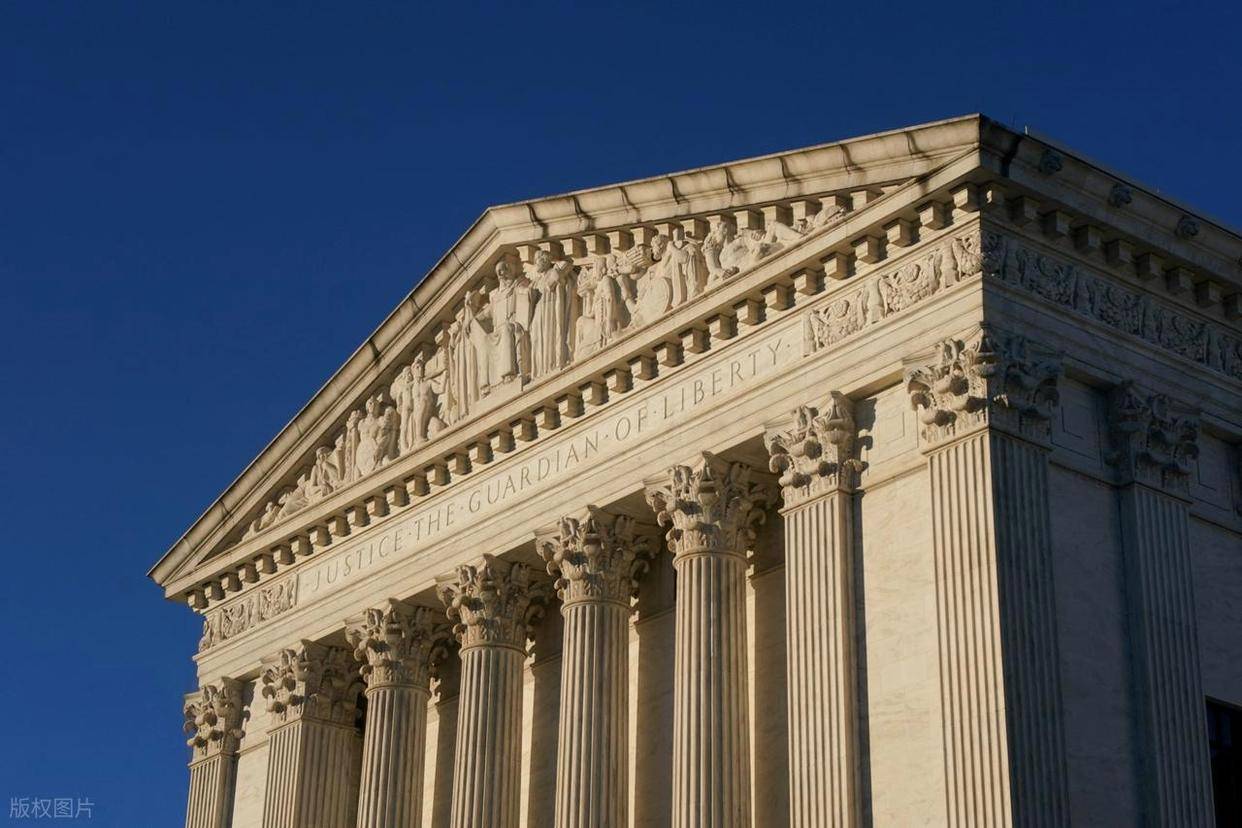
Group 1 - The U.S. Supreme Court ruled that the Trump administration's imposition of tariffs under the International Emergency Economic Powers Act was illegal, leading to the potential repeal of several previously announced tariffs [1] - Following the ruling, the White House announced the termination of related executive orders, marking a new chapter in the legal battle over tariff legitimacy [1] - The Trump administration quickly shifted strategies, invoking Section 122 of the Trade Act to impose a 15% additional tariff on most imported goods, effective for 150 days, complicating the already intricate U.S. tariff policy landscape [1] Group 2 - The U.S. tariff system against China is layered, starting with the Most Favored Nation rate, which was around 2% before 2018, but the introduction of the "301 tariffs" significantly changed this, becoming a core tool in the U.S.-China trade war [3] - The Biden administration further escalated tariffs, imposing up to 100% on electric vehicles and raising semiconductor tariffs to 50% [3] - The "232 tariffs" target specific goods like steel and automobiles under the guise of national security [3] Group 3 - The tariffs known as "reciprocal tariffs" and "fentanyl tariffs," implemented under the International Emergency Economic Powers Act, were invalidated by the Supreme Court ruling, which could theoretically reduce the average tariff on Chinese imports by 20% [6] - However, the introduction of the new "122 tariffs" at 15% counteracts this reduction, resulting in a net decrease of only 5%, keeping the average tariff at approximately 30.5% [6] - This dynamic adjustment highlights the U.S. government's strategic use of various legal provisions to achieve policy goals while maintaining legal legitimacy [6][11] Group 4 - Historically, U.S. tariff policy has shown a pattern of tool iteration, with the International Emergency Economic Powers Act being favored for its expediency during the Trump administration [7] - The Supreme Court's ruling has set clear legal boundaries for tariff imposition, pushing the government to rely on legally recognized provisions like "232 tariffs" and "301 tariffs" [7] - Although these provisions require longer preparation periods, they offer stability and targeted high tariffs on specific goods, indicating a shift from rapid response to procedural compliance in U.S. tariff strategy [9] Group 5 - The U.S. judicial system does not oppose tariffs per se but corrects procedural violations, suggesting future tariffs will increasingly depend on legally vetted provisions, leading to longer implementation cycles but more predictable outcomes [11] - In the short term, a 10% tariff reduction may alleviate some export pressures for China, but the average tariff remains significantly higher than pre-2018 levels, indicating ongoing cost pressures [13] - The retention of "301 tariffs" and "232 tariffs" allows for targeted high tariffs on strategic industries, necessitating a comprehensive approach from China in formulating response strategies [13]