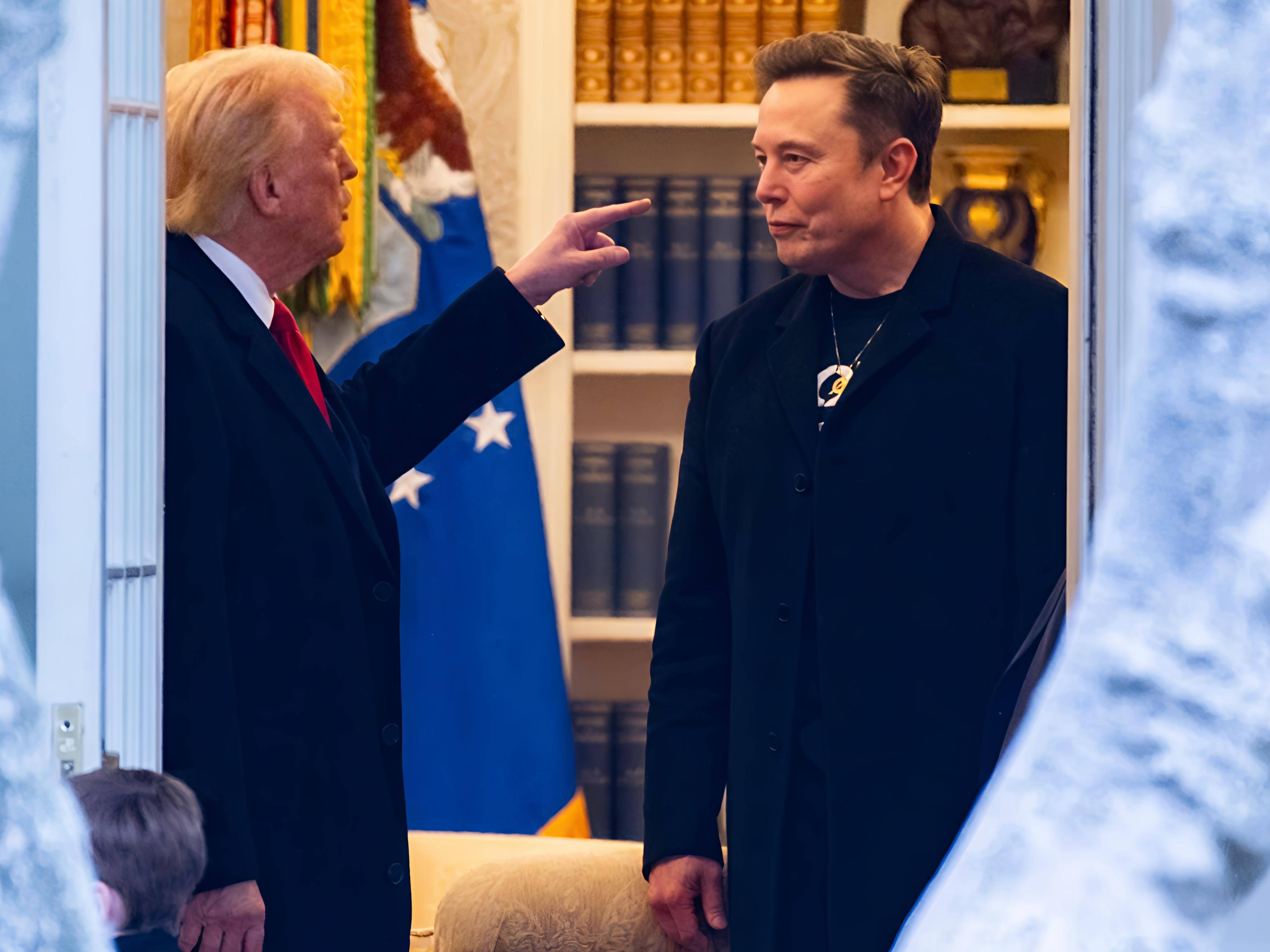
美国政商关系

Search documents
赌上特斯拉,马斯克向特朗普“开战”
Zhong Guo Xin Wen Wang· 2025-07-10 10:46
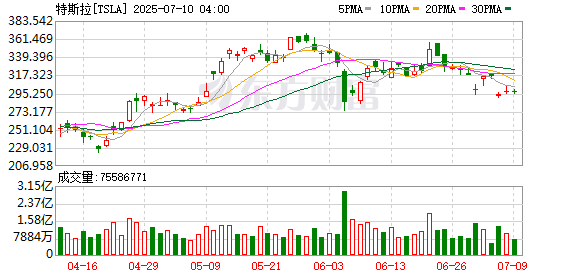
Core Viewpoint - Elon Musk has announced the establishment of a new political party, the "American Party," targeting former ally and current President Trump, following a significant drop in Tesla's market value by $100 billion in a week [2][3]. Group 1: Impact on Tesla - The recent "Big and Beautiful" bill signed by Trump has eliminated several clean energy incentives, which directly impacts Tesla's carbon credit trading business, a revenue source that generated $2.8 billion in the past year, accounting for nearly 40% of its profits [3]. - Morgan Stanley predicted that the cancellation of electric vehicle tax credits could reduce Tesla's annual operating profit by $1.2 billion [3]. - Following the decline in Tesla's second-quarter global vehicle deliveries by 13.48% year-over-year and the public fallout with Trump, Tesla's stock price dropped by 6.79%, resulting in a market value loss of over $68 billion [7]. Group 2: Political Dynamics - Musk's anger towards the new legislation is evident as he criticized it on social media, calling it "absurd," "disgusting," and "destructive," while Trump retaliated by stating Musk has received more subsidies than anyone in history [5]. - Musk's establishment of the "American Party" aims to reclaim freedom for the people and seeks to win 2-3 Senate seats and 8-10 House seats in the 2026 midterm elections, which could shift the legislative balance in a closely divided Congress [5]. - Analysts suggest that Musk's political maneuvering may be a strategy to pressure Trump and the Republican Party into policy compromises by splitting their voter base [5]. Group 3: Challenges Ahead - Establishing a new national political party in the U.S. involves complex certification processes, making it a challenging endeavor [6]. - The "winner-takes-all" electoral system in the U.S. is inherently unfavorable for third-party development, as noted by political experts [6]. - Despite Musk's financial resources, breaking the dominance of the Republican and Democratic parties remains a significant hurdle [7]. Group 4: Broader Implications - Musk's political engagement raises concerns among investors about potential distractions from his business focus, particularly regarding Tesla and SpaceX, which holds $22 billion in federal contracts [7]. - The conflict between Musk and Trump reflects deeper fractures within Trump's political alliance, highlighting the fragile relationship between technology capital and political power in the U.S. [8]. - The situation illustrates the challenges faced by tech capital in attempting to influence political agendas, as evidenced by the backlash against Tesla despite Musk's previous support for Trump [8].


中美刚挂断电话,不到24小时,马斯克情绪失控,送给特朗普4个字
Sou Hu Cai Jing· 2025-06-09 16:35
Group 1 - Tesla's stock price experienced a dramatic drop of 14.26% on June 5, resulting in a loss of over $150 billion in market capitalization, equivalent to the GDP of a medium-sized country [1][3] - Elon Musk's personal wealth decreased by $34 billion, highlighting the significant impact of the stock market reaction on individual investors [1][3] - The decline in Tesla's stock triggered a chain reaction, causing panic across the entire renewable energy sector, leading to urgent meetings among fund managers and analysts [3][4] Group 2 - The conflict originated from a proposed bill by Trump aimed at overturning Biden's green energy policies, which included the elimination of subsidies and incentives for electric vehicles [4][6] - Musk expressed outrage over the bill, emphasizing that government subsidies have been crucial for Tesla's success, and he denied having prior knowledge of the bill's contents [6][8] - The clash between Musk and Trump reflects a deeper issue in U.S. political and business relationships, where personal interests often conflict with political agendas [16][22] Group 3 - The confrontation escalated as Musk publicly criticized Trump for threatening to cut government contracts and subsidies, which are vital for Tesla's operations [15][18] - The White House initiated crisis management efforts, recognizing Musk's significant influence in the tech sector and among younger voters [18][20] - The outcome of this conflict remains uncertain, with potential scenarios ranging from reconciliation to a complete breakdown of their relationship [20][22]
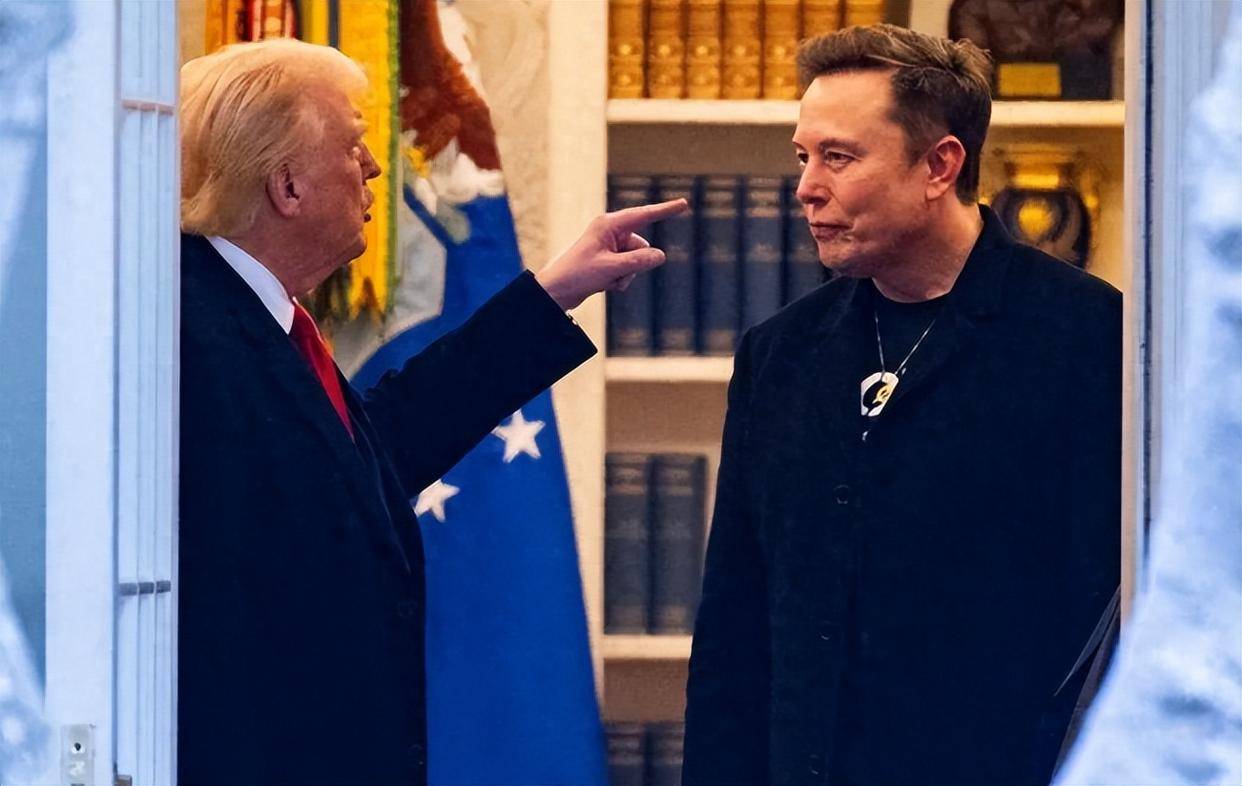
特朗普与马斯克关系恶化的对美国政局发展的影响
Sou Hu Cai Jing· 2025-06-08 04:18
Group 1 - The evolution of the relationship between Trump and Musk reflects the conflict between U.S. internal politics and business interests, providing insights into the dynamics of U.S. political developments [1] - During the cooperation period (2024 to early 2025), Musk supported Trump's campaign with significant funding, gaining substantial influence within the Trump administration [4][5] - The conflict period (April to May 2025) saw Musk publicly oppose Trump's policies, particularly the "reciprocal tariff" policy, leading to heightened tensions and disagreements within the administration [6] Group 2 - The rupture period (end of May 2025) marked a significant breakdown in the relationship, with Musk's net worth declining sharply due to Tesla's stock price drop, symbolizing the ultimate fracture in the power and capital dynamics of U.S. political-business relations [7] - The evolution of Musk and Trump's relationship has led to increased uncertainty in policy-making, highlighting the complexities of conflicts of interest within U.S. political-business relations [9] - The internal conflicts hindered the reforms led by Musk in the "Department of Government Efficiency," reflecting significant resistance to structural reforms within the U.S. government [10] Group 3 - The split between Musk and Trump indicates a new paradigm in the power-capital dynamics of U.S. political-business relations, suggesting a need for a reevaluation of these relationships for more balanced and sustainable development [11] - The evolution of their relationship also illustrates the intensification of political polarization in the U.S., with stark policy disagreements leading to further entrenchment of political positions [12] - Overall, the relationship's evolution serves as a microcosm of the broader struggles within U.S. political-business relations, emphasizing the need for reform in both political relationships and policy mechanisms for sustainable development [14]