美国消费K型分化

Search documents
美国消费出现K型分化,4200万人断粮背后,贫富消费鸿沟再拉大
3 6 Ke· 2025-11-07 02:32
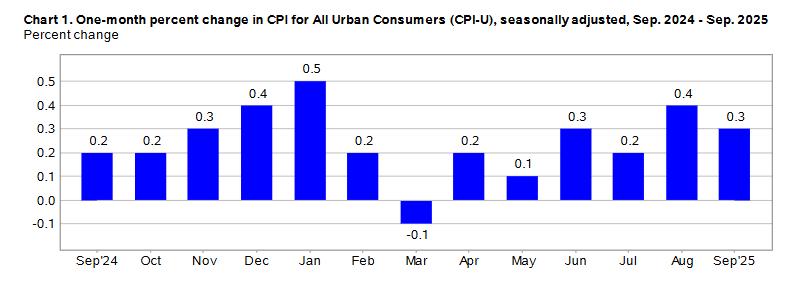
Core Insights - The recent CPI data for September shows a year-on-year inflation increase of 3.0%, slightly below the market expectation of 3.1%, indicating a structural split in consumer spending patterns in the U.S. [1][2] - Consumer confidence has significantly declined, particularly among low- and middle-income groups, with a 12-point drop in the confidence index reported by the University of Michigan, marking the largest single-month decline since 2020 [2][3] - The ongoing federal government shutdown has exacerbated economic losses, estimated at $18 billion, and is projected to reduce fourth-quarter GDP growth by at least 1 percentage point [2][19] Inflation Trends - The CPI data reveals a structural division between high inflation in essential goods and low inflation in discretionary spending, highlighting a "K-shaped" recovery where wealthier consumers thrive while lower-income households struggle [3][11] - Essential goods such as energy and food have seen significant price increases, with energy prices rising by 2.8% year-on-year and food prices increasing by 2.7% [4][15] - In contrast, discretionary items like used cars and clothing have experienced price declines, indicating a weakening demand in non-essential sectors [5][15] Consumer Behavior - The disparity in consumer spending is evident, with high-income households experiencing a "wealth effect" from rising asset prices, while low-income households face increasing costs for essentials [10][12] - The "inflation pain index" for households earning below $30,000 reached 4.2%, compared to just 0.8% for those earning above $150,000, illustrating the uneven impact of inflation [10][12] - The government shutdown has led to the suspension of food assistance programs, affecting millions of low-income individuals and further straining their purchasing power [19][20] Retail and Market Response - Retailers are adapting to the changing consumer landscape by focusing on high-end and low-cost products, while mid-tier brands struggle to maintain market share [20][27] - Sales of high-end organic foods have surged by 18%, while basic food items have seen minimal growth, reflecting a shift in consumer preferences towards premium products [20][27] - The automotive market shows a similar trend, with luxury vehicle sales increasing by 18%, while the volume of lower-priced vehicles has declined [21][27] Economic Outlook - The concentration of wealth among the top 20% of households, who hold 70% of financial assets, continues to widen the gap between income groups, leading to a potential "false prosperity" scenario [12][31] - If the wealth distribution remains imbalanced, there is a risk of a "differentiated recession" occurring by 2027, characterized by a decline in high-end consumption alongside a collapse in lower-income spending [31][32] - The ongoing economic trends highlight the need for policy interventions to address the growing disparities and ensure a more equitable distribution of economic growth [31][32]