
美国社会分裂

Search documents
2025年全球CEO最关心的十大战略议题
科尔尼管理咨询· 2025-12-15 03:51
Core Insights - The article emphasizes the need for businesses to adapt to a rapidly changing global environment characterized by geopolitical tensions, economic fragmentation, and technological advancements [2][4][41] Group 1: Geopolitical and Economic Trends - The decline of the liberal international order is accelerating, leading to increased geopolitical tensions and economic fragmentation [8][9] - Businesses must navigate a more fragmented global market with diverse regulatory and compliance risks [10][12] - The weakening of multilateral cooperation in areas like climate governance and public health increases uncertainty for cross-border operations [10][12] Group 2: Strategic Responses for Businesses - Companies are encouraged to adopt strategic hedging by diversifying supply chains and partnerships across geopolitical regions to mitigate risks [10][12] - There is a growing expectation for businesses to take on more social responsibility, particularly in education and community integration [13][18] - Firms should enhance their operational resilience by optimizing supply chain structures and integrating advanced technologies [28][30] Group 3: Technological Advancements - The rapid evolution of artificial intelligence is driving transformative changes across various sectors, necessitating a new understanding of its implications [31][36] - Companies must focus on building AI-ready talent and leveraging data as a competitive advantage [36][39] Group 4: Resource Management and Sustainability - The strategic importance of critical minerals is rising, with companies needing to ensure resource security through long-term contracts and geopolitical due diligence [34][35] - Businesses should prioritize sustainability and ethical compliance in their supply chain practices to mitigate reputational risks [35][42] Group 5: Future Outlook - The global economic landscape is shifting towards a more multipolar currency system, requiring businesses to diversify their currency exposure [26][27] - Companies must proactively define their development goals and establish sustainable operational pathways to thrive amid uncertainty [23][41]


实锤!政府停摆真不是意外!特朗普的屠刀,正伸向全美的命根子?
Sou Hu Cai Jing· 2025-11-09 05:22
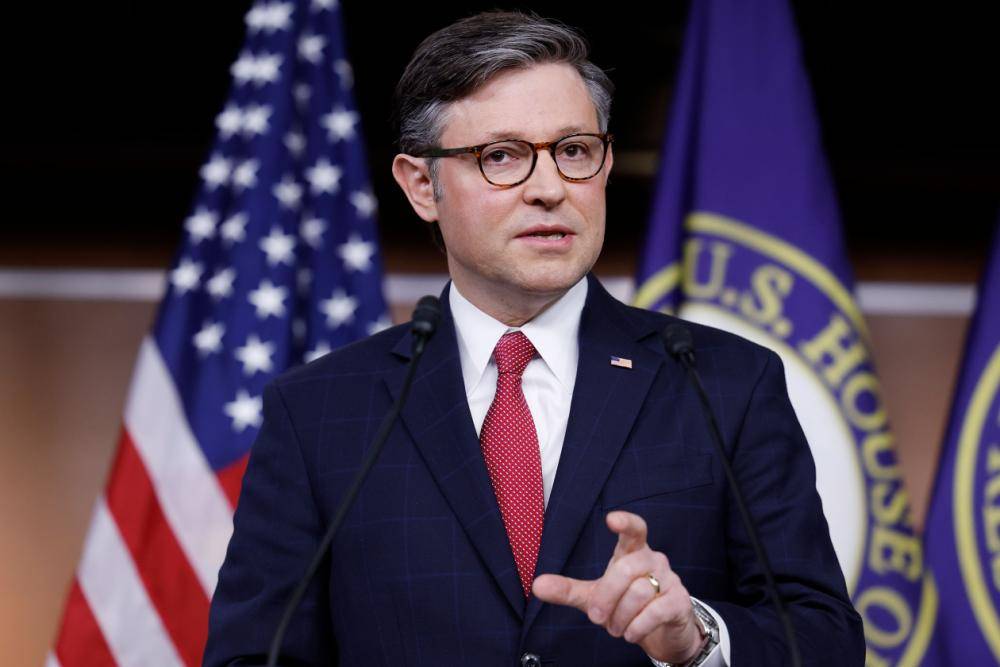
Core Viewpoint - The current U.S. government shutdown is not merely a budget dispute but a significant political crisis centered around the "Big and Beautiful Act," which reveals deep societal divisions in the U.S. [7][16] Group 1: Legislative Impact - The "Big and Beautiful Act" redefines the standard for "poor," reflecting a strong sentiment against welfare dependency, which has garnered support from certain voter demographics [9][11] - The act includes tax cuts for specific groups, such as restaurant workers and blue-collar employees, aiming to attract Republican voters while simultaneously cutting welfare benefits for Democratic supporters [11][12] Group 2: Social and Economic Consequences - The new regulations under the act will require non-disabled adults to work at least 80 hours a month to qualify for Medicaid, potentially removing up to 12 million people from the program [12] - The act is projected to cause a revenue loss of $5 trillion to $6 trillion over the next decade, exacerbating an already high deficit rate of 6.4%, which could rise to 7.3% [17] Group 3: Political Dynamics - The shutdown provides an opportunity for the Trump administration to conduct a political purge, with approximately 150,000 federal employees believed to lean Democratic already leaving the government [14][20] - The conflict over the act represents a deeper struggle over defining who constitutes "the American people," with implications for welfare distribution and fiscal policy [16][22]
特朗普一纸总统令,大批美军奔赴关键地点,美国内战一触即发?
Sou Hu Cai Jing· 2025-10-03 06:23
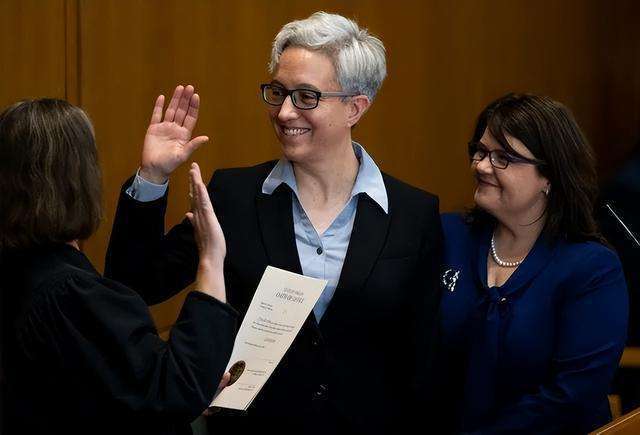
Core Viewpoint - President Trump's recent order to deploy a large number of U.S. troops to Portland, Oregon, has sparked significant controversy and opposition from state and local officials, raising questions about the legality and implications of such military intervention [1][3][5]. Oregon State's Response - Oregon Governor Kate Brown publicly opposed Trump's order, asserting that the state has sufficient capacity to manage its public safety without federal military intervention [3]. - Brown emphasized that there is no "insurrection" or "national security threat" in Portland, and she has communicated with other state governors to discuss responses to the unexpected military deployment [3]. Portland City's Response - Portland Mayor Ted Wheeler also condemned the federal military presence, stating that the city does not require federal intervention and questioning whether Trump is attempting to create a "state of anarchy" [5]. - Oregon and Portland have filed a lawsuit against the Trump administration, claiming overreach and infringement on local governance [5]. Reactions from Other State Leaders - California Governor Gavin Newsom criticized Trump for waging "war on American cities," suggesting that Trump's actions are politically motivated rather than aimed at addressing violence [7]. - Trump's military interventions have been previously challenged in court, with a ruling against his deployment of National Guard troops in California, yet he continues to pursue similar actions in other states [7]. Social Division and Presidential Power Controversy - Trump's frequent use of military force to address domestic issues has intensified societal divisions and raised alarms about potential power abuses [9]. - The ongoing military interventions could exacerbate internal conflicts and challenge the constitutional balance between federal and state powers, leading to increased tensions between the federal government and local authorities [9].
美媒担忧查理·柯克被杀加剧分裂,美国国会就是否为其进行祈祷发生争吵
Huan Qiu Wang· 2025-09-11 02:15
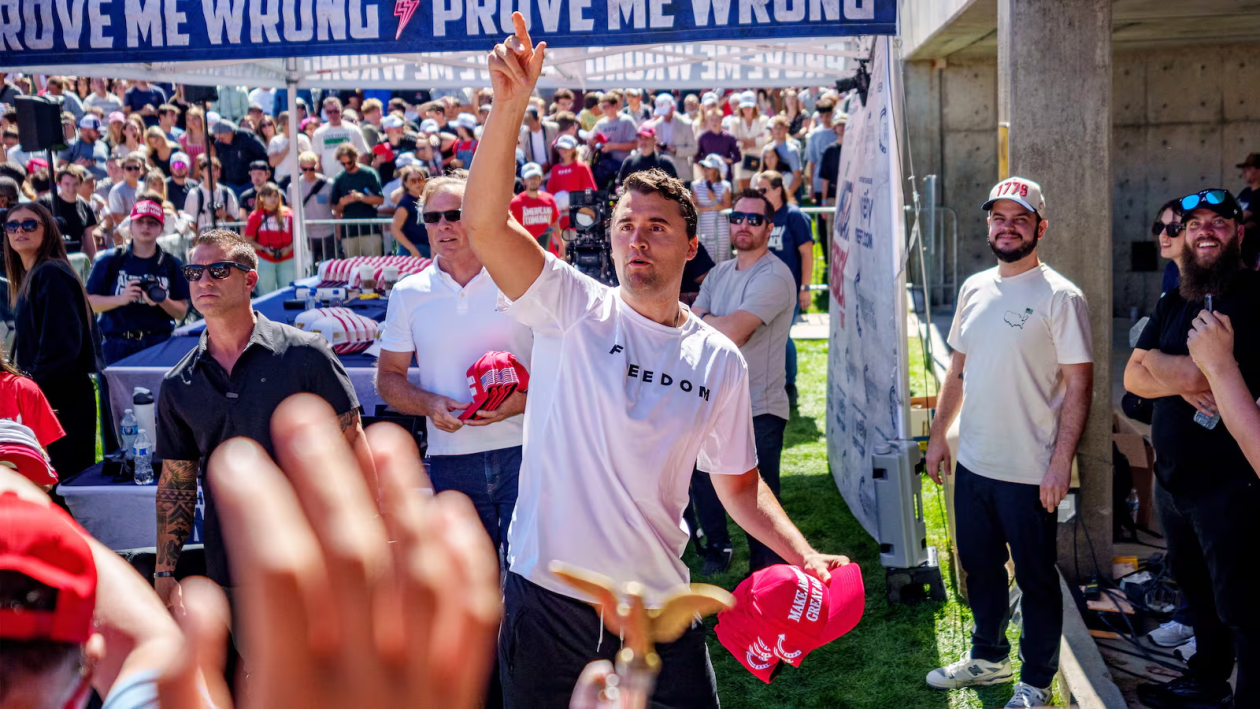
Core Points - Conservative activist Charlie Kirk was shot and killed, leading to a moment of silence in the U.S. House of Representatives, which sparked a heated exchange between Republican and Democratic members [1][3] - House Speaker Johnson condemned political violence, stating it has become too common in American society and contradicts the nation's core principles [3] - Kirk was a close ally of Trump and played a significant role in mobilizing young Republican voters, with his activities eliciting polarized reactions on campuses [3] Political Reactions - Following the moment of silence, Republican Congresswoman Lauren Boebert called for vocal prayers for Kirk, which was met with boos from Democratic members, highlighting the ongoing political divide [3] - Republican Congresswoman Anna Paulina Luna responded to the Democratic heckling with profanity, indicating the heightened tensions within Congress [3] - An anonymous Republican member expressed disgust at the conflict that erupted during the tribute to Kirk, reflecting the emotional stakes involved [3] Broader Implications - Kirk's death is viewed as a watershed moment for the U.S., which is currently facing severe societal divisions [3] - Republican Jewish Governor Spencer Cox urged those celebrating the shooting to reflect on their actions, emphasizing the need for introspection in the face of violence [3] - Media commentary suggests that the current climate in America is filled with "malicious rhetoric," contributing to a cycle of hate and violence [3]
洛杉矶冲突持续,加州州长痛批!抗议活动已蔓延至全美多地
Nan Fang Du Shi Bao· 2025-06-12 07:13
Core Viewpoint - The ongoing conflict in Los Angeles is characterized as a carefully orchestrated "war" by California Governor Newsom, aimed at consolidating power in the White House, with the Trump administration continuing its aggressive immigration enforcement actions [1][2]. Group 1: Government Actions - Governor Newsom stated that the deployment of the National Guard and Marines in Los Angeles is part of a broader strategy to suppress protests against federal immigration enforcement actions, which have extended beyond targeting criminals to include ordinary workers [1]. - The Trump administration has indicated that it will persist with its immigration raids and deportations, despite widespread protests across at least 24 cities in the U.S. [2]. Group 2: Political Dynamics - Both the Republican and Democratic parties are using immigration issues as political tools, attacking each other from different perspectives, which is contributing to the ongoing division in American society [2]. - Trump has suggested the possibility of invoking the Insurrection Act if unrest escalates, indicating a readiness to take extreme measures in response to the protests [2].
撕裂“天使之城”:洛杉矶冲突背后的美国对立、博弈与困境
Nan Fang Du Shi Bao· 2025-06-10 05:47
Core Viewpoint - The recent federal immigration enforcement actions in Los Angeles have sparked significant unrest, highlighting the ongoing political tensions between the Republican-controlled federal government and the Democratic-led California state government [1][4][6]. Group 1: Events and Actions - On June 6, federal agencies, including ICE, conducted a large-scale operation targeting illegal immigrants in Los Angeles County, resulting in the arrest of 44 individuals [2]. - Protests erupted in response to these actions, with approximately 500 demonstrators gathering to oppose the enforcement, leading to violent confrontations with law enforcement [2][3]. - President Trump ordered the deployment of 2,000 National Guard troops to Los Angeles to manage the escalating situation, which has been characterized by ongoing clashes between federal agents and protesters [3][4]. Group 2: Political Implications - The conflict underscores the power struggle between federal and state authorities, particularly as California has been a stronghold for the Democratic Party, which opposes Trump's hardline immigration policies [5][7]. - Trump's actions are seen as a direct challenge to California's leadership, with Democratic governors expressing concern over the federal government's overreach in deploying National Guard troops without state consultation [7]. - The situation reflects broader societal divisions in the U.S., with immigration becoming a contentious political issue exploited by both parties for electoral gain [6][12]. Group 3: Societal Impact - The unrest has created a climate of fear among local residents, with businesses closing and communities on high alert due to the ongoing violence and uncertainty [4][5]. - The conflict has also intensified discussions around immigration policy, with rising populism and nationalism influencing public sentiment against illegal immigrants, particularly from Latin America [8][10]. - The ongoing enforcement actions and the political rhetoric surrounding them are likely to exacerbate divisions within American society, as both parties leverage the issue for political advantage [9][12].