
美欧同盟

Search documents
特朗普神助攻!欧洲终于做出选择,马克龙之后,又有欧洲政要访华,美欧同盟名存实亡?
Sou Hu Cai Jing· 2025-12-09 08:26
Core Viewpoint - European countries are collectively shifting their focus towards China, driven by dissatisfaction with the United States' recent policies and actions, particularly under the Trump administration [1][3][10]. Group 1: European Shift Towards China - The recent visits by European leaders to China, including French President Macron and German Foreign Minister Baerbock, signify a strategic pivot towards China as a response to perceived neglect and hostility from the U.S. [1][7] - The U.S. has imposed tariffs on European goods, including a 25% tariff on EU steel and aluminum products and a 32% punitive tariff on Italian leather goods, which has strained trade relations [3][4]. - The economic outlook for the EU is bleak, with projected GDP growth of only 1.4% by 2025, exacerbated by U.S. tariffs affecting key industries like automotive and chemicals [4]. Group 2: Strengthening Sino-European Relations - During Macron's visit, significant cooperation agreements were signed, including joint development of wide-body aircraft and operational contracts for nuclear power, indicating a deepening economic relationship [5][7]. - Germany's focus has shifted from market access to supply chain security, highlighting the importance of Chinese technology and support for European industries [7]. - The EU's desire for "strategic autonomy" reflects a collective sentiment to avoid being subservient to U.S. interests, with leaders emphasizing the need for equal partnerships [7][10]. Group 3: Future Implications - The ongoing cooperation between China and Europe is expected to expand beyond trade to include digital economy and green transition initiatives, as evidenced by the resumption of the EU-China investment agreement negotiations [8]. - The shift towards China is not a rejection of the U.S. but rather a rational choice in a multipolar world, as European leaders seek to balance their interests amid U.S. protectionism [10].

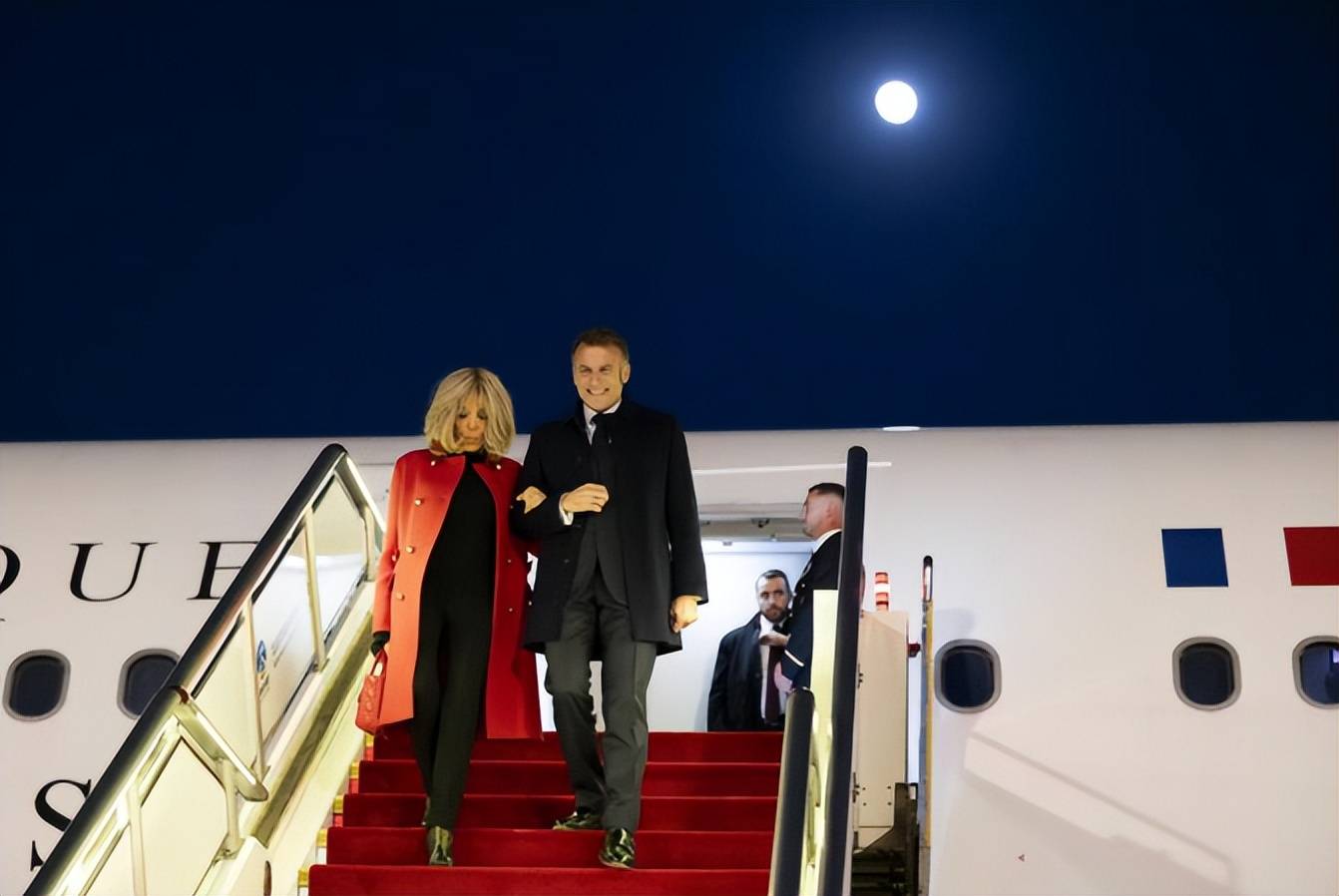
【环球财经】北约防长会尽显焦虑
Xin Hua She· 2025-06-06 13:09
Core Points - The NATO defense ministers meeting highlighted significant internal disagreements among member countries regarding defense spending and support for Ukraine, despite a push for a 5% defense spending target [1][2][4] - The proposed compromise by NATO Secretary General Stoltenberg includes a 5% target, with 3.5% for core defense and 1.5% for related infrastructure, aimed for completion by 2032 [2][3] - Some countries, like Estonia, advocate for achieving the 5% target within five years, while others, including the UK and Italy, prefer a timeline extending to 2035, and Spain opposes a fixed percentage [2][3] - NATO members had previously committed to raising defense spending to 2% of GDP by 2024, but several countries, including Spain and Italy, have not met this target, raising concerns about the feasibility of further increases [3] - The meeting focused heavily on military expansion plans, with Germany planning to increase its active military personnel by 60,000, reflecting internal contradictions within NATO regarding defense commitments [3] - The U.S. has sidelined the Ukraine issue during the meeting, indicating a potential strategic withdrawal from European commitments, which may exacerbate transatlantic tensions [4] - The absence of U.S. Defense Secretary Austin from the Ukraine Defense Liaison Organization meeting signals a weakening of U.S. ties with Europe and Ukraine, potentially undermining the NATO alliance [4]