
美欧对俄政策分歧

Search documents
美乌首次开会讨论“战后重建”,美欧争夺“万亿大蛋糕”,华尔街想在乌最大核电站旁建数据中心
美股IPO· 2025-12-11 03:50
Core Viewpoint - The article discusses the initiation of discussions regarding Ukraine's post-war reconstruction plan, highlighting the growing divergence between the U.S. and Europe on how to manage frozen Russian assets and the overall reconstruction strategy [1][4][8]. Group 1: U.S. Proposal - The U.S. proposes to utilize approximately $200 billion of frozen Russian assets to support American-led projects, including the construction of large data centers near the Zaporizhzhia nuclear power plant, with the potential to expand the funding pool to $800 billion under Wall Street's management [1][4][8]. - The U.S. vision includes a "business for peace" approach, allowing Wall Street executives and private equity firms to manage the funds, which U.S. officials believe will prevent rapid depletion of resources compared to European plans [8][9]. Group 2: European Response - The European Union prefers to use the frozen assets directly to support the Ukrainian government financially and for purchasing defense weapons, opposing any cooperation with Russia on energy, which they equate to a "Yalta Conference" for economic interests [1][4][9]. - European leaders, including German Chancellor Friedrich Merz, express skepticism towards the U.S. proposals, emphasizing the need to maintain economic isolation of Russia [4][9]. Group 3: Diplomatic Context - The discussions occur amid intense diplomatic negotiations involving the U.S., Europe, Ukraine, and Russia, with a focus on a revised peace proposal that has been streamlined to 20 key points [7]. - The atmosphere at the negotiation table remains tense, with reports of strong language used by U.S. officials during discussions with European leaders [7]. Group 4: Investment Opportunities - BlackRock has previously collaborated with the Ukrainian government to establish a reconstruction bank aimed at attracting private investment, which could potentially draw in hundreds of billions of dollars for reconstruction projects [6].

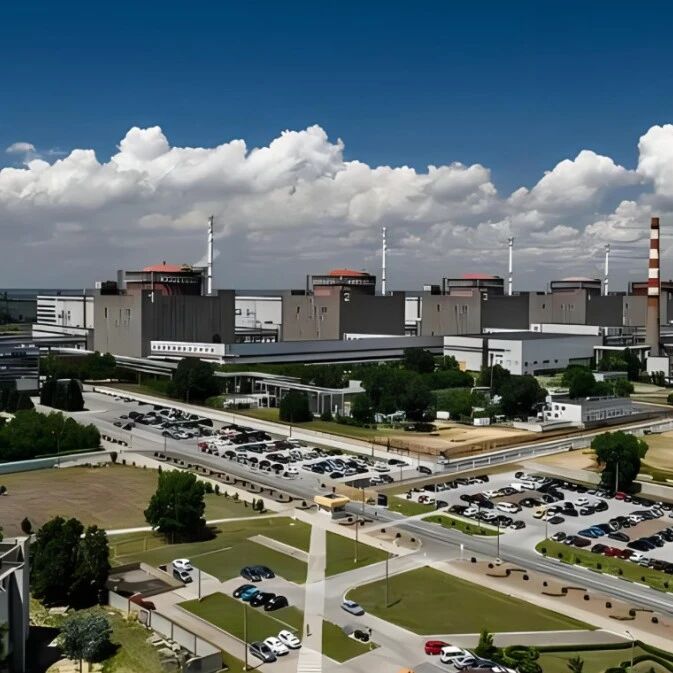
美乌首次开会讨论“战后重建”,美欧争夺“万亿大蛋糕”,华尔街想在乌最大核电站旁建数据中心
Hua Er Jie Jian Wen· 2025-12-11 00:43
Core Viewpoint - The article discusses the emerging strategic rift between Washington and Brussels regarding the post-war economic landscape in Ukraine, particularly focusing on the management of approximately $200 billion in frozen Russian assets and the differing visions for Ukraine's reconstruction and economic recovery [1][2][5]. Group 1: Ukraine's Reconstruction Talks - Ukrainian President Zelensky announced the initiation of discussions on Ukraine's reconstruction and economic recovery with key U.S. officials, including Treasury Secretary Yellen and BlackRock's CEO Larry Fink, emphasizing the importance of security for economic stability [1][3]. - The Ukrainian team has outlined a 20-point core position for ending the conflict, highlighting that overall security is a prerequisite for economic safety and a conducive business environment [1][4]. Group 2: U.S. and European Divergence - The U.S. proposes a commercial-oriented reconstruction plan that aims to utilize around $200 billion of frozen Russian assets to support American business projects, including the construction of large data centers near major nuclear power plants in Ukraine [1][6]. - In contrast, European officials prefer to use the frozen funds directly to support the Ukrainian government and military, expressing skepticism about the U.S. approach and comparing it to historical power-sharing agreements [2][7]. Group 3: Financial and Investment Implications - BlackRock has previously collaborated with the Ukrainian government to establish a reconstruction bank aimed at attracting private investment, potentially amounting to hundreds of billions of dollars for reconstruction projects [4]. - The U.S. strategy includes a vision for "unfreezing" the Russian economy, allowing American companies to invest in strategic sectors, which has faced strong resistance from Europe, particularly in light of recent agreements to phase out reliance on Russian energy [7].
