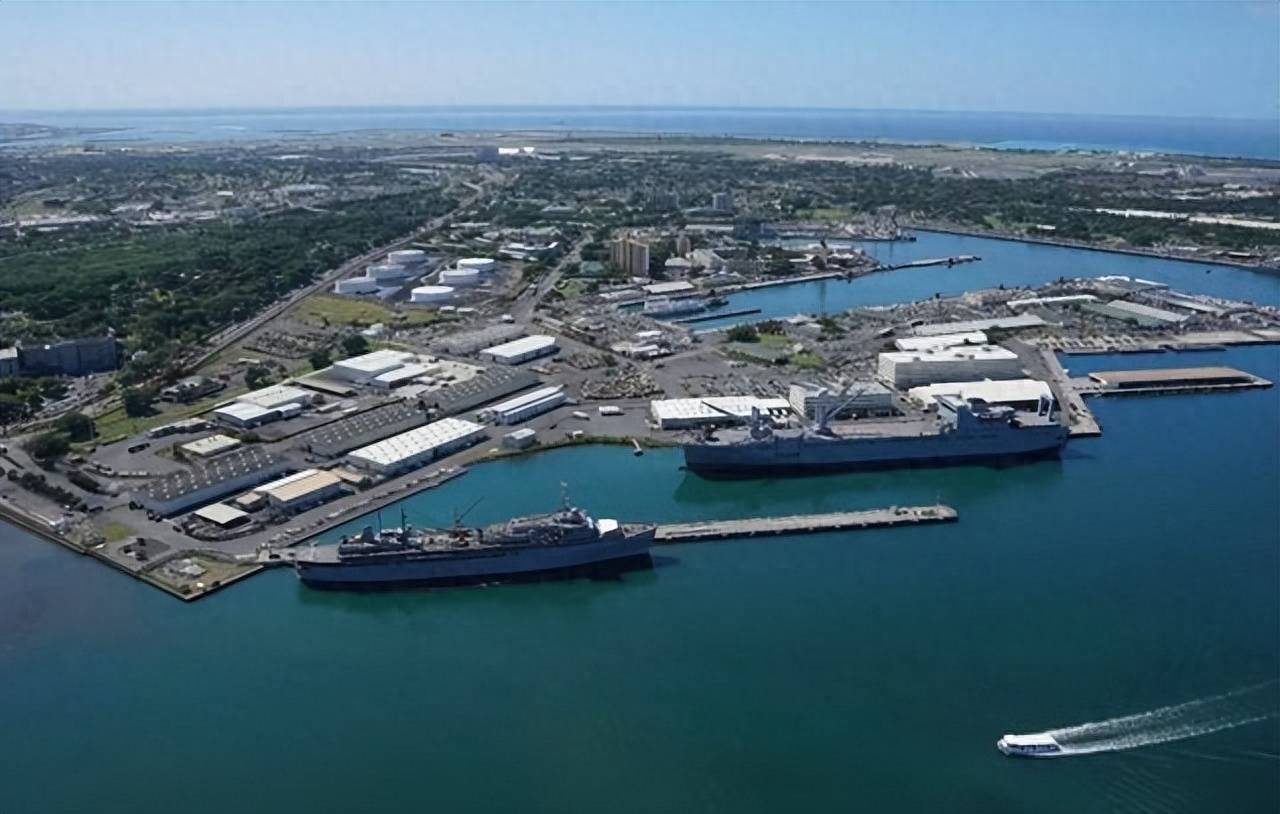
美菲军事合作

Search documents
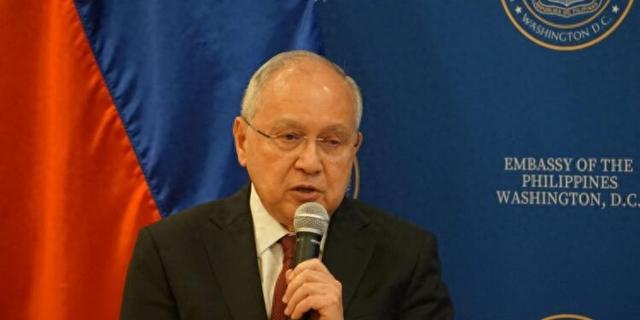
菲驻美大使求合作:中方也愿意
Xin Lang Cai Jing· 2026-02-11 04:18
Core Viewpoint - The Philippines, under the Marcos administration, is shifting its approach towards China, seeking to de-escalate tensions in the South China Sea and explore economic cooperation, especially in light of changing U.S.-China relations [1][2]. Group 1: Philippines' Diplomatic Shift - Philippine Ambassador to the U.S., Jose Manuel Romualdez, emphasized the need to "cool down" tensions with China regarding the South China Sea and to explore economic collaboration [1]. - Romualdez stated that the Philippines aims to improve relations with China and that both countries can cooperate on issues like climate change, manufacturing, and alternative energy [1][4]. - The Philippines is set to hold the ASEAN chairmanship this year, making the de-escalation of tensions crucial for ensuring China's participation in finalizing the "South China Sea Code of Conduct" [1]. Group 2: Economic Relations - Despite the tensions, China remains the Philippines' largest trading partner, with bilateral trade expected to reach $71.6 billion in 2024, including $52.28 billion in exports from China and $19.32 billion in imports from the Philippines [5]. - The Philippines has lagged in attracting foreign investment compared to other Southeast Asian nations, although it has seen a significant drop in investments since 2018 [5]. - Romualdez mentioned the need for the Philippines to "fine-tune" its relationship with China to foster more trade cooperation, amid concerns of being marginalized in the geopolitical landscape [2][5]. Group 3: Military and Defense Cooperation - The Philippines continues to strengthen its defense cooperation with the U.S., with increased frequency in military activities and discussions on modernization of the Philippine military [2][4]. - There are concerns regarding the Philippines being used by the U.S. for its geopolitical interests, as highlighted by former President Duterte's remarks on the issue [5][7]. - The Philippines is actively engaging in dialogues with China to manage maritime disputes and maintain communication on shared concerns [7].

美菲关税协议的本质是菲中开战?菲军大骂:绝对不让美国说了算
Sou Hu Cai Jing· 2025-07-27 05:34
Group 1 - The military cooperation between the Philippines and the United States is undergoing significant changes, with the number of US military bases in the Philippines expanding from 5 to 9 in a short period, raising concerns about the underlying intentions behind this expansion [1][3][5] - The recent trade agreement, which appears to offer minor tariff reductions, is overshadowed by military conditions that suggest a deeper strategic partnership, with the US aiming to enhance its military presence in the region [3][5] - The strategic locations of the new military bases, particularly near contested areas in the South China Sea, indicate a shift towards establishing military outposts rather than mere defense cooperation [5][11] Group 2 - The deployment of the "堤丰" missile system, capable of covering both the South China Sea and Taiwan Strait, poses a significant risk of turning the Philippines into a military staging ground for the US [5][11] - The Philippines' defense spending is increasing sharply due to military purchases from the US, which may lead to long-term financial burdens for the country [7][11] - The military exercises between the US and the Philippines are becoming more extensive and targeted, suggesting preparations for potential military actions in the region [7][11] Group 3 - The Philippines is at risk of following a path similar to Ukraine, where external military support leads to increased dependency and potential conflict, with the local population bearing the brunt of geopolitical struggles [9][13] - The internal divisions within the Philippines regarding military cooperation with the US are becoming more pronounced, with some officials expressing concerns about national sovereignty while others advocate for deeper ties [15][17] - The economic implications of the Philippines' reliance on the US for security are complicated by its significant trade relationship with China, which could be jeopardized by escalating tensions [18][23] Group 4 - The Philippines has a critical opportunity to reassess its strategic choices before fully committing to US military alignment, which could limit its diplomatic flexibility in the future [25][30] - Learning from the experiences of other Southeast Asian nations, the Philippines could benefit from maintaining a balanced approach between major powers rather than leaning too heavily towards one [21][34] - The need for political reform and a more transparent decision-making process is essential for the Philippines to navigate its foreign policy effectively and avoid being trapped in a dependency cycle [33][34]