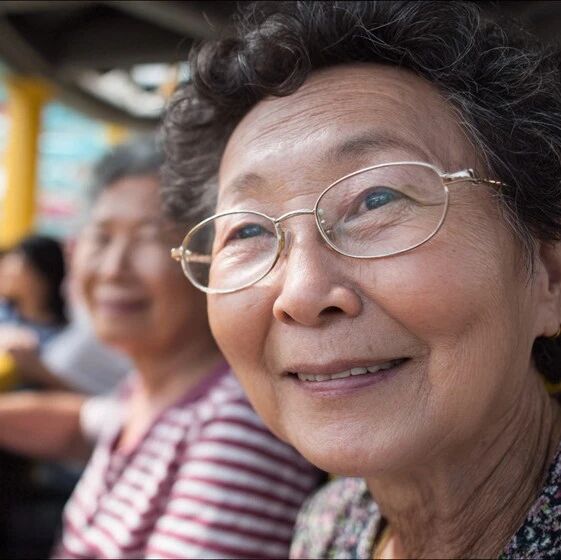
老龄消费

Search documents
(第八届进博会)从进博会看中国消费市场新趋势:多元消费图景涌现
Zhong Guo Xin Wen Wang· 2025-11-10 11:38
Group 1: Core Trends in Consumption - The 8th China International Import Expo reflects new consumption trends in the Chinese market, showcasing innovation and vitality [1] - The shift from passive disease response to proactive health management is driving the rapid development of the active health consumption market [2] - The "silver economy" is expanding, with a projected 310 million people aged 60 and above in China by the end of 2024, expected to exceed 400 million by around 2035 [3] Group 2: Active Health Consumption - The expo features new products and solutions catering to diverse health needs, including health supplements that combine ancient remedies with modern nutrition technology [2] - AI and IoT technologies are being integrated into home fitness solutions, providing personalized exercise plans and smart fitness equipment for home use [2] Group 3: Silver Economy Innovations - The expo introduces new themes around elderly care, including medical care, home modifications for aging, and smart devices to enhance the silver consumer market [3] - Companies like Boston Scientific and BD Medical are presenting innovative products aimed at addressing the specific needs of elderly patients [3] - IKEA and Panasonic are focusing on creating safer living environments for the elderly through home design and flooring solutions [3] Group 4: Emotional Consumption Trends - The "self-indulgent consumption" market in China is projected to exceed 2 trillion yuan in 2024, with individuals aged 26 to 45 making up over 82% of this demographic [4] - Companies are tapping into emotional needs by creating products that resonate with consumers' feelings, such as the CRYBABY IP from Pop Mart [4] - AI and sensory technology are being utilized to capture and respond to user emotions, enhancing the consumer experience through personalized recommendations [4]
沉迷追星的日本老人:银发社会的快乐密码
虎嗅APP· 2025-11-02 09:21
Group 1: Aging Population Trends - Japan has the highest aging population globally, with 30% of its population aged 65 and above, compared to China's 15% [5] - China's aging population is expected to catch up with Japan's within 15 years, as a significant number of individuals born between 1962 and 1975 will reach retirement age [5][6] - In major cities like Shanghai, the aging demographic is already comparable to that of Japan [5] Group 2: Wealth Distribution Among Seniors - In Japan, 80% of financial assets are held by individuals aged 50 and above, with an average financial asset of 30 million yen (approximately 1.5 million RMB) per household [6] - This wealth concentration has led many companies to target the elderly demographic for their services [7] Group 3: Consumer Behavior of the Elderly - Japanese seniors prioritize spending on "happiness" and "health," with a focus on happiness-related consumption such as entertainment and leisure activities [9] - A notable trend is the increasing popularity of "idol chasing" among seniors, with 35% of those aged 65 and above participating in such activities, spending an average of 150,000 yen (about 10,000 RMB) annually [12] Group 4: Entertainment and Leisure Preferences - The elderly in Japan maintain a youthful mindset, often engaging in activities traditionally associated with younger generations, such as following pop stars [11] - Tokyo Disneyland has adapted its offerings to cater to older visitors, who now represent a significant portion of its customer base, with only 26% of visitors being under 20 [15] Group 5: Travel Industry for Seniors - The largest senior travel agency in Japan, Club Tourism, focuses on cultural and historical experiences rather than just sightseeing, catering to the interests of elderly travelers [20] - Seniors tend to travel more frequently than younger individuals, with the potential for monthly trips compared to the one or two trips a year typical for younger demographics [21] Group 6: Employment Opportunities in Elderly Services - The aging population has created a demand for jobs in sectors that provide services to seniors, leading to a labor shortage in these areas [21] - Contrary to the belief that an aging society hampers economic growth, Japan's current job market is thriving, particularly in roles that require human interaction and service [21]