胡同文化

Search documents
老北京的“金丝套”
Xin Lang Cai Jing· 2026-01-25 06:55
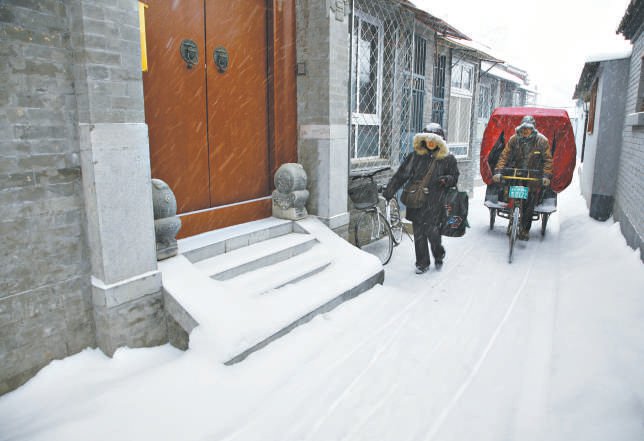
Core Viewpoint - The article highlights the historical and cultural significance of the "Golden Silk Alley" area in Beijing, known for its unique architecture and rich heritage, making it a popular destination for tourists since the 1980s [2]. Group 1: Historical Significance - The "Golden Silk Alley" area, referred to as "金丝套," is a collection of alleys that includes the famous Da Jin Si Hutong and Xiao Jin Si Hutong, reflecting the weaving and dyeing history of Beijing from the Ming Dynasty [2]. - The name "金丝套" evolved from "金银丝绦胡同," indicating the area's historical connection to silk production and its winding streets [2]. - The area features 150 traditional courtyard houses, showcasing exquisite craftsmanship through elements like door stumps, brick carvings, and shadow walls, representing various social classes [2]. Group 2: Cultural and Tourist Appeal - The "Golden Silk Alley" has become a cradle for Beijing hutong tours, attracting visitors with its scenic views of Shichahai and the charm of traditional courtyard life [2]. - Notable historical sites within the area include the Prince Gong's Mansion and other significant residences, enhancing the cultural richness of the location [2]. - The best way to explore the "Golden Silk Alley" is by cycling, allowing visitors to enjoy the unique street layout and capture picturesque moments [2].

长辛店也有胡同烟火气 来打卡北京南城宝藏街区
Xin Lang Cai Jing· 2025-12-31 06:33
Core Insights - The article highlights the revitalization of the Changxindian area in Fengtai District, Beijing, showcasing a blend of historical and modern elements [1] Group 1: Historical Significance - The area features an ancient post station and retains industrial memories from the Jinghan Railway, reflecting its rich historical background [1] - Visitors can experience traditional culture by walking on the Qing Dynasty stone roads and exploring the old temple [1] Group 2: Modern Developments - The neighborhood has seen a resurgence with the reopening of old guild halls, shops, and buildings, indicating a revival of local commerce [1] - New trendy establishments such as coffee shops, handmade stores, and art exhibition spaces have emerged, contributing to the area's modern appeal [1]
铅笔为刃刻乡愁:况晗胡同画展亮相西单,百幅画作带您寻觅心灵家园
Bei Jing Shang Bao· 2025-07-12 07:20
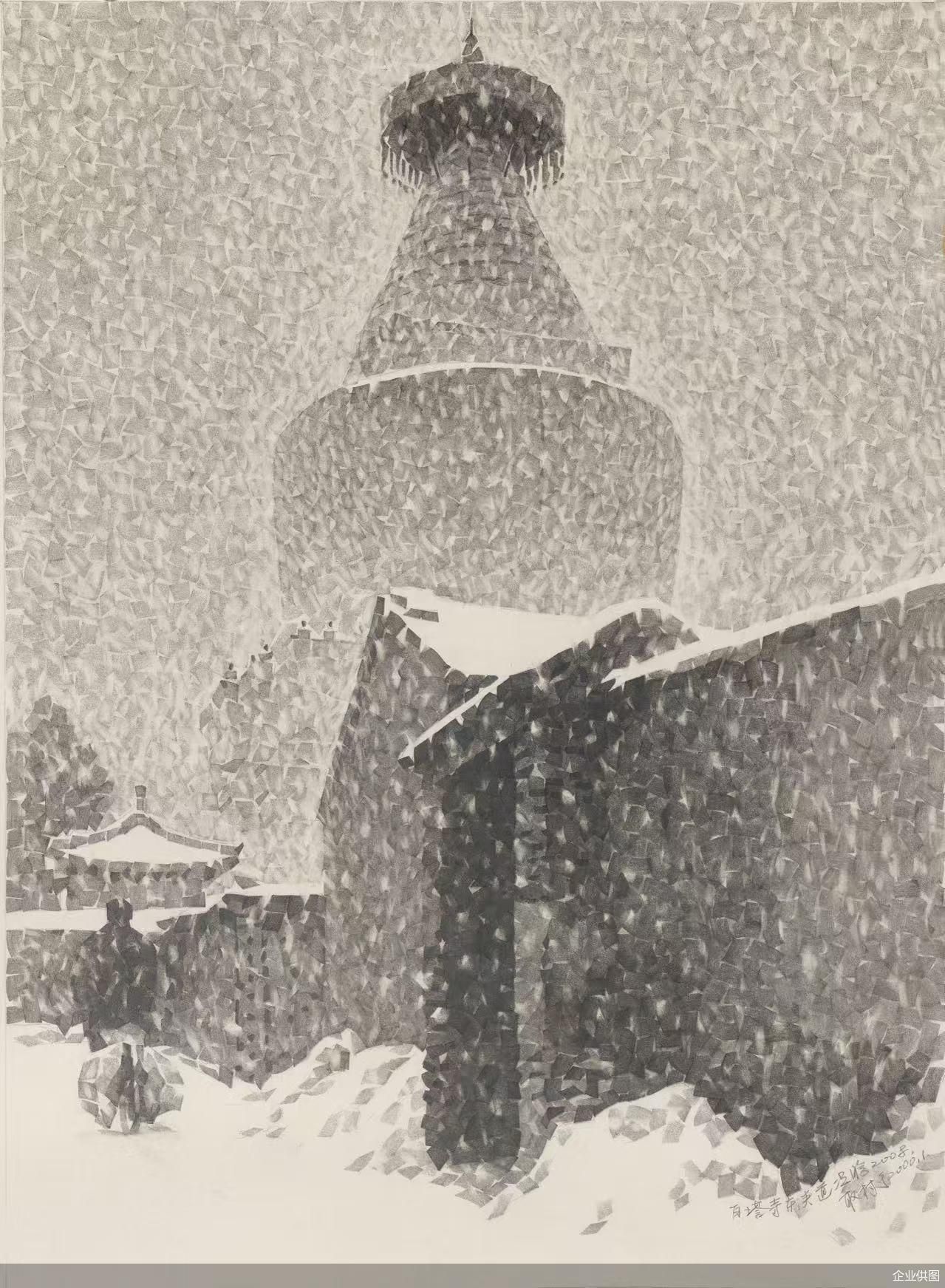
Core Perspective - The upcoming exhibition "Seeking the Soul's Home - Mr. Kuang Han's Hutong Painting Exhibition" will showcase nearly a hundred works by artist Kuang Han, reflecting his lifelong dedication to capturing the essence of Beijing's hutongs through wide pencil and watercolor mediums, creating a time corridor to old Beijing [1][5]. Group 1: Exhibition Details - The exhibition will take place from July 11 to August 3, 2025, at the former site of the Mongolian and Tibetan School in Xidan, Beijing [8]. - It will feature 77 works, including both wide pencil drawings and watercolor paintings [8]. Group 2: Artistic Significance - Kuang Han's works form a three-dimensional chronicle of Beijing's hutongs, showcasing the evolution from the 1990s to the new century, with a unique artistic language that combines the weight of oil painting, the transparency of watercolor, and the strength of printmaking [3][5]. - His art captures the vibrancy of life in the hutongs, depicting children playing, vendors, and elderly residents, thus breathing life into the architectural landscape [3][5]. Group 3: Cultural Context - The choice of the exhibition venue reflects a dialogue between the bustling commercial area and the tranquility of traditional architecture, aiming to encourage urban dwellers to pause and reflect on the cultural heritage of Beijing [5]. - Kuang Han's work serves as a visual archive of the city's history, contrasting the rapid urban development with the preservation of cultural memory [5][7]. Group 4: Personal Connection - Kuang Han's relationship with Beijing began in 1989, and he has dedicated 25 years to documenting the disappearing hutongs through thousands of photographs and hundreds of artworks [7]. - His commitment to preserving the memory of the hutongs is underscored by his desire to leave a legacy for future generations, emphasizing the importance of cultural heritage in the face of modernization [8].
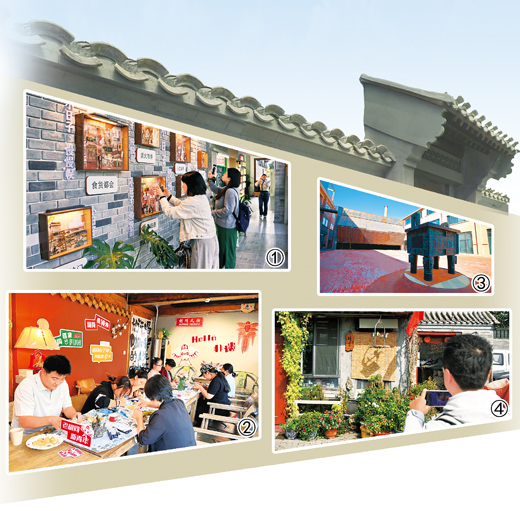
潮!北京胡同里的“网红打卡地”
Ren Min Ri Bao Hai Wai Ban· 2025-05-21 22:12
Core Viewpoint - Beijing is revitalizing its traditional hutongs, blending historical culture with modern creativity, making them popular cultural and tourist destinations [3][10][15] Group 1: Cultural Preservation and Revitalization - The city is committed to protecting over 1,000 existing hutongs as part of its "14th Five-Year Plan for the Protection and Development of Historical and Cultural Cities" [3][10] - Activities like the "Hear the Hutong" series aim to recreate the auditory memories of old Beijing, emphasizing the historical significance of hutongs [2][3] - The transformation of industrial sites into cultural creative parks, such as the 77 Creative Park, showcases the integration of modern functions while preserving historical aesthetics [9][10] Group 2: Culinary and Social Experience - Traditional food stalls in hutongs, like 增盛魁, continue to serve authentic Beijing breakfast, attracting both locals and tourists [4][5][6] - The vibrant atmosphere of hutongs is characterized by the mingling of sounds from food preparation and social interactions, creating a unique cultural experience [5][6] - The culinary offerings in hutongs are evolving, with new interpretations of traditional dishes that appeal to a diverse audience [14][15] Group 3: Artistic and Creative Spaces - The 93 Courtyard Museum and other cultural venues are becoming hotspots for experiencing traditional crafts and arts, promoting non-material cultural heritage [10][11] - The 77 Creative Park has become a cultural landmark, hosting various artistic events and attracting a younger demographic [9][10] - The integration of modern art and traditional culture is evident in venues like Blue Note Beijing, which hosts international jazz performances [12][13] Group 4: International Influence and Diversity - Hutongs are increasingly becoming spaces where international cultures intersect, with establishments offering diverse culinary experiences [14][15] - The presence of international artists and musicians in Beijing's cultural scene reflects the city's growing global appeal [12][13] - The blending of traditional and modern elements in hutongs creates a unique environment that resonates with both local and international visitors [15]