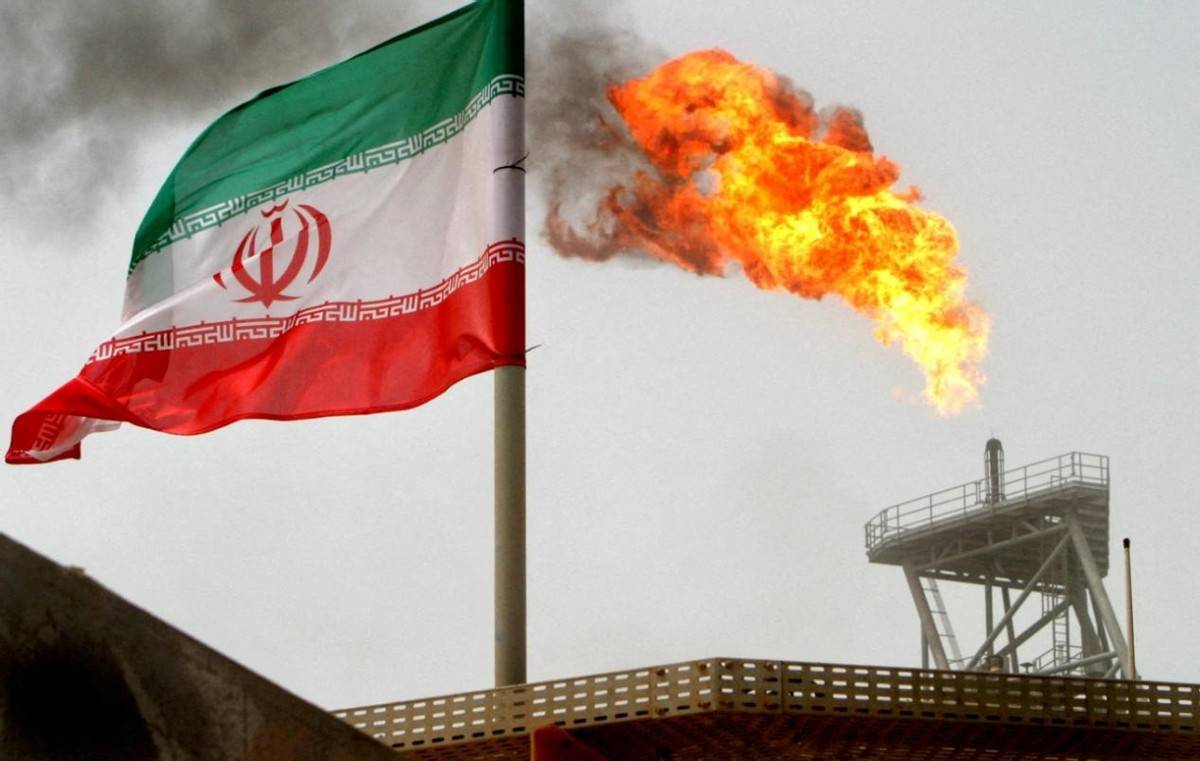
能源市场动荡

Search documents
周二开始“分阶段”推出措施,美国称有预案“缓解油价上涨”
美股IPO· 2026-03-03 00:45
Core Viewpoint - The U.S. government is set to announce a special plan to stabilize oil prices in response to market turmoil following military actions against Iran, with measures to be rolled out in phases [2][3][4]. Group 1: Oil Price Stability Plan - U.S. Secretary of State Rubio indicated that the plan will be officially announced by Treasury Secretary Basent and Energy Secretary Chris Wright, aimed at addressing the anticipated rise in oil prices due to geopolitical tensions [4]. - The plan is expected to be implemented in stages, with the government having foreseen the risk of rising oil prices as a variable impacting the market [4]. Group 2: Market Reactions and Geopolitical Tensions - Following the announcement of military strikes against Iran, U.S. crude oil futures saw a significant increase of over 6% in a single day, reflecting market concerns over supply disruptions [4]. - The Iranian Revolutionary Guard's claim of closing the Strait of Hormuz has escalated tensions, leading to fears of supply interruptions in the global oil market [6][8]. - The Strait of Hormuz is a critical chokepoint for global energy transportation, with over 20% of the world's oil and gas passing through this route, making its accessibility a key factor in determining short-term oil price trends [7][9].

伊朗为何边谈判边军演
Xin Lang Cai Jing· 2026-02-18 05:56
Core Viewpoint - The article discusses the simultaneous military exercises conducted by Iran in the Strait of Hormuz while indirect negotiations with the United States are ongoing, highlighting the tension between diplomatic efforts and military posturing [1] Group 1: Negotiations and Military Actions - Iran and the United States held the second round of indirect negotiations in Geneva on the 17th, amidst increasing military threats from the U.S. towards Iran [1] - The U.S. is deploying a second aircraft carrier strike group from the Caribbean to the Middle East, alongside sending dozens of fighter jets, including F-22, F-35, and F-16, to the region [1] Group 2: Details of Iranian Military Exercises - The Iranian Revolutionary Guard Corps Navy conducted military exercises in the Strait of Hormuz from the 16th to the 17th, showcasing capabilities such as "24-hour intelligence monitoring" and ensuring navigation safety [1] - The exercises included rapid response drills against potential threats, naval operations in electronic warfare environments, and the use of drones to target both fixed and moving objectives [1] Group 3: Strategic Implications - The military exercises serve a dual purpose: to demonstrate Iran's self-defense resolve and retaliatory capabilities, warning the U.S. of potential consequences if military action is taken [1] - Analysts suggest that if Iran were to block the Strait of Hormuz, it could lead to turmoil in global energy markets, potentially increasing oil prices and impacting U.S. inflation levels [1] - Gulf countries, including Saudi Arabia, Oman, and Qatar, have reportedly been lobbying the U.S. against military action towards Iran, emphasizing the potential repercussions on regional stability and the international oil market [1]
全球矿业研究 | 中国冶炼商或将投资印尼九成铝厂产能
彭博Bloomberg· 2025-09-17 06:05
Core Viewpoint - The global energy market is experiencing volatility due to rapid industry development, geopolitical tensions, and fluctuating supply and demand dynamics [1]. Group 1: Copper Demand in China - China's copper demand indicators have improved since the beginning of the year, driven by robust growth in home appliances, machinery output, and automobile sales, indicating the effectiveness of stimulus measures [3]. - The rebound in China's electric grid investment, the largest consumer of copper, is expected to support low single-digit growth in copper demand through 2025 [3]. - A significant decline in new solar and wind energy installations in June suggests that the momentum for renewable energy may weaken in the second half of the year [3]. Group 2: Glencore and BHP Financial Outlook - Following performance announcements, Glencore's net debt forecast for 2025 increased by $1.8 billion, reflecting the scale of the performance gap in the first half of the year and expectations of weaker future operating cash flow [6]. - Glencore's net debt to EBITDA ratio has risen above 1, making it one of the few diversified miners with leverage exceeding this level, alongside Anglo American, which has a higher ratio of 1.6 [6]. - Glencore's ability to pay additional dividends is limited unless net debt falls below $10 billion, indicating potential constraints on dividend payouts and large cash acquisition capabilities [6]. Group 3: Palladium Market Outlook - The continuous rise in electric vehicle sales and increasing supply of alternatives are expected to lead to a bleak mid-term outlook for palladium, with a market shift towards surplus anticipated from 2027 [9]. - Despite a projected decline in demand, risks in primary supply may maintain a significant gap in the short term, providing some downward price protection for palladium over the next 6 to 12 months [9]. - The premium of palladium over platinum has been eroded, making it difficult for prices to sustain above $1,200 per ounce, with refined demand expected to decline by 4-5% between 2025 and 2027 [9]. Group 4: Chinese Investment in Indonesian Aluminum Production - Chinese aluminum companies are shifting their smelting operations to Indonesia, benefiting from abundant bauxite reserves and a ban on unprocessed ore exports, with production expected to surge 6.2 times to 3.5 million tons between 2025 and 2028 [11]. - Major Chinese firms like Tsingshan Group and Nanshan Group are leading this investment, with projections indicating that Chinese enterprises will fund nearly 90% of Indonesia's total aluminum production capacity by 2028 [11]. - This transition, however, raises concerns about carbon emissions, as most Indonesian smelting plants rely on coal power, contrasting with China's hydropower-based green production [11].

以军空袭伊朗能源基础设施,霍尔木兹海峡或成终极武器
Sou Hu Cai Jing· 2025-06-17 14:09
Core Viewpoint - The recent Israeli drone attack on Iran's South Pars gas field has escalated tensions, potentially leading to significant disruptions in the international energy market due to expected retaliatory actions from Iran [1][3]. Group 1: Military Actions and Reactions - The Israeli military's strike on Iran's energy infrastructure is likely to provoke a strong response from Iran, which could destabilize the international energy market [1]. - Iran may resort to blocking the Strait of Hormuz as a strategic response if its energy supply chain is severely disrupted [3]. Group 2: Conditions for Iran's Response - Iran's energy supply chain must be completely incapacitated for it to consider a drastic measure like blocking the Strait of Hormuz [3]. - A significant outbreak of public anger in Iran, resulting from indiscriminate attacks on civilians, could lead to a unified decision to close the Strait as a means of retaliation [3]. - If Iran faces suffocating sanctions that cripple its economy, it may view blocking the Strait as a last resort to force negotiations [3]. Group 3: Historical Context and Implications - Historical precedents indicate that Iran has previously threatened to block the Strait but has refrained from doing so, reflecting an understanding of the severe consequences [5]. - The current geopolitical landscape, marked by escalating conflicts and stalled negotiations, increases the risk of Iran taking extreme measures, such as closing the Strait [5]. - Should Iran choose to block the Strait, it would trigger a significant surge in global oil prices, impacting the global economy profoundly [7].