
膳食指南

Search documents
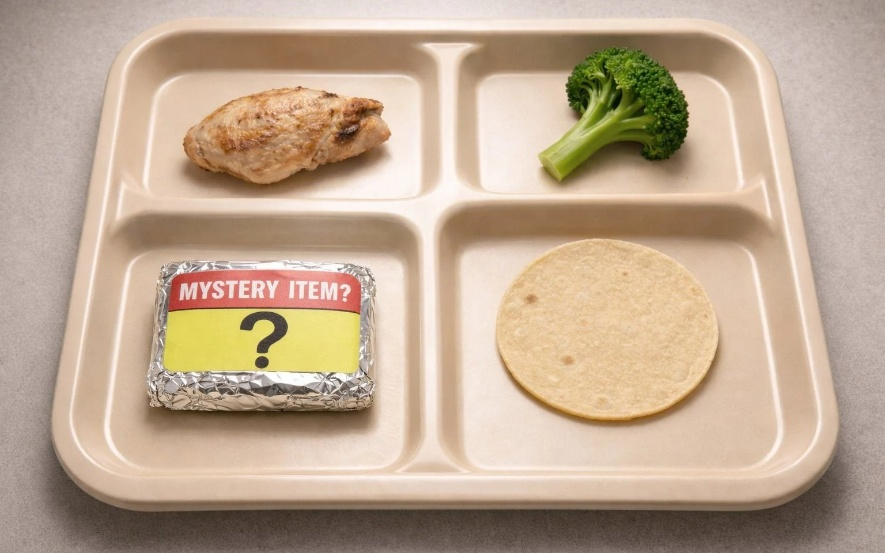
“一块鸡肉+西兰花+玉米饼……”美农业部长称美民众3美元可实现“一餐”,被批脱离现实
Huan Qiu Wang· 2026-01-16 06:32
Core Viewpoint - The U.S. Secretary of Agriculture, Brooke Rollins, suggested that a meal consisting of "a piece of chicken, a piece of broccoli, a corn tortilla, and one other item" can be affordable and align with the latest dietary guidelines, which has drawn significant criticism for being out of touch with the realities faced by ordinary Americans [1][5]. Group 1: Public Reaction - Rollins' comments were made during an interview with NewsNation, where she was questioned about how average Americans can afford to adjust their diets according to the updated food pyramid [3]. - The suggestion that a meal can cost around $3, based on over 1,000 simulations, has been met with ridicule, particularly from Democratic lawmakers who argue that the government is disconnected from the struggles of everyday citizens [5][8]. - Representative Ted Lieu highlighted that grocery prices have seen their largest increase in three years due to Trump's tariff policies, questioning the feasibility of Rollins' meal budget suggestion [6]. Group 2: Economic Context - The rising grocery prices have been a significant issue for American consumers, forcing many to alter their shopping habits as they face increased costs across the board [9]. - The OECD's economic outlook report indicates that U.S. tariffs are impacting the global economy and consumer prices, further complicating the financial situation for American households [9].

金字塔倒过来了?美国公布最新“干饭”指南,哪些要点值得我们的餐桌借鉴?
Xin Lang Cai Jing· 2026-01-14 14:28
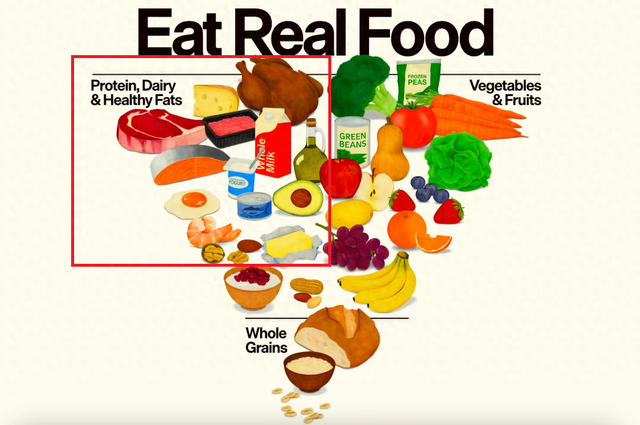
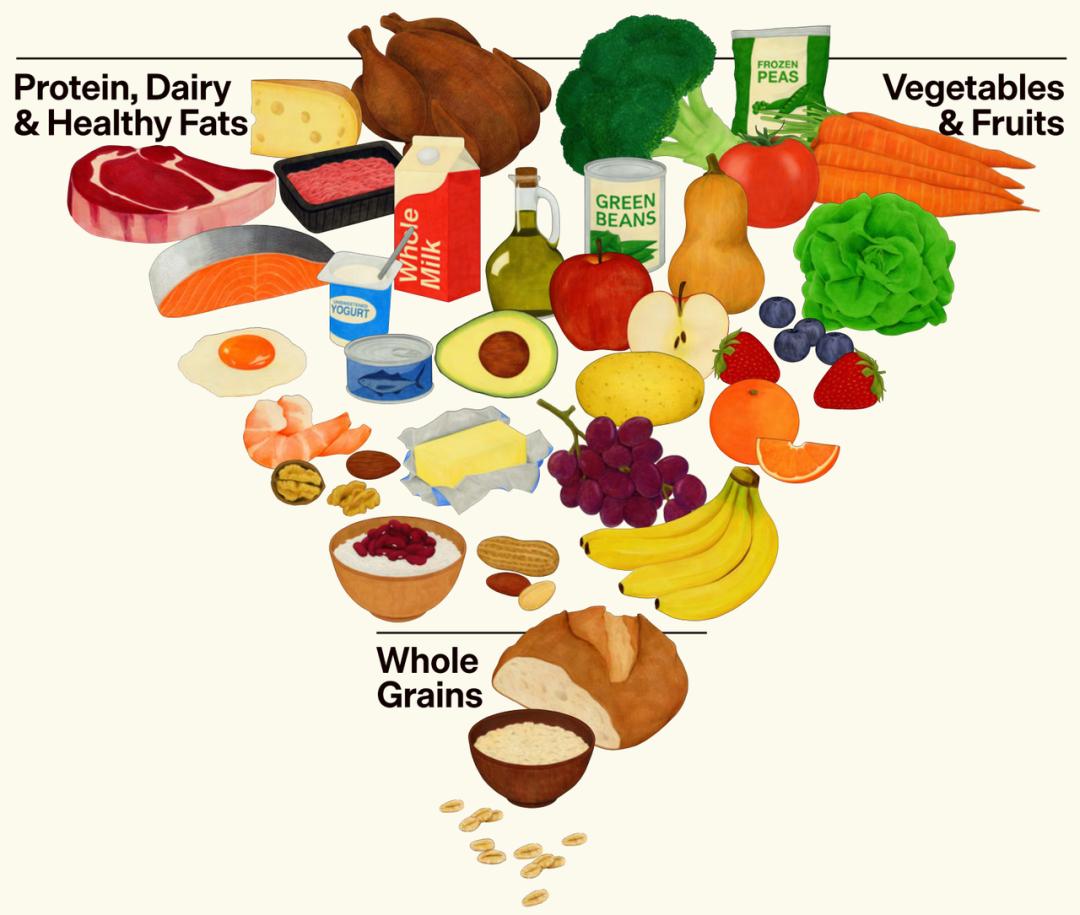
Core Viewpoint - The new dietary guidelines for 2025-2030 emphasize a return to natural foods, encouraging high-nutrient ingredients, home cooking, and reduced reliance on highly processed foods, reflecting the current issue of caloric excess rather than deficiency [1][2]. Group 1: Structural Changes in Guidelines - The new guidelines adopt an "inverted pyramid" structure, placing high-quality proteins, dairy, healthy fats, and fresh fruits and vegetables at the top, while whole grains are moved to the tip [2][4]. - This structural change highlights the dominant role of high-quality protein and significantly reduces the proportion of carbohydrates in energy intake [4]. Group 2: Recommendations on Food Choices - The guidelines strongly encourage the selection of nutrient-dense natural foods such as meat, eggs, dairy, and fresh produce, while drastically reducing the intake of processed foods and avoiding high-sugar foods and beverages [4][6]. - The new guidelines state that no added sugars should be consumed, especially prohibiting any added sugars for children under 10 years old, a stricter stance compared to the previous recommendation of limiting added sugars to 10% of total daily energy [4][6]. Group 3: Fat and Protein Intake Guidelines - The guidelines specify that saturated fat should not exceed 10% of total daily energy, recommending daily dairy intake of 250-500 milliliters for the general population, and 500-750 milliliters for pregnant women, nursing mothers, and adolescents [5][7]. - The recommended protein intake for adults has increased to 1.2-1.6 grams per kilogram of body weight per day, up from 0.8 grams, with specific recommendations for different demographics [6][7]. Group 4: Controversies and Individualization - There are some controversies regarding the application of the guidelines, suggesting that while the guidelines provide a general direction, food choices should be individualized [6]. - The guidelines recommend limiting red meat intake to no more than 70 grams per day and 500 grams per week to avoid excessive saturated fat and cholesterol intake [6].
膳食指南要随时代变化,但不能像美国这样变
3 6 Ke· 2026-01-14 08:05
Core Viewpoint - The latest U.S. Dietary Guidelines for 2025-2030 have been described as the most significant change in federal nutrition policy history, emphasizing that dietary recommendations should evolve with societal changes and health needs [1][6]. Summary by Sections Overview of the New Guidelines - The new guidelines are characterized by contradictions, with some recommendations aligning with previous versions, such as limiting saturated fat intake to no more than 10% of total daily calories and encouraging the consumption of whole grains while reducing refined carbohydrates [3][6]. - Notably, the guidelines have controversially reversed the previous food pyramid, placing red meat and full-fat dairy at the top and suggesting prioritizing protein intake at each meal, which contradicts the guideline's own recommendations on saturated fat [3][6]. Historical Context - This is the 10th edition of the U.S. Dietary Guidelines, first published in 1980 and updated every five years, serving as a global benchmark for dietary recommendations [6]. - The evolution of these guidelines reflects changes in national history and public health, transitioning from addressing nutritional deficiencies to focusing on chronic disease prevention [6][8]. Key Changes and Controversies - The guidelines have sparked significant debate within the scientific community, with some experts expressing concerns over the potential health risks associated with the new recommendations, particularly regarding increased meat and dairy consumption [2][3]. - Other contradictory suggestions include varying recommendations for protein, dairy, and grain intake, as well as guidelines on processed foods and alcohol consumption [3][6]. Comparison with Other Countries - Similar to the U.S., other countries, including China, have adapted their dietary guidelines over time to reflect current nutritional needs and health trends, emphasizing the importance of a balanced diet [5][15][20].
严重误导:每天吃点猪油,有助控体重和慢性炎症?
虎嗅APP· 2025-12-24 14:16
Core Viewpoint - The article critiques the media's reporting on a study suggesting that lard is beneficial for health, emphasizing the need for careful interpretation of scientific research and the potential for misrepresentation by journalists [5][6]. Group 1: Study Evaluation - The study in question is published in a reputable journal but is an unedited version that has not undergone peer review, raising concerns about its reliability [9]. - The research involved a small sample size of mice and compared three types of fats: lard, camellia seed oil, and peanut oil, with lard showing some benefits, though not significantly [9][10]. - The experimental design and the specific dietary compositions of the mice are crucial, yet often overlooked by media reports [9][10]. Group 2: Dietary Insights - Current dietary data indicates that the average energy intake for Chinese residents is approximately 2250 kcal per day, with fat contributing about 35%, equating to around 90 grams of fat daily [11][12]. - The recommended daily cooking oil intake is 25-30 grams, suggesting a discrepancy with the average consumption, which is about 40-50 grams [12]. - The article argues that the study inadvertently supports existing dietary guidelines that recommend reducing cooking oil intake, rather than promoting the use of lard [12]. Group 3: Media Responsibility - The article criticizes media outlets, particularly state media, for sensationalizing scientific findings and misrepresenting research conclusions [12][13]. - It highlights the importance of responsible science communication, advocating for accuracy and patience in disseminating health-related information [13].

消息人士:新的美国膳食指南可以包含简短的声明,鼓励美国人有限制饮酒或适度饮酒。
news flash· 2025-06-18 10:04
Core Viewpoint - The new U.S. dietary guidelines may include a brief statement encouraging Americans to limit or moderate their alcohol consumption [1] Group 1 - The guidelines aim to promote healthier lifestyle choices among the American population [1] - The potential inclusion of alcohol consumption recommendations reflects growing concerns about public health and wellness [1]