
舆论危机

Search documents
反复在“雷区”蹦迪,诸多品牌翻车事件教会了我们什么?
3 6 Ke· 2026-02-26 12:19
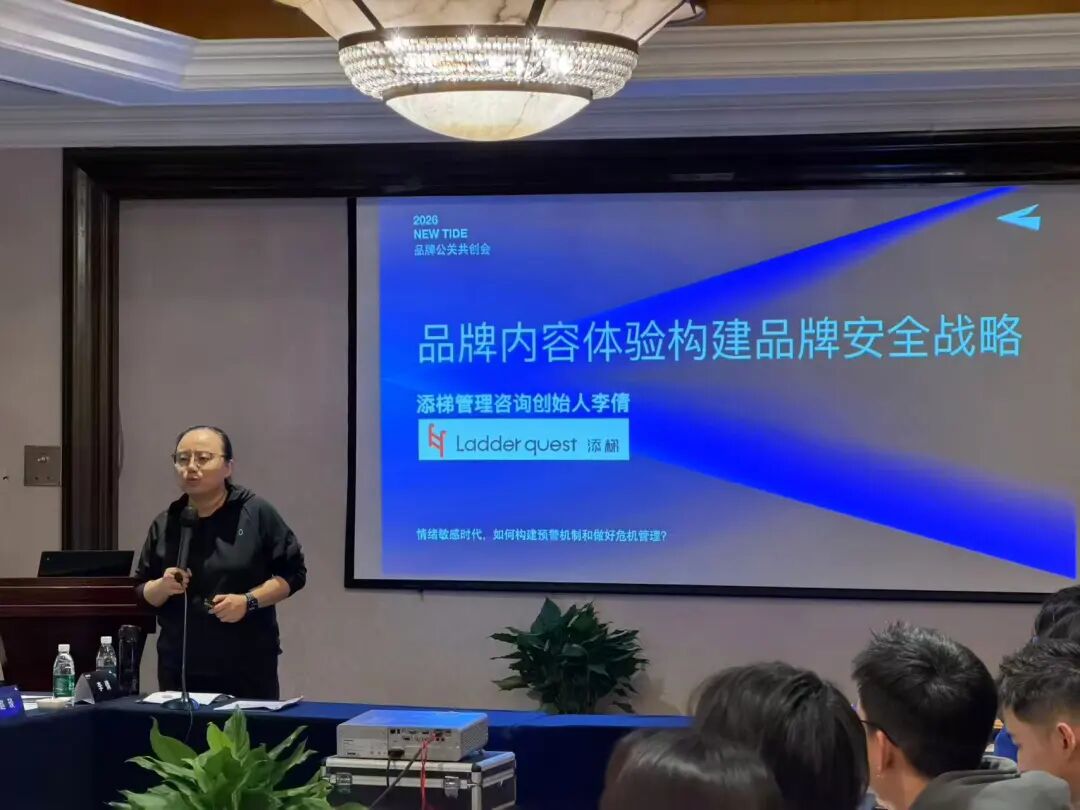
Core Insights - The consumer industry has not experienced the anticipated rebound over the past year, instead facing deeper challenges related to public communication and brand trust [1] - A significant increase in brand public relations crises has been observed, indicating a need for stronger crisis management capabilities [1] - The "2026 New Wave Brand Public Relations Co-Creation Conference" was initiated by 36 leading brands to address these challenges and develop brand safety strategies [1] Group 1: Current Industry Challenges - The industry is undergoing a profound test of values, with public trust and communication becoming critical issues beyond mere business operations and profits [1] - Brands are facing a high frequency of public relations incidents, which suggests a systemic failure in managing public perception and communication [1][4] - The complexity of public opinion has increased, making it difficult for brands to navigate and respond effectively to crises [5][19] Group 2: Characteristics of Public Relations Crises - Many public relations crises are preceded by warning signs that brands often overlook, indicating a need for better monitoring of public sentiment [25] - Misalignment between brand messaging and public perception can trigger crises, as seen in various incidents where brands failed to recognize the potential backlash [27] - Emotional and irrational responses from the public tend to dominate discussions during crises, complicating the resolution process [28][29] Group 3: Recommendations for Brand Management - Brands should adopt a more humble approach, focusing on collaboration rather than competition to foster a healthier industry environment [36] - Emphasizing common values and shared experiences can help brands connect better with their audience, reducing the likelihood of backlash [37][40] - Establishing a centralized management system for content and public relations can enhance brand safety and ensure consistent messaging across all platforms [42][44]

直击西贝“失血”调改:厨师长频频开会 后厨更忙了 餐厅更空了
Feng Huang Wang· 2025-10-10 02:09
Core Points - The article discusses the ongoing challenges faced by Xibei, a Chinese restaurant chain, in the wake of a public relations crisis related to its food safety and transparency issues [1][2][14] - Xibei has implemented changes to its menu and cooking practices, including the use of non-GMO soybean oil and in-house preparation of certain dishes, but customer traffic remains low [1][3][14] - The public's reaction to Xibei's situation reflects broader concerns about high-priced dining, food safety, and the transparency of information provided by restaurants [2][14] Summary by Sections Operational Changes - Xibei has modified nine core dishes to be prepared on-site and has switched to non-GMO soybean oil for cooking [1] - As of September 29, only one of the nine planned changes, the yellow rice cake, had not been completed [1] - The restaurant chain is actively recruiting staff to manage the increased operational demands due to these changes [10] Customer Experience - During a recent visit, Xibei's customer occupancy was around 10%, significantly lower than competitors in the same mall [3][4] - Despite promotional efforts, such as offering 100 yuan dining vouchers, customer turnout has not improved [5] - Customer feedback indicates a mix of loyalty and dissatisfaction, with some willing to return while others express disappointment in service quality [6][11] Employee Sentiment - Employees exhibit caution and uncertainty regarding the company's direction and customer interactions, reflecting the overall tense atmosphere within the restaurant [8][12] - Staff training has increased, focusing on operational details, but employees feel pressure to avoid mistakes [9][12] Public Relations and Market Perception - The public's scrutiny of Xibei has intensified, with the company struggling to effectively communicate with customers [2][14] - The crisis has highlighted a disconnect between Xibei's pricing and perceived value, leading to a sense of betrayal among customers [14][15] - Experts suggest that the focus should shift from punitive measures against Xibei to fostering a healthier dialogue about industry standards and practices [15]