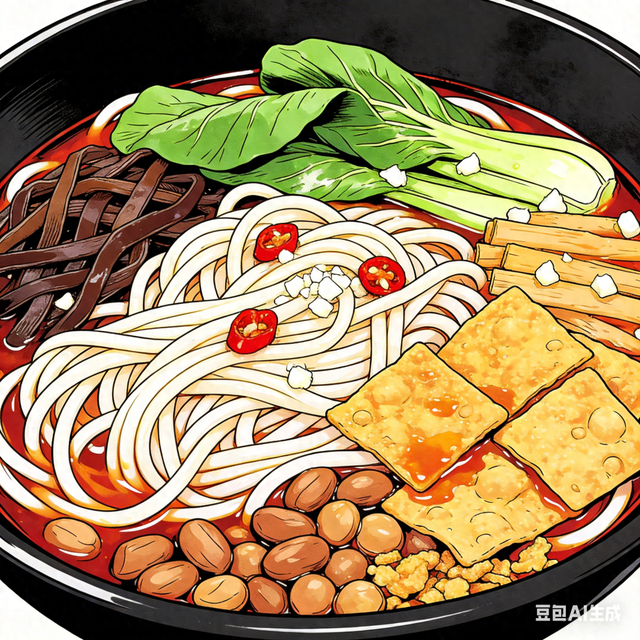
米粉

Search documents
反复在“雷区”蹦迪,诸多品牌翻车事件教会了我们什么?
3 6 Ke· 2026-02-26 12:19
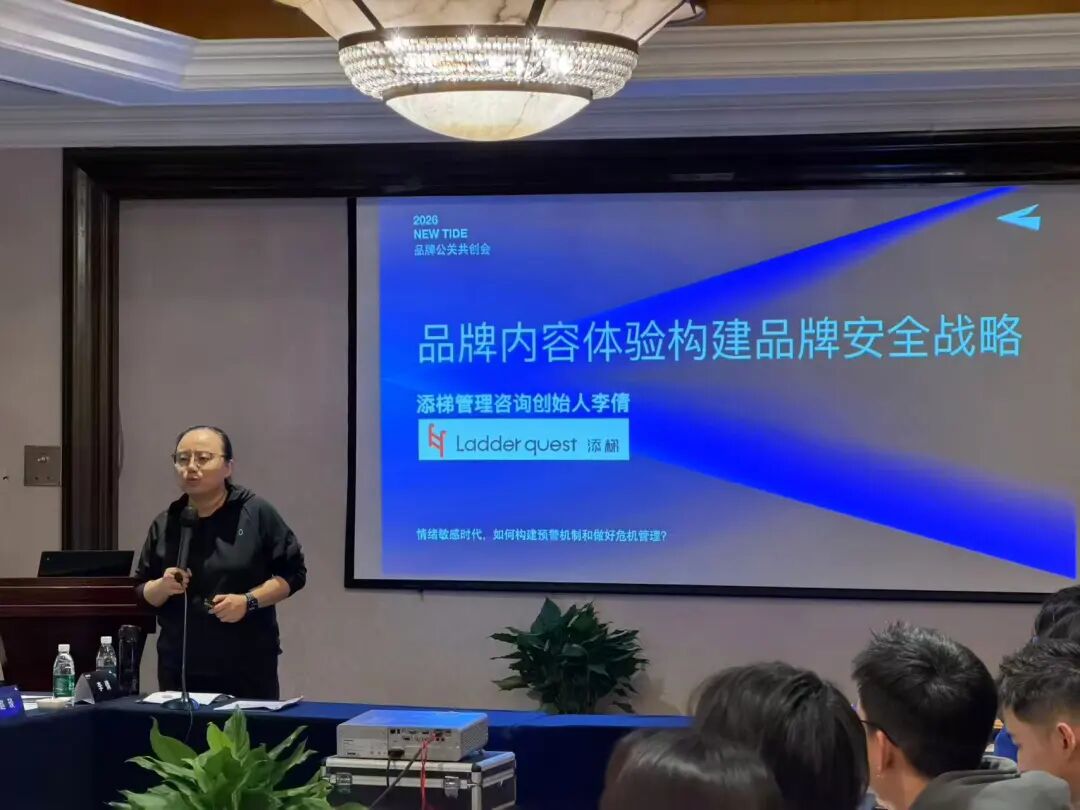
Core Insights - The consumer industry has not experienced the anticipated rebound over the past year, instead facing deeper challenges related to public communication and brand trust [1] - A significant increase in brand public relations crises has been observed, indicating a need for stronger crisis management capabilities [1] - The "2026 New Wave Brand Public Relations Co-Creation Conference" was initiated by 36 leading brands to address these challenges and develop brand safety strategies [1] Group 1: Current Industry Challenges - The industry is undergoing a profound test of values, with public trust and communication becoming critical issues beyond mere business operations and profits [1] - Brands are facing a high frequency of public relations incidents, which suggests a systemic failure in managing public perception and communication [1][4] - The complexity of public opinion has increased, making it difficult for brands to navigate and respond effectively to crises [5][19] Group 2: Characteristics of Public Relations Crises - Many public relations crises are preceded by warning signs that brands often overlook, indicating a need for better monitoring of public sentiment [25] - Misalignment between brand messaging and public perception can trigger crises, as seen in various incidents where brands failed to recognize the potential backlash [27] - Emotional and irrational responses from the public tend to dominate discussions during crises, complicating the resolution process [28][29] Group 3: Recommendations for Brand Management - Brands should adopt a more humble approach, focusing on collaboration rather than competition to foster a healthier industry environment [36] - Emphasizing common values and shared experiences can help brands connect better with their audience, reducing the likelihood of backlash [37][40] - Establishing a centralized management system for content and public relations can enhance brand safety and ensure consistent messaging across all platforms [42][44]

2026年中国餐饮行业报告:连锁化进程加速,加盟模式主导行业发展
Qin Ce Xiao Fei Yan Jiu· 2026-02-24 01:45
Investment Rating - The report indicates a positive investment outlook for the Chinese catering industry, highlighting the acceleration of chain operations and the dominance of the franchise model in industry development [6][22][60]. Core Insights - The Chinese catering industry is transitioning from "incremental competition" to "stock competition," with lower entrepreneurial barriers and a significant increase in the number of legal entities and employees in the sector [15][17]. - The market is characterized by a strong recovery post-pandemic, with a notable increase in revenue and a shift towards high-quality development driven by brandization and digitalization [20][33]. - The franchise model is becoming the primary growth driver, with a significant rise in chain penetration rates, particularly in the fast-food segment [60][62]. Summary by Sections Current State of the Chinese Catering Industry - The industry is experiencing a shift towards stock competition, with a notable increase in the number of legal entities from 26,359 in 2016 to 74,664 by 2024, and employees rising from 221.1 million to 360.5 million [17][20]. - The catering revenue reached approximately 57,982 billion yuan in 2025, accounting for 11.6% of the total retail sales, reflecting a 3.2% year-on-year growth [10][20]. Industry Chain Overview - The catering industry value chain includes upstream suppliers, food processing, and downstream service delivery, with a focus on ensuring food freshness and timely delivery [39][40]. - The supply chain is evolving towards quality enhancement and precision delivery, driven by increased competition in retail channels [44]. Fast Food Industry Status - The fast-food segment is witnessing accelerated chain development, with the chain penetration rate increasing from 19% in 2021 to 23% in 2024 [26][60]. - The market for Chinese fast food is projected to grow from 5,296 billion yuan in 2020 to 8,097 billion yuan in 2024, with a compound annual growth rate (CAGR) of 11.2% [57][58]. Consumer Spending Trends - The average consumer spending in the catering sector is dominated by low-price segments, with the 11-20 yuan range accounting for 32.7% of total outlets [30][32]. - The overall catering market is expected to grow from 39,527 billion yuan in 2020 to 83,348 billion yuan by 2030, with a CAGR of approximately 7.7% [33][35]. Challenges in Cost Management - The cost structure of catering businesses is heavily reliant on raw material procurement (42.1%), labor costs (22.2%), and rent (9.7%), which together account for nearly 75% of total revenue [49]. - The industry is facing new challenges in cost management, shifting focus from traditional hard costs to managing rising labor and digital channel expenses [47][49].
春节假期,游客会在机关食堂吃到哪些菜品
Xin Lang Cai Jing· 2026-02-19 15:49
Core Viewpoint - The opening of government canteens to the public during the Spring Festival is a warm expression of putting people first and a vivid embodiment of the "People's City" concept [1][6]. Group 1: Government Canteen Initiatives - In Yongzhou, Hunan Province, the government canteen opened to the public from the 28th day of the lunar month to the 15th day of the new year, offering local dishes at an average cost of 15 yuan per person [2]. - In Dunhuang, Gansu Province, the government canteen will be open from February 15 to February 23, providing a self-service breakfast for 10 yuan and lunch for 20 yuan, with discounts for children [3][4]. - The Dunhuang canteen offers a variety of dishes, including 15 breakfast items and 18 lunch items, emphasizing affordable and quality meals for visitors [4]. Group 2: Visitor Experience and Feedback - Visitors to the canteens have expressed satisfaction with the affordable meal options, highlighting the value of the 20 yuan meal packages in places like Zizhong County, Sichuan [5]. - The initiative to open government canteens during the holiday period has been positively received, with comments indicating it addresses dining challenges for tourists [5][6].
“赣字号”农产品加速出海
Sou Hu Cai Jing· 2026-02-18 00:59
Core Insights - The province's agricultural product exports are projected to reach $640 million by 2025, marking an 11.1% increase from the previous year, with a consistent two-digit growth for 12 consecutive months, surpassing the national average growth rate of 9.9% and the provincial goods export growth rate of 9.8% [1] - The export structure is improving, with the number of agricultural export markets expanding to 144 countries and regions, adding 8 new markets, and showing significant growth in 71 countries, with 5 countries exceeding 500% growth and 25 countries exceeding 100% growth [1] - Emerging markets such as ASEAN, Central Asia, and Russia are becoming new engines for export growth [1] Market Expansion Initiatives - The "Ganjin Products Going Global" initiative is being effectively implemented, with a focus on high-quality agricultural international trade development, supporting agricultural enterprises to participate in overseas exhibitions [2] - A special fund of 17.55 million yuan has been established to support 100 provincial-level agricultural international trade entities in expanding into international markets and participating in over 40 key domestic and international exhibitions [2] - The number of agricultural foreign trade enterprises in the province is expected to reach 498 by 2025, a 20.9% increase, with 388 of these being agricultural export enterprises, accounting for 77.9% [2] Future Development Strategies - The provincial agricultural and rural affairs department plans to deepen collaboration with commerce, customs, and tax departments to convert policy advantages into development dividends [3] - Focus will be on cultivating leading industry chains and dynamic provincial-level quality entities, supporting enterprises in technological upgrades and high-value product development to enhance trade volume, corporate profits, and farmers' income [3] - The strategy includes leveraging international friendship cities and overseas business associations to accelerate brand internationalization and developing "cross-border e-commerce + overseas warehouses" to align Jiangxi agricultural products with international demand [3]

车间变景点,“工厂游”成新潮流
Xin Lang Cai Jing· 2026-01-31 20:32
Core Insights - The rise of "factory tours" has become a popular trend among tourists, offering unique experiences that blend industrial production with cultural tourism [2][3][4] Group 1: Popularity and Experience - Tourists are increasingly drawn to factory tours for their immersive experiences, such as witnessing automated production lines and engaging with cutting-edge technology [3][4] - Factory tours provide educational value, allowing visitors, especially children, to learn about production processes and technology in a hands-on manner [3][4] - The integration of dining services and creative products in factory tours enhances visitor engagement and satisfaction [3][4] Group 2: Industrial Tourism Growth - The industrial tourism sector is projected to grow at an annual rate of 18%, with the market size expected to exceed 300 billion yuan by 2029 [12] - The Chinese manufacturing industry, with its comprehensive and advanced industrial system, supports the growth of factory tours, showcasing the country's strength in various industrial products [9][12] - The government is actively promoting high-quality development in industrial tourism, encouraging the integration of tourism, shopping, and experiential activities [12][13] Group 3: Challenges and Future Directions - Some factory tours face challenges such as lack of interactive experiences and insufficient technological appeal, which may deter visitor interest [10] - Experts suggest that enhancing scene innovation and balancing safety, experience, and environmental costs will be crucial for the future attractiveness of factory tours [12][10] - The application of advanced technologies like AI, virtual reality, and augmented reality is expected to further enrich the immersive experience of factory tours [12]

一碗朴素的刨猪汤,何以打动无数人心?
Xin Lang Cai Jing· 2026-01-24 20:40
Core Insights - The article highlights the rising trend of traditional Chinese cultural events, such as pig slaughter feasts, attracting significant tourist interest and participation, exemplified by a recent event in Chongqing's Hechuan district that drew thousands of visitors [1][2][4] Group 1: Event Impact and Participation - The pig slaughter feast in Chongqing's Qingfu Village became a viral sensation, with a video post garnering 80 million views and leading to over 10,000 live viewers during the event [1][2] - Similar events, like the "thousand-person banquet" in Sichuan, have attracted nearly 300,000 visitors and generated over 300 million yuan in tourism revenue [2] - The local government implemented a "flexible management + precise service" plan to handle the unexpected influx of tourists, ensuring public order and service quality [1][4] Group 2: Cultural and Emotional Connection - The appeal of these events lies in their ability to create emotional connections and provide immersive experiences rooted in local traditions, fulfilling modern desires for authenticity and social interaction [6] - Participants expressed that these gatherings serve as a form of "spiritual homecoming," emphasizing the importance of community and shared experiences [2][6] Group 3: Economic and Tourism Development - From January 11 to 16, the pig slaughter event led to the establishment of 27 experience points, receiving over 8,000 visitors daily and promoting local products, thus converting online traffic into tourism consumption [5] - The local tourism authority actively promoted the event by distributing free tickets to attractions and creating promotional materials, effectively leveraging the event to boost local tourism [4][5] Group 4: Challenges and Future Considerations - While many regions are eager to replicate the success of the Chongqing event, some have faced challenges such as overcrowding, food safety concerns, and inadequate emergency response capabilities, leading to cancellations [6] - Experts warn against blindly imitating successful events without understanding local cultural contexts, emphasizing the need for unique, sustainable, and engaging local activities to maintain visitor interest [6]
2026年中国婴童辅零食行业报告——喂养观念革新,婴童零辅食迈入“刚需时代”
Qin Ce Xiao Fei Yan Jiu· 2026-01-20 05:20
Investment Rating - The report indicates a positive investment outlook for the Chinese infant complementary food industry, highlighting its transition into a "necessity era" driven by changing feeding concepts and increasing consumer awareness [15]. Core Insights - The market for infant complementary foods is experiencing significant growth, with the penetration rate for complementary foods among infants aged 6 months to 6 years expected to rise from 36.8% in 2020 to 52.2% by 2029 [15]. - The overall market size for infant complementary foods is projected to grow from 36.2 billion yuan in 2020 to 45.9 billion yuan in 2024, with a compound annual growth rate (CAGR) of 6.1% [20]. - The industry is characterized by a fragmented competitive landscape, with the top five companies holding only 14.2% of the market share, indicating substantial room for growth and consolidation [61]. Summary by Sections Current Status of the Industry - The infant complementary food market is shifting from a focus on basic nutritional needs to a more scientific and refined approach, with increasing demand for specialized products [53]. - The market is divided into three main categories: staple foods, snacks, and seasonings, with staple foods maintaining a stable growth trajectory [21]. Competitive Landscape - The competitive landscape is highly fragmented, with numerous players and varying growth dynamics among leading companies [61]. - The leading company, Ying's, achieved a transaction total of 2.6 billion yuan in 2024, capturing 5.7% of the market share [61]. Market Drivers - Rising health consciousness among consumers is driving demand for high-quality infant complementary foods, with parents increasingly willing to invest in premium products [25]. - The integration of online and offline sales channels is enhancing consumer access and education regarding infant nutrition [26]. Trends and Innovations - The report highlights a trend towards personalized nutrition solutions and the use of technology to enhance supply chain efficiency and product freshness [37]. - Companies are increasingly focusing on product innovation to meet diverse consumer needs, including convenience and health [28]. Future Outlook - The market is expected to continue its growth trajectory, with the infant complementary food market projected to reach 60.5 billion yuan by 2029, driven by evolving consumer preferences and increased spending on high-value products [20]. - The report anticipates that the demand for organic and high-end products will create a competitive edge for brands that can establish a strong market presence [88].
人这一辈子,一定要去一趟合川!
Xin Lang Cai Jing· 2026-01-16 00:32
Group 1 - The article highlights the cultural and culinary significance of Hechuan, a district in Chongqing, where a local event featuring a traditional pig feast attracted numerous visitors, showcasing the region's rich heritage and community spirit [1][3][5] - Hechuan is described as a historical and cultural hub, known for its unique geographical features where three rivers converge, contributing to its historical importance and vibrant local culture [12][14][18] - The article emphasizes the development of Hechuan's tourism, particularly through the promotion of historical sites like Diaoyu City, which is undergoing efforts to enhance its cultural heritage and tourism appeal [18][20][36] Group 2 - Hechuan's economy is diversifying with a focus on modern industries, including the production of intelligent connected vehicle parts and hot pot ingredients, which are significant contributors to the local economy [50][54][60] - The district has established a complete industrial chain for hot pot ingredients, with over 100 processing enterprises generating an annual output value exceeding 5 billion yuan, highlighting its role as a key player in the regional food industry [54][56] - Hechuan is actively integrating into broader economic initiatives, such as the Chengdu-Chongqing economic circle and the Western Land-Sea New Corridor, aiming to enhance its connectivity and economic growth [60]

2025年婴幼儿辅食零食电商消费趋势
知行战略咨询· 2026-01-14 14:06
Investment Rating - The report does not explicitly provide an investment rating for the infant complementary food and snacks industry Core Insights - The infant complementary food and snacks market is designed for infants aged 6 months to 3 years, focusing on nutritional supplementation, chewing ability development, and self-feeding guidance through a tiered nutritional system and innovative textures [5] - The e-commerce sales of infant complementary food and snacks have been unable to surpass 8 billion, with a projected growth of only 14.6% in 2024, indicating a market ceiling that remains unbroken despite the rise of content e-commerce platforms like Douyin [7][8] - The overall sales in the infant complementary food and snacks sector are declining, with specific categories like mixed puree and cheese experiencing significant drops in sales [11][14] Summary by Sections E-commerce Sales Performance - The total e-commerce sales for infant complementary food and snacks have remained below 8 billion for the past three years, with 2022 sales at 39.92 billion, 34.86 billion in 2023, and projected 33.67 billion in 2024 [8] - The market share of major platforms shows Tmall leading with 51.0% in 2022, followed by JD at 43.8% and Douyin at 31.1% [9] Category Performance - Key product categories include rice flour, biscuits, mixed puree, and cheese, with rice flour and biscuits maintaining stable sales while other categories face declines [6][11] - In 2024, rice flour is projected to generate 610 million with a growth rate of 0.5%, while biscuits are expected to reach 608 million with a slight decline of 0.5% [13] Brand Rankings - The leading brands in the infant complementary food and snacks market include Engnice with sales of 5.43 billion and a growth rate of 27.0%, followed by Akita Manman and Grandpa's Farm [22][23] - Notable growth is seen in brands like Baby's Consultant and Beazero, with significant increases in sales [22][23] Market Trends - The report highlights a trend of declining sales across various categories, with some products like baby cheese and mixed puree experiencing drops of over 50% [14][19] - Emerging categories such as baby buns show remarkable growth, with a projected increase of 306.5% in 2024 [18][19]
这种很多人爱吃的主食,比米饭GI低,对减肥党友好
Xin Lang Cai Jing· 2026-01-12 10:43
Core Viewpoint - Rice noodles are not the "culprit" for weight gain and can be friendly for weight loss due to their low glycemic index (GI) and other beneficial properties [1] Group 1: Glycemic Index and Satiety - The glycemic index (GI) measures the blood sugar response after eating; lower GI foods lead to more stable blood sugar levels and prolonged satiety [4] - Most rice noodles have a GI value between 55 and 70, with some high-quality varieties as low as 30 to 40, making them typical low-GI foods [4] - Combining rice noodles with vegetables, meat, and eggs can further lower the overall GI, enhancing blood sugar control [4] Group 2: Starch Composition and Processing - The processing of rice noodles includes a "starch aging" step, which results in a higher proportion of amylose starch that slows glucose release and extends satiety [6][7] - This aging process allows starch molecules to rearrange, creating a firmer texture that is less easily digested, thus reducing rapid blood sugar spikes [7] - Some amylose starch is not fully digested in the small intestine and reaches the large intestine, serving as food for gut bacteria, which helps regulate gut flora without contributing to caloric intake [9] Group 3: Production Methods and Recommendations - The content of amylose starch in rice noodles depends on the production process and the type of rice used; noodles made with a second aging process and high-amylose rice show more pronounced weight-friendly properties [11] - Recommendations for enjoying rice noodles include pairing them with ample vegetables and quality proteins, avoiding heavy oils and salts, and controlling portion sizes [12][14]