航天工业化

Search documents
巴菲特谢幕、OpenAI搅动万亿市值、谷歌强势崛起......2025全球十大商业事件盘点
美股研究社· 2025-12-29 12:13
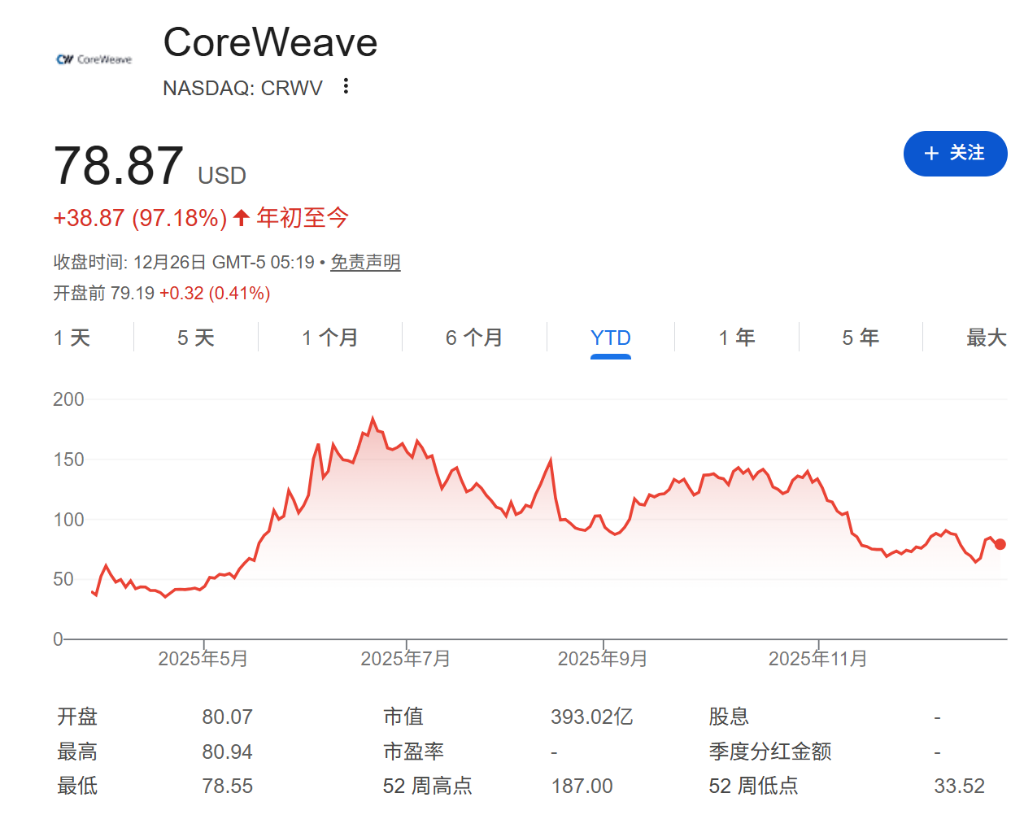
Group 1 - The core theme of the article revolves around significant business events in 2025 that have reshaped the technology landscape, capital logic, and the direction of the era, highlighting the rise of AI competition and strategic alliances among major players [3][5][6]. - The U.S. government announced a $500 billion investment in AI infrastructure through the "Stargate" project, aiming to build 20 large-scale AI data centers, although the project faced delays and funding challenges [7][9]. - CoreWeave's IPO marked a pivotal moment for AI computing power rental, with its valuation soaring to approximately $230 billion, demonstrating the market's recognition of AI as a service [10][12][14]. - NVIDIA became the world's first company to reach a market capitalization of $5 trillion, driven by the surging demand for GPUs in AI applications, with its stock price increasing by about 90% over six months [29][31][32]. Group 2 - The article discusses the strategic partnership between NVIDIA and Intel, where NVIDIA invested $5 billion to strengthen its position in the CPU market, indicating a shift from competition to collaboration in the AI era [15][17][19]. - OpenAI, despite not being publicly listed, emerged as a significant market influencer, with its activities causing substantial fluctuations in stock prices across the AI sector [21][23][26]. - Germany's decision to revise its 2035 ban on internal combustion engines reflects the tension between aggressive transformation goals and market realities, allowing traditional industries more time to adapt [4][44][45].


巴菲特谢幕、OpenAI搅动万亿市值、谷歌强势崛起......2025全球十大商业事件盘点
Hua Er Jie Jian Wen· 2025-12-28 06:09
Group 1 - The "Stargate" project, a $500 billion investment in AI infrastructure, was announced by the White House, aiming to build 20 large-scale AI data centers across the U.S. [2][3] - Initial enthusiasm for the project waned as disagreements over equity and funding emerged between SoftBank and OpenAI, leading to delays and a reduction in project scope [3][4] - By December, only the Abilene site showed significant progress, with plans to become the largest AI cluster by mid-2026, while other sites remained unconfirmed [3][4] Group 2 - CoreWeave went public with a valuation of approximately $230 billion, marking the first public market pricing of AI compute leasing [4][7] - The company transitioned from a cryptocurrency mining operation to a GPU cloud service, securing long-term contracts with major clients, including OpenAI [7][8] - CoreWeave's success has prompted similar companies to pursue IPOs and has changed the perception of compute power from a scarce resource to a flexible asset [8] Group 3 - NVIDIA became the first company to reach a market capitalization of $5 trillion, driven by the demand for GPUs in AI applications [20][22] - The company's stock price surged approximately 90% over six months, reflecting its pivotal role in the AI market [22][23] - Concerns about the sustainability of NVIDIA's valuation have emerged, drawing parallels to the dot-com bubble [22][23] Group 4 - Warren Buffett announced his retirement in his final letter to shareholders, marking the end of an era for Berkshire Hathaway [24][25] - Buffett emphasized the importance of long-term thinking in business and criticized the competitive nature of executive compensation [25][26] Group 5 - SpaceX completed 155 launches in 2025, redefining the concept of scalable space operations [26][27] - The company achieved significant cost reductions through reusable rocket technology, transforming rockets into "turnaround assets" [27][28] - SpaceX is moving towards an IPO, signaling a shift from engineering marvels to industrial-scale operations in commercial space [30] Group 6 - Germany revised its 2035 ban on internal combustion engines, allowing for a transition period that reflects market realities [31][32] - The decision was influenced by lobbying from major automotive companies and highlighted the gap between aggressive climate goals and actual market conditions [31][32] Group 7 - Alphabet's market capitalization rose to $3.8 trillion, driven by advancements in AI technology and a focus on self-developed chips and models [34][36] - The company aims to challenge NVIDIA's dominance by enhancing the compatibility of its TPU with popular frameworks and directly selling its hardware [34][35] - The competition in AI is shifting towards cost efficiency and usability, with Alphabet positioning itself as a potential leader in the new AI platform landscape [35][36] Group 8 - NVIDIA acquired Groq's core technology for approximately $20 billion, emphasizing the importance of low-latency inference capabilities in AI [37][39] - This strategic move reflects a shift in focus from training to inference, as companies seek to optimize costs and efficiency in AI applications [39]