
航运业脱碳转型

Search documents
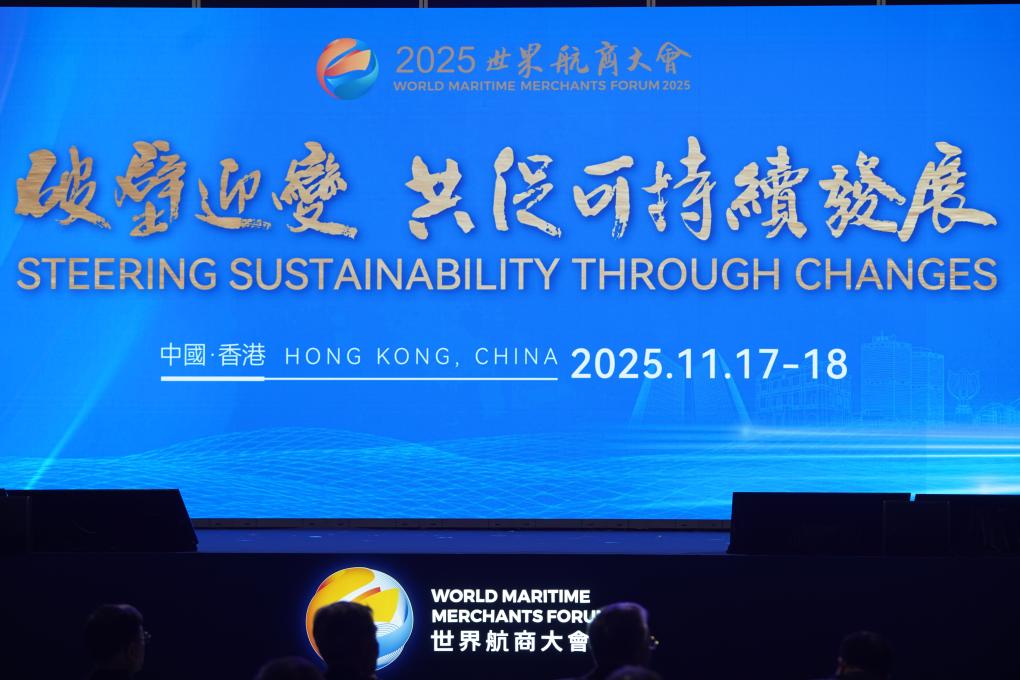
综述:内联外通 聚力赋能——香港助力全球航运业脱碳转型
Xin Hua Wang· 2025-11-20 09:13
Core Viewpoint - The 2025 World Shipping Conference highlighted the need for dialogue and cooperation in addressing the shipping industry's challenges, including decarbonization, geopolitical impacts, and crew shortages, with Hong Kong positioned as a stabilizing force in the global shipping landscape [1] Group 1: Hong Kong's Role in Global Shipping - Hong Kong serves as a critical hub connecting mainland China and international markets, leveraging its geographical advantages, quality investment environment, and legal framework to attract global shipping enterprises [2][3] - The city has maintained its position as the fourth largest international shipping center for six consecutive years, hosting over 1,200 port and maritime-related companies [2] - Hong Kong's financial capabilities, including its status as the third-largest financial center globally, provide essential capital support for the shipping industry's development [2] Group 2: Green Transition Initiatives - Hong Kong is actively pursuing a green transition in its ports, having invested nearly 200,000 tons in green fuels and preparing for methanol bunkering to meet the International Maritime Organization's 2050 net-zero emissions target [4][6] - Legislative changes have expanded the types of bunkering fuels to include liquefied natural gas and methanol, facilitating the transition to greener alternatives [4] - The Hong Kong government is implementing a "Green Incentive Program" to financially support compliant vessels, demonstrating responsiveness to industry needs [4][6] Group 3: Collaborative Efforts for Decarbonization - The global nature of the shipping industry necessitates breaking down regional barriers and fostering global collaboration for effective decarbonization [7] - Hong Kong is establishing partnerships with ports in mainland China and Chile to enhance cooperative efforts in the shipping sector [8] - The city aims to integrate its financial advantages with mainland China's alternative fuel production capabilities to create a comprehensive production-financing-application chain [8]

期待香港发挥枢纽作用 赋能全球绿色航运——专访国际航运公会主席格里马尔迪
Xin Hua She· 2025-11-20 02:27
Core Viewpoint - Hong Kong possesses unique competitive advantages in the green shipping sector, positioning itself as a promising center for green marine fuel supply and trading, crucial for the decarbonization of the shipping industry [1][2]. Group 1: Hong Kong's Role in Green Shipping - Hong Kong is recognized as one of the world's top four international shipping centers, characterized by its advanced port facilities, a diverse group of shipowners, and a mature maritime service ecosystem [1]. - The city is expected to play an indispensable role in the global shipping industry's transition towards decarbonization, supported by its open and collaborative approach [1][3]. - The ongoing "Hong Kong Maritime Week 2025" serves as a significant opportunity for the shipping industry to enhance communication and build cooperative bridges, reaffirming support for open free trade and a shared commitment to decarbonization [1]. Group 2: China's Contribution to Green Fuel - China, as the world's largest shipbuilding nation, has made significant advancements in new fuel technologies, including methanol, ammonia, and hydrogen, providing critical opportunities for the global shipping industry [2]. - The country’s ports are equipped to offer specialized new fuel supply services, which is essential for the shipping corridors that facilitate global trade [2]. Group 3: Challenges in the Shipping Industry - The global shipping industry faces a shortage of approximately 100,000 seafarers, with about 200,000 currently employed, necessitating skill upgrades and retraining for around 40% of seafarers to ensure safety [2]. - China's large population can help alleviate the potential worsening of the seafarer shortage, supported by a robust labor force and a clear training direction for green shipping [2]. Group 4: Policy and Collaboration - The decarbonization of the shipping industry relies heavily on clear policy direction, with Hong Kong's government actively engaging with the industry through policy guidance, regulatory optimization, and tax incentives [3]. - Hong Kong's unique positioning under the "One Country, Two Systems" framework allows it to leverage its connection to the mainland and enhance its status as an international shipping center [3]. - There is an expectation for continuous upgrades to port facilities and shore power infrastructure, along with collaboration with other ports in the Guangdong-Hong Kong-Macao Greater Bay Area to facilitate energy transition [3].