
良性通胀循环

Search documents
利率水平创30年来新高,日本央行如期加息25个基点
Sou Hu Cai Jing· 2025-12-19 03:35
Group 1 - The Bank of Japan has raised the benchmark interest rate to its highest level in 30 years, increasing the overnight lending rate by 0.25 percentage points to 0.75% [1] - This decision aligns with market expectations and follows a series of rate hikes, marking the first increase in 11 months since January 2025 [1] - The core CPI excluding fresh food rose by 3.0% year-on-year in November, matching market expectations and remaining stable compared to October [1] Group 2 - In March 2024, the Bank of Japan ended its decade-long negative interest rate policy by raising the policy rate from -0.1% to 0-0.1% [3] - The central bank has implemented three rate hikes within a year, with the latest increase in January raising the rate to 0.5%, the highest since the 2008 global financial crisis [3] - The Bank of Japan aims to achieve a virtuous cycle of "prices-wages-consumption," indicating that further rate hikes may occur if inflation leads to wage growth and increased consumer spending [3]

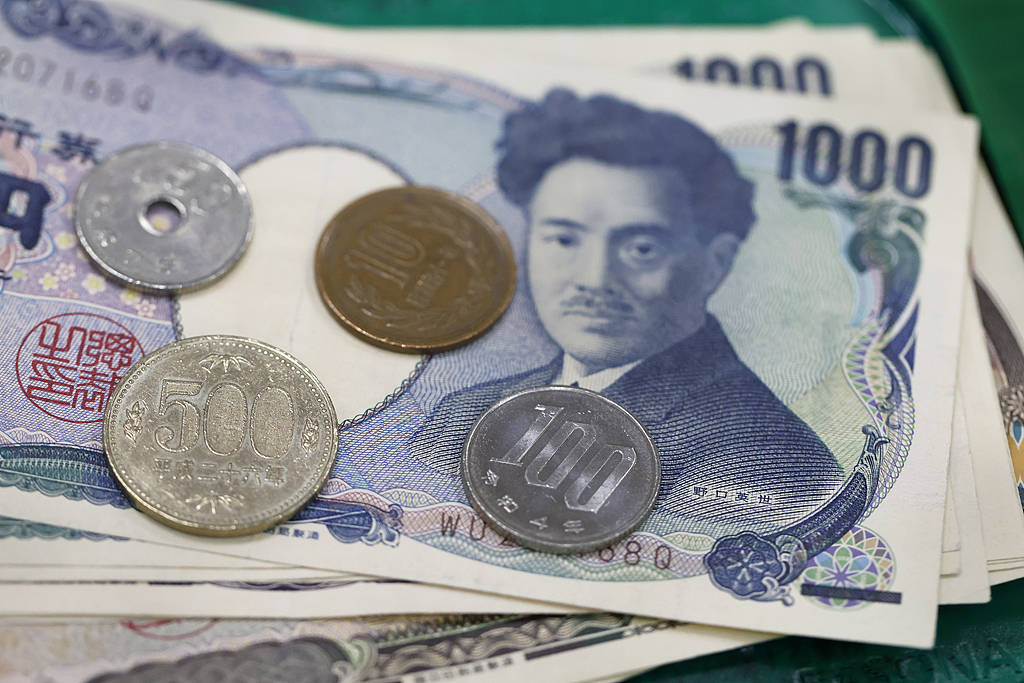
中信证券:日本良性通胀循环已较稳固,日本央行即将再次加息
Xin Lang Cai Jing· 2025-12-19 00:12
Core Viewpoint - The report from CITIC Securities suggests that Japan's benign inflation cycle is becoming more stable, and the Bank of Japan is likely to raise interest rates again soon [1] Group 1: Economic Context - The global market turmoil following Japan's interest rate hike last summer was primarily driven by rising recession expectations and shifts in the AI narrative in the U.S., rather than the reversal of carry trades, which only exacerbated risk aversion [1] - The "Black Monday" experienced last year is unlikely to be repeated this year due to the different economic conditions [1] Group 2: Market Dynamics - In the context of the policy divergence between the U.S. and Japan, U.S. factors are currently the main narrative influencing global liquidity and the pricing of U.S. dollar assets [1] - Market skepticism regarding the AI narrative is mainly focused on a few companies with aggressive business models, while most financially stable AI leaders are expected to maintain market confidence [1] Group 3: Investment Insights - The ongoing trend of industrial intelligence is anticipated to continue supporting the performance of leading U.S. stocks in the medium to short term [1] - Long-term U.S. Treasury bonds are considered to have a low cost-performance ratio in the current risk management-driven rate cut cycle, while short-term U.S. Treasury bonds may benefit from technical improvements in liquidity due to reserve management purchasing operations [1]
