芯片走私

Search documents
一台吹风机,吹开全球最大英伟达芯片走私案
Xin Lang Cai Jing· 2026-03-20 17:24
Core Viewpoint - The arrest of Wally Liaw, co-founder of Supermicro, highlights a significant case of smuggling involving $2.5 billion worth of NVIDIA AI chip servers to China, marking it as the largest AI chip smuggling case in history [3][11]. Group 1: Arrest and Charges - Wally Liaw was arrested in California and is charged with smuggling NVIDIA AI chip servers valued at $2.5 billion through a shell company in Southeast Asia to China, facing a maximum sentence of 20 years [3][11]. - The case is characterized by elaborate schemes, including the creation of thousands of fake servers to deceive compliance teams and auditors [4][6][7]. Group 2: Smuggling Operations - Liaw orchestrated a smuggling operation that involved confirming demand from Chinese buyers, applying for chip quotas from NVIDIA under the guise of self-use, and then shipping the servers to Southeast Asia before sending them to China [12][14]. - The operation saw a peak in activity just before new U.S. export regulations were set to take effect, with $510 million worth of servers shipped in a three-week period [15][18]. Group 3: Company Response and Compliance Issues - Following the news of Liaw's arrest, Supermicro's stock dropped by 13%, and the company stated that Liaw has been suspended while another involved individual was terminated [8][9]. - Supermicro claims to have a robust compliance system, although this is not the first time the company's compliance has been called into question [9][10]. Group 4: Industry Context and Trends - The smuggling case reflects a broader trend in the semiconductor industry, where smuggling operations have evolved from small-scale individual efforts to sophisticated schemes involving corporate executives [19][20][26]. - The demand for NVIDIA chips in China remains high, with over 60% of leading AI models relying on NVIDIA hardware, creating a strong incentive for smuggling despite regulatory risks [27][28].


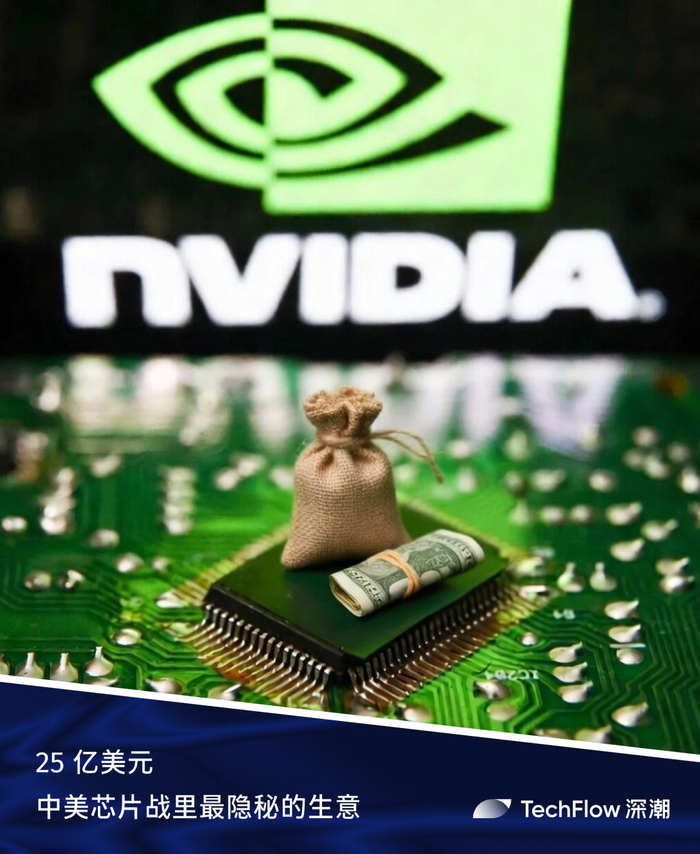
震惊!英伟达推芯片定位技术,狙击走私乱象
是说芯语· 2025-12-10 09:03
Core Viewpoint - Nvidia has developed a new AI chip location verification technology that aims to combat the rising issue of high-end AI chip smuggling, enhancing global chip export control systems [1][3]. Group 1: Technology Development - The new location verification technology will be initially available as optional software on the latest Blackwell architecture chips, utilizing unique communication latency analysis to determine the chip's country of origin [1]. - This technology is a response to the increasing smuggling of banned Nvidia chips, with an estimated $1 billion worth of such chips entering the Chinese market through Southeast Asia in Q2 2025 [3]. - The technology captures latency differences during communication between the chip and Nvidia's official servers, allowing for precise geographical location tracking without impacting chip performance [4]. Group 2: Strategic Significance - The introduction of this technology is a strategic move for Nvidia to comply with U.S. government regulations, as the U.S. Department of Justice has initiated criminal proceedings against smuggling operations involving over $160 million worth of Nvidia chips [5]. - This innovation provides a technical framework for addressing high-tech product smuggling, potentially filling gaps in traditional regulatory oversight for cross-regional monitoring [5]. Group 3: Challenges Ahead - The rollout of this technology faces challenges, including scrutiny from Chinese cybersecurity regulators regarding potential "backdoors" and user data security concerns, which could impact its adoption [6].