茶饮全球化

Search documents
贡茶,要被卖了
盐财经· 2026-03-11 09:13
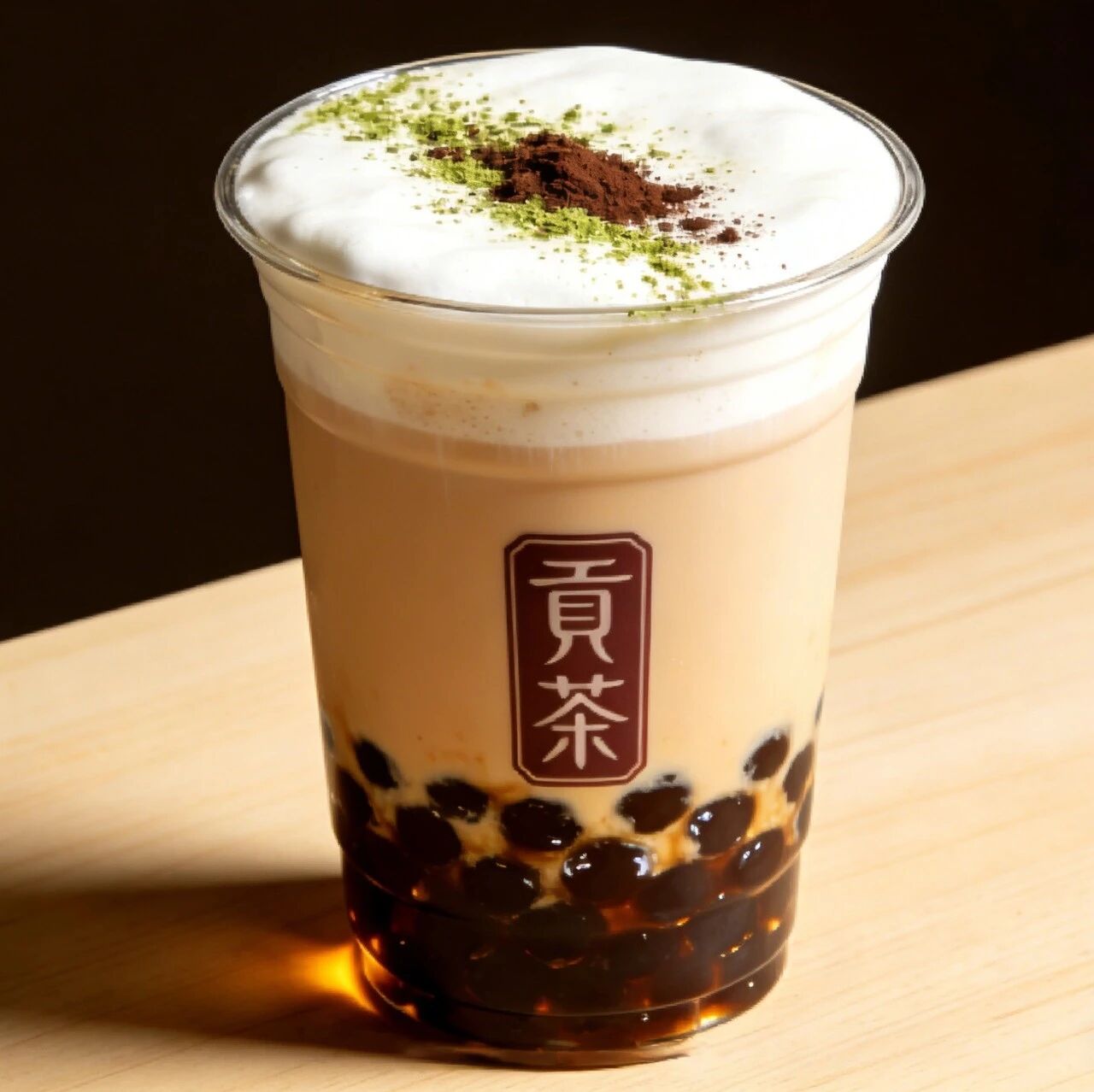
Core Viewpoint - The article discusses the potential sale of the Taiwanese bubble tea brand Gong Cha by its shareholder TA Associates, highlighting its significant valuation increase from 3 billion USD in 2019 to approximately 2 billion USD (about 14 billion RMB) in recent evaluations, indicating a substantial growth in the brand's market presence and financial performance over the years [4][11][13]. Company Overview - Gong Cha, founded in 2006 by Wu Zhenhua in Kaohsiung, Taiwan, revolutionized the tea beverage market by introducing high-quality tea drinks, including its signature milk foam series, which became a trendsetter in the industry [6][12]. - The brand quickly gained popularity in Taiwan and expanded internationally, opening its first overseas store in Hong Kong in 2009 and entering the mainland China market in 2010 [6][7]. Market Expansion - By 2017, Gong Cha had over 750 stores in mainland China, surpassing competitors like Yi Dian Dian and emerging brands such as Heytea and Nayuki [7]. - The brand has also made significant inroads into the South Korean market, where it became the leading bubble tea brand, with over 1,000 stores at its peak [10][12]. Financial Performance - Gong Cha's revenue reached 600 million USD in 2024, with strong growth reported in markets like Japan, South Korea, and the United States [15]. - The company plans to expand its global footprint, aiming for 1,000 stores by 2032, with a focus on new markets in the Middle East and North Africa [12][15]. Competitive Landscape - The new tea beverage industry in China is entering a phase of market saturation, prompting leading brands like Gong Cha to seek growth opportunities abroad [15]. - Gong Cha's operational efficiency, including a new store model and digital kitchen systems, positions it well against competitors in the evolving market [14].

霸王茶姬三季度财报彰显全球化加速度 海外GMV连续两季增长超75%
Zhong Guo Jing Ji Wang· 2025-12-02 00:04
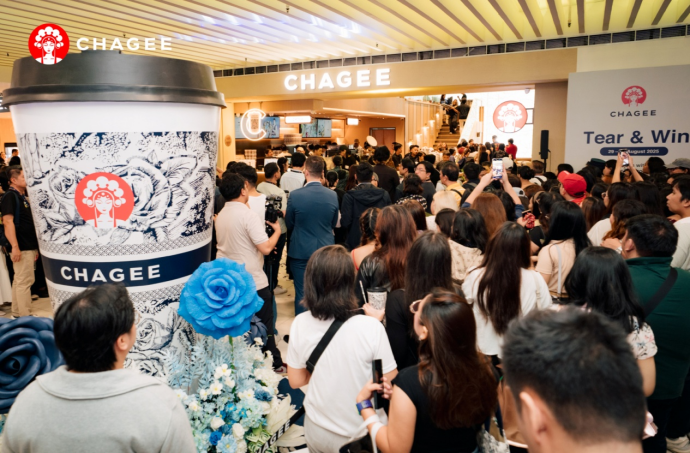
Core Insights - Bawang Chaji (CHA.O) demonstrates strong operational resilience amid fierce market competition, leveraging global expansion and differentiated strategies [1] - The company's Q3 financial results show a total GMV of 7.93 billion yuan, net revenue of 3.21 billion yuan, and adjusted net profit of 503 million yuan, with overseas GMV exceeding 300 million yuan, marking a year-on-year increase of 75.3% [1] - The brand's international journey began in 2019, with significant growth in Malaysia and the Philippines, indicating a shift from scale expansion to deep operational engagement in overseas markets [1][3] Financial Performance - As of September 30, Bawang Chaji operates 7,338 stores globally, with Q3 GMV reaching 79.30 billion yuan and net income of 32.08 billion yuan [1] - The overseas business has shown remarkable growth, with a 27.7% quarter-on-quarter increase in GMV for two consecutive quarters [1] Market Expansion - Bawang Chaji's entry into the Southeast Asian market has been marked by the opening of over 200 stores in Malaysia, establishing it as a leading Chinese tea brand in the region [1][5] - The brand's successful launch of multiple region-specific products, such as the "谷香焙茶" and "兰花碧螺春," highlights its adaptation to local tastes [3] Cultural Integration - The company's strategy involves deep cultural integration rather than merely replicating its domestic model, as seen in collaborations with local institutions and the creation of culturally resonant products [3][5] - Bawang Chaji's approach to global expansion emphasizes local cultural resonance and innovative product offerings, contributing to its brand identity and market acceptance [5]
财经观察|听奶茶“敲”钟看凉茶“泡”面,“椰”风挡不住价格战
Qi Lu Wan Bao· 2025-05-09 09:23
Group 1 - The core viewpoint of the articles highlights the rapid growth and competitive landscape of the tea beverage market in China, with significant capital interest and multiple companies going public in 2023 [1][2][3] - The new tea beverage market in China is projected to reach a scale of 3,547.2 billion yuan in 2024, but the growth rate is expected to drop sharply from 44.3% in 2023 to 12.4%, indicating a shift to a phase of stock competition [3] - Several new tea beverage companies have recently gone public, with notable stock performance; for instance, "Hushang Ayi" saw its stock price surge over 68% on its first day of trading [2] Group 2 - The strategic partnership between Wanglaoji and South Korean food giant Nongshim marks a significant move in the tea beverage sector, focusing on channel sharing, brand promotion, and joint product development [8][11] - Wanglaoji's recent initiatives, including the establishment of its headquarters in the Guangdong-Hong Kong-Macao Greater Bay Area, aim to enhance its global presence and digital transformation [11] - The tea beverage industry is increasingly viewed as a cultural carrier, with brands like "Jasmine Milk White" expanding internationally and emphasizing cultural resonance rather than mere market entry [12]