凉茶

Search documents
野村东方国际 必选消费:食饮出海征途:从模式探索到价值突围
野村· 2026-02-04 02:27
Investment Rating - The report suggests a focus on companies that are transitioning from the initial product testing phase to the second phase of market penetration and localization, particularly those with strong supply chain capabilities [16][17]. Core Insights - The report identifies four stages of international expansion for Chinese companies, emphasizing the importance of product testing, localization, brand acquisition, and global value network construction [1][4]. - It highlights that the Chinese food and beverage industry has developed mature operational capabilities, making overseas expansion a natural choice [2][3]. - The report notes that while the overall overseas revenue for many Chinese companies remains low, certain segments, like health products, show higher overseas revenue ratios, indicating potential for growth [3][17]. Summary by Sections Industry Overview - The Chinese food and beverage sector is characterized by a complex domestic market, which provides a competitive advantage for companies looking to expand internationally [2][3]. - The report indicates that the overseas revenue share for food and beverage companies is significantly lower compared to other industries, suggesting room for growth [2]. Stages of International Expansion - The first stage involves product testing, where companies rely on local distributors to gauge market acceptance [6]. - The second stage focuses on market penetration and operational localization, where companies establish local supply chains and adapt products to local tastes [5][6]. - The third stage is characterized by brand acquisitions and network expansion, while the final stage involves managing a global value network [7][8]. Company Recommendations - The report recommends companies like Angel Yeast and Xinle Health, which have established strong overseas supply chains and operational entities, as key investment opportunities [18][21]. - Angel Yeast is noted for its significant overseas revenue growth, with projections indicating that overseas revenue could reach 40% by 2024 [19][20]. - Xinle Health is highlighted for its strong growth in overseas markets, particularly in regions like Europe and South America, with a focus on high-margin products [21][22].


2025“守护消费”铁拳行动第三批典型案例公布
Xin Lang Cai Jing· 2026-01-28 12:35
Group 1 - The core viewpoint of the article is the announcement of the third batch of typical cases under the "Guarding Consumption" campaign by the State Administration for Market Regulation, aimed at cracking down on various illegal activities that harm consumer rights and market order [13] Group 2 - Xinjiang Blue Run Energy Co., Ltd. was penalized for using modified fuel dispensers that exceeded accuracy requirements, resulting in illegal gains of 10.09 million yuan [1] - Hainan Qianchi Trading Co., Ltd. was fined for using unqualified electric bicycles for rental services, with a total value of 98,500 yuan [3] - The Oriental City Comprehensive Administrative Law Enforcement Bureau investigated two tea shops for illegally adding ephedra to their products, leading to criminal charges against the owner [5][4] - Changge City Yintong Metal Products Factory was penalized for producing unqualified gas explosion-proof pipes, with a total value of 9,520 yuan [6] - Zhang Mouzhao and Li Moubing were found guilty of infringing on registered trademarks, with illegal sales amounting to 78,000 yuan [6] - Jiangyin Mengxiang Xinghui Swimming and Fitness Co., Ltd. was fined for violating contract terms that harmed consumer rights [7] - Wuxi City market regulators penalized a company for selling unqualified student military training uniforms, with a total value of 302,800 yuan [8] - Shanghai Puluosi Stationery Co., Ltd. was fined for producing non-compliant erasers, with a total value of 41,400 yuan [9] - The Gao Tang County Yunfa Gas Station was penalized for adding cheating devices to fuel dispensers, resulting in illegal gains of 1.1457 million yuan [9][10] - Xinjiang Xinda Rui'an Testing Technology Co., Ltd. was fined for issuing false inspection reports, with illegal gains of 17,100 yuan [12]
面包市场分化:桃李下滑,宾堡扩张丨消费参考
2 1 Shi Ji Jing Ji Bao Dao· 2025-12-26 02:36
Group 1: Company Performance - Tao Li Bread reported a revenue decline of 12.88% year-on-year to 4.049 billion yuan for the first three quarters of 2025, with a net profit attributable to shareholders down 31.49% to 298 million yuan [1] - In Q3, Tao Li's revenue fell by 11.64% year-on-year to 1.437 billion yuan, and net profit dropped by 35.05% to 94 million yuan [1] - The company experienced a nationwide sales decline, with revenues in the North, Northeast, and East China regions decreasing by 10.14%, 14.24%, and 8.25% respectively, while the Central region saw a revenue increase of 7.78% to 60 million yuan [1] Group 2: Competitive Landscape - Bimbo Group is in an expansion phase in China, with a significant increase in effective sales points compared to the previous year, and is likely experiencing revenue growth [2] - Bimbo's growth is driven by B2B channels, including long-term supply agreements with well-known fast-food chains and airlines, and a recent strategic agreement with Dingdong Maicai for overseas business expansion [3] - Bimbo's B2B operations benefit from higher gross margins due to reduced channel costs and marketing expenses, with brand recognition aiding market entry [3] Group 3: Market Strategy - Bimbo's strategy of controlling scale while expanding B2B markets is seen as a viable path for survival in the current market environment [6] - Despite Bimbo's growth, it still has a distance to cover to match Tao Li's overall national scale, but focusing on key urban areas is considered beneficial for stable performance [5]



2025年第49周:食品饮料行业周度市场观察
艾瑞咨询· 2025-12-13 00:07
Group 1 - The pre-prepared food market is experiencing a paradox of consumer trust issues and capital enthusiasm, driven by urbanization and the demand for convenient dining [3][4]. - The "zero additives" concept is being phased out in favor of "clean label" standards, emphasizing ingredient transparency and natural prioritization [5][6]. - The energy drink industry is undergoing rapid transformation with ingredient innovation and scene segmentation, focusing on health trends and diverse flavors [7][8]. Group 2 - The nut import market in China is projected to reach $2.386 billion in 2024, with a significant increase in demand for high-end varieties like pistachios [10]. - The beverage market is facing a downturn, with sales declining due to the rise of on-demand drink services and aggressive pricing strategies [14][15]. - The convenience food industry in China is shifting towards value creation, with a market size expected to grow from 673.6 billion yuan in 2023 to 960.3 billion yuan by 2026 [18]. Group 3 - The dairy industry is seeing a shift from ambient milk to fresh milk, with companies like Bright Dairy exploring new growth areas in the pet food market [20]. - Wangwang is facing challenges in the milk market, prompting the company to diversify into AD calcium milk to regain market share [21]. - The plant-based food sector is experiencing a downturn, with companies focusing on technological innovation and localization to meet market demands [17]. Group 4 - JD.com is enhancing its pre-prepared food strategy, aiming to strengthen its supply chain and align with the growing demand for ready-to-eat meals [31]. - China Resources Beverage is entering the ready-to-drink coffee market, competing against established brands like Nestlé and Starbucks [32]. - Wanglaoji is diversifying into the functional beverage market by acquiring distribution rights for Red Bull in southern China, aiming for significant sales growth [33].






百味同心(多味斋)
Ren Min Ri Bao· 2025-12-07 22:02
Group 1 - The article highlights the rich culinary culture of Guangxi, particularly focusing on traditional dishes such as oil tea and five-color glutinous rice, which are prepared using natural ingredients and local methods [1][2] - The narrative emphasizes the importance of family traditions and the joy of sharing meals, showcasing various local delicacies that reflect the region's heritage [1][3] - The development of the restaurant industry in Nanning is noted, with an increase in unique dining experiences that incorporate local culture and aesthetics, enhancing the overall gastronomic landscape [2][3] Group 2 - The description of a restaurant that combines traditional and modern architectural styles illustrates the integration of cultural elements into dining experiences, making them more appealing to customers [3] - The article mentions the significance of communal dining practices, such as the "bowl banquet," which historically served as a way to honor guests, reflecting the social aspects of food in Guangxi [3] - The narrative concludes with a reflection on how the diverse culinary offerings in Nanning contribute to a deeper understanding of the local culture and community, enriching the lives of its residents [3]
广州市国资委:市属国企升级改造17个全运场馆,完成提品质项目约200项
Zhong Guo Fa Zhan Wang· 2025-11-03 09:38
Core Points - The Guangzhou State-owned Assets Supervision and Administration Commission is implementing a comprehensive service guarantee for the upcoming 15th National Games, with a focus on high standards and collaboration among state-owned enterprises [1][8] - A total of 13 specialized guarantee plans have been developed, involving 21 municipal state-owned enterprises and over 41,000 personnel to ensure smooth event operations [1][2] Group 1: Event Preparation and Infrastructure - Approximately 200 quality enhancement projects are being completed to improve sports venues, road traffic, and the Pearl River waterfront, enhancing both urban functionality and event experience [2] - 17 venues are undergoing upgrades, covering an area of 280,000 square meters, with timely and quality completion of renovations and related facilities [2] - The Guangzhou Double Fish Company has established a dedicated service team for table tennis equipment, ensuring 24/7 communication for equipment adjustments and emergency responses [2] Group 2: Technological Integration - The integration of AI, big data, and digital twin technologies is enhancing the event's smart capabilities [3] - The Guangzhou Transportation Group is promoting cashless payment systems and has implemented lane-specific warning systems, improving traffic capacity by 49% [3] - Smart human-shaped robots will provide guidance and security services during the event, while a cultural AR digital RMB wallet has been launched [3] Group 3: Sustainability Initiatives - The event is adopting a green and low-carbon approach, with state-owned enterprises utilizing clean energy and renewable resources in venue renovations [4] - New photovoltaic facilities covering 9,500 square meters are expected to save approximately 254 tons of standard coal and reduce CO2 emissions by about 705 tons annually [4] - Efforts are being made to achieve carbon neutrality through various initiatives, including the donation of 58,000 tons of carbon emission allowances [4] Group 4: Community Engagement and Cultural Integration - The event is designed to benefit urban development and enhance citizens' lives, with over 40,000 electronic screens promoting the games across public transport and commercial areas [5] - Various cultural and tourism activities are being organized to encourage public participation, including themed routes and food festivals [6] - The event aims to create a shared atmosphere, with themed transportation options and promotional products integrating local culture [5][6] Group 5: Comprehensive Safety and Service Assurance - A full-chain guarantee system is being established to ensure the safety and comfort of participants, including transportation, accommodation, and utilities [7] - Upgrades to 11 official reception hotels are being made to enhance service quality and showcase local culture [7] - The Guangzhou Water Investment Group is improving water supply quality across 28 venues, while the Guangzhou Development Group is modernizing gas supply systems [7]

相爱相杀十几年 加多宝为什么卖不过王老吉?
Sou Hu Cai Jing· 2025-10-17 07:18
Core Viewpoint - The ongoing trademark dispute between Wanglaoji and JDB (Jiangzhong) has escalated, with both companies making strong statements regarding their rights to the "Wanglaoji" brand, particularly in overseas markets [1][2]. Group 1: Trademark Dispute - JDB claims victory in overseas lawsuits regarding the "Wanglaoji" trademark, while Wanglaoji accuses JDB of malicious registration through offshore companies [1][2]. - The dispute has been ongoing for over a decade, involving significant legal battles and financial stakes, with claims of tens of billions in damages [2]. - Both companies share rights to the red can packaging, and JDB has launched its own brand "JDB" after losing the "Wanglaoji" trademark [2]. Group 2: Market Performance - In 2007, Wanglaoji's total sales reached nearly 90 billion, surpassing major global brands like Coca-Cola and Red Bull, and its brand value was estimated at 108 billion by 2010 [3]. - After the trademark was reclaimed by Guangzhou Pharmaceutical Group in 2012, JDB experienced a peak in sales, reaching 20 billion that year [4][5]. - However, JDB's sales have been declining since 2012, while Wanglaoji currently holds nearly 50% market share in the plant beverage sector, with a gross margin of 44.67% as of mid-2025 [7]. Group 3: Competitive Landscape - JDB's market share has dropped to 28.31% by mid-2025, significantly lower than Wanglaoji's 46.33% [9]. - Despite lower prices, JDB struggles to compete with Wanglaoji, which consistently sells at a higher price point [9]. - The prolonged competition has negatively impacted the entire herbal tea category, limiting the growth of smaller brands and leading to a decline in market size and growth rate [10]. Group 4: Financial Performance - Wanglaoji's health company reported revenue of 6.5 billion and a net profit of 1.3 billion in the first half of the year, indicating a decline from its peak performance [11]. - The long-standing rivalry has resulted in no clear winner, as both companies face challenges in maintaining robust business growth [12].
王老吉和加多宝都上火了
3 6 Ke· 2025-10-16 04:03
Core Viewpoint - The ongoing rivalry between Wanglaoji and Jia Duo Bao, two major herbal tea brands in China, has escalated from domestic disputes to international markets, highlighting the challenges and strategic choices both companies face in their globalization efforts [1][2][3]. Group 1: Historical Context - The conflict between Wanglaoji and Jia Duo Bao dates back over a decade, marked by the "red can dispute," which has become a classic case in Chinese business history [1]. - Recent tensions reignited on September 30, when Jia Duo Bao claimed victory in international trademark disputes, asserting ownership of the "Wanglaoji" trademark in over 60 countries [3][4]. - Wanglaoji responded by accusing Jia Duo Bao of maliciously registering trademarks abroad and announced its own trademark registrations in over 100 countries by September 2025 [3][4]. Group 2: Strategic Moves - Both companies are targeting international markets as domestic growth stagnates, with Wanglaoji and Jia Duo Bao recognizing the necessity of expanding overseas to seek new growth opportunities [2][10]. - Wanglaoji has been actively promoting its brand internationally since 2013, establishing a presence in the U.S. and launching its international brand "WALOVI" in 2023 [9][10]. - Jia Duo Bao has also made strides in international markets, establishing production bases in Malaysia and signing agreements for further expansion [9]. Group 3: Market Dynamics - The herbal tea market in China has shown signs of saturation, with retail sales fluctuating since 2016 and a growth rate of approximately 20% over the past decade [10][13]. - Both companies face competition from emerging beverage brands and traditional tea products, which have diversified consumer preferences and fragmented the market [14][15]. - The global plant-based beverage market is experiencing significant growth, with a compound annual growth rate of nearly 10% from 2019 to 2024, presenting opportunities for both brands [13]. Group 4: Internal Challenges - The prolonged legal battles between Wanglaoji and Jia Duo Bao have diverted resources and attention from product innovation and market expansion, leading to stagnation in their respective growth strategies [17][18]. - Both companies are struggling to diversify beyond the herbal tea category, which limits their potential in international markets [17]. - A collaborative approach to promote "Chinese herbal tea" as a category could benefit both companies and enhance their global presence, rather than continuing their competitive rivalry [17][18].

采购商长廊丨第八届进博会8.2号馆采购商长廊首批名单公布!
Sou Hu Cai Jing· 2025-10-14 03:02
Group 1 - The eighth China International Import Expo (CIIE) will continue to set up a procurement corridor to enhance supply-demand matching and improve cooperation effectiveness [1][4] - The procurement corridor in Hall 8.2 will focus on agricultural products, consumer goods, and health products, featuring a selection meeting for approximately 20 high-quality buyers [1][2] - The first batch of announced enterprises includes major retail and internet companies in China, indicating strong demand and a well-established supply chain [2][4] Group 2 - The procurement needs of the announced enterprises cover all areas of the agricultural products exhibition, allowing for a clear presentation of purchasing preferences and directions [3] - A dedicated negotiation area will be set up for buyers to engage in multiple rounds of face-to-face discussions with exhibitors, facilitating deeper cooperation discussions [4] - The first batch of participating companies includes JD.com, Dashang Group, Greenland Zhongxuan, and others, showcasing a diverse range of procurement interests [4][22]

咨询业的末路时刻,“麦肯锡们”何以为生?
Sou Hu Cai Jing· 2025-09-11 14:21
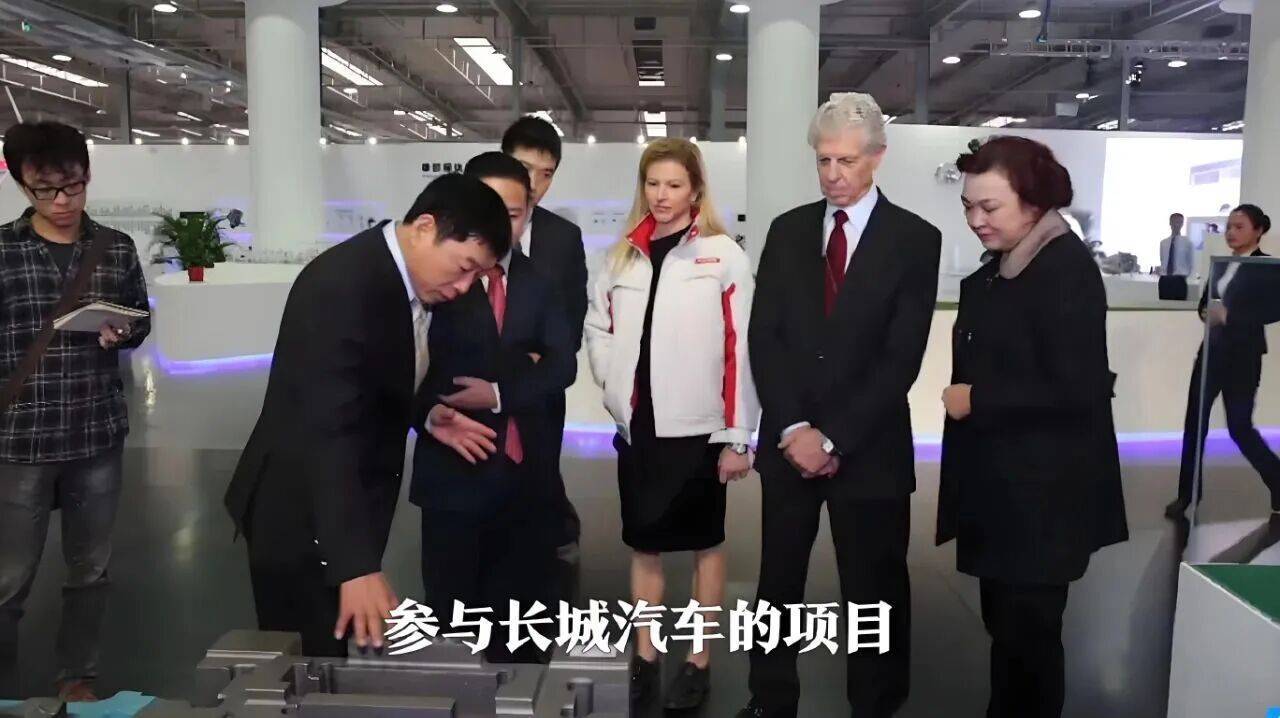
Group 1 - The article discusses the strategic consulting firm Ries Strategic Consulting and its pivotal role in guiding companies like Great Wall Motors and Jack Sewing Machine through critical decision-making processes [21][22][24] - Ries emphasizes the importance of focusing on fundamental issues that determine a company's survival and growth, rather than superficial or short-term solutions [23][25] - The success of Great Wall Motors in the SUV market is highlighted as a case study of effective positioning and trend analysis, leading to significant revenue growth [10][11][12] Group 2 - The article contrasts the approach of Ries with that of other consulting firms, noting that Ries maintains a commitment to solving core strategic problems rather than succumbing to client pressures for easy solutions [30][31][32] - The firm’s methodology includes extensive market research and consumer insights, which are crucial for developing effective strategies [46][47] - Ries has a track record of successful case studies across various industries, demonstrating its ability to adapt and provide valuable insights in changing market conditions [38][39][45]