茶饮化

Search documents
咖啡行业一年之变:瑞幸库迪多了2个万店对手,星巴克卖身求生
3 6 Ke· 2026-02-09 09:44
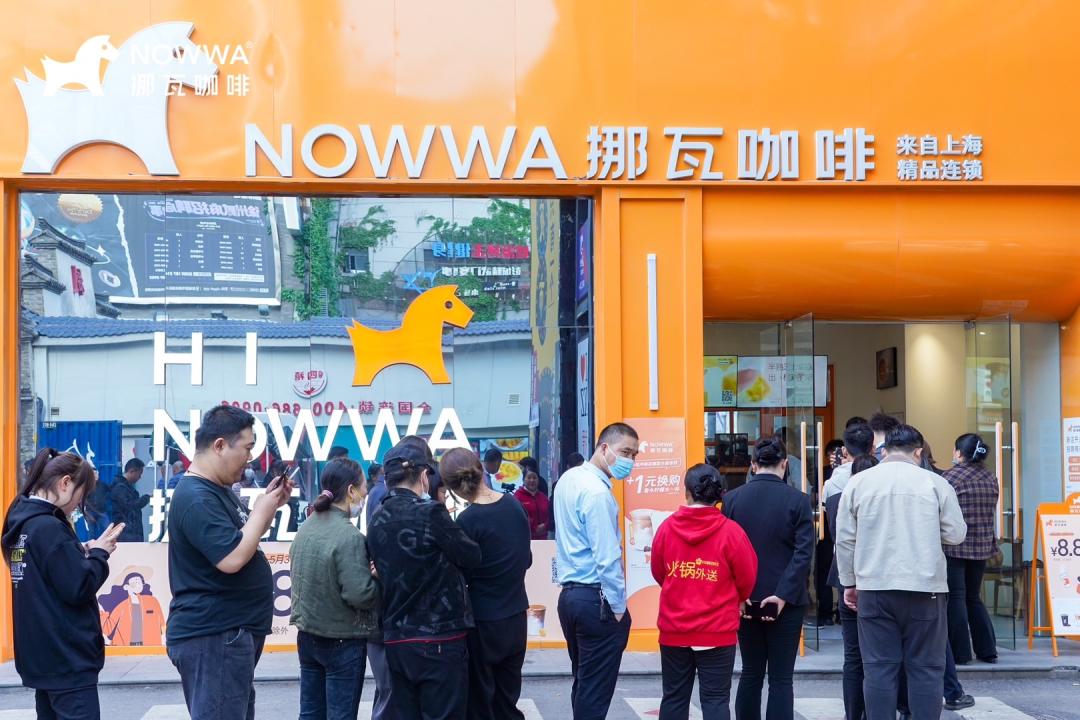
Core Insights - Luckin Coffee is advancing towards a secondary listing, while Nova Coffee and Lucky Coffee have moved from the industry fringe to the forefront, indicating a significant shift in the coffee sector by 2026 [1][3] - The recent actions of these two major coffee brands signal key trends in the industry, particularly in terms of competition and market dynamics [3][4] Industry Dynamics - Nova Coffee completed a multi-billion C round financing in January, attracting several prominent investment firms, marking the largest financing in China's catering industry over the past year [1] - The end of the "9.9 yuan unlimited drinks" promotion by Kudi Coffee on February 1 is seen as a sign of the retreat from price wars, although the impact on consumer pricing strategies remains significant [3][11] - The coffee industry in China underwent a paradigm shift driven by the delivery wars, with growth factors transitioning from brand premium to cost-effectiveness and convenience [3][11] Market Expansion - The "10,000 store club" expansion in 2025 is a key indicator of industry evolution, with Nova Coffee and Lucky Coffee joining this elite group, emphasizing the necessity of scale for top-tier brands [4][6] - Luckin Coffee has solidified its market leadership with a total of 29,214 stores globally by Q3 2025, having opened 3,008 new stores in a single quarter [6][10] - Kudi Coffee's aggressive expansion strategy, primarily through a franchise model, has led to over 18,000 stores by December 2025, despite not reaching its target of 50,000 stores [6][9] Competitive Landscape - The competitive landscape is characterized by a divergence in business models, with Kudi Coffee and Nova Coffee adopting lighter operational models for rapid growth [6][9] - Starbucks has entered a phase of strategic contraction in China, highlighted by its partnership with Boyu Capital, which allows Boyu to hold up to 60% equity and control [10][24] - The delivery wars have significantly altered pricing strategies, with Kudi leveraging platform subsidies to offer extremely low prices, impacting overall market dynamics [11][12] Financial Performance - Starbucks reported a 5% revenue growth in its China segment for the fiscal year 2025, but faced a 7% decline in average transaction value, indicating challenges in maintaining profitability amid competitive pressures [12][13] - The cost of delivery has surged for brands like Luckin, with delivery expenses rising to 28.9 billion yuan, a 211% increase year-on-year [13] Strategic Adjustments - Kudi Coffee's shift away from its aggressive pricing strategy marks a transition towards more rational competition, signaling the end of the price war era [14][16] - The trend of coffee brands diversifying into other food categories, such as Kudi's foray into fast food, reflects a broader strategy to capture more consumer spending [18][19] - The coffee sector is increasingly focusing on non-coffee products, with brands like Luckin and Lucky Coffee expanding their tea and juice offerings to adapt to changing consumer preferences [21][24] Future Outlook - The coffee industry is expected to continue evolving, with brands exploring international markets and lower-tier cities as growth avenues, while also addressing the challenges posed by price wars and delivery costs [24][25]