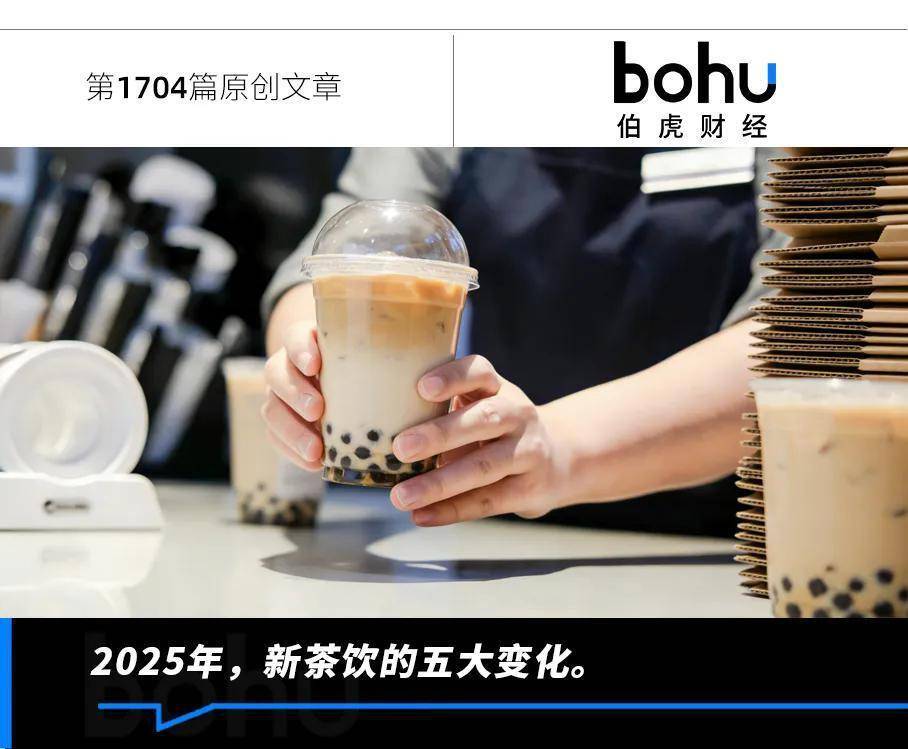
茶饮行业精细化运营

Search documents
外卖大战加速连锁茶饮的K型分化
新财富· 2026-02-12 08:05
Core Viewpoint - 2025 is expected to be a pivotal year for new consumption and a year of differentiation in the chain tea beverage industry, with increasing competition and pressure on leading brands [3]. Market Competition - The tea beverage industry has seen intensified competition since Q2 2024, with brands resorting to price wars through discounts and low-priced promotional items [3]. - Major brands like Cha Bai Dao and Hu Shang A Yi are experiencing slower store expansion and declining same-store sales, indicating a struggle for growth [3][4]. - By Q2 and Q3 of 2024, the competitive landscape became clearer, with leading brands like Mi Xue Bing Cheng and Gu Ming gaining competitive advantages while others like Cha Bai Dao and Hu Shang A Yi fell behind [4]. Impact of Delivery Wars - Starting Q1 2025, major tea brands began to reduce discounting and the frequency of low-price promotional items, suggesting a potential easing of competition if the delivery wars do not escalate in H2 2025 [5]. - In April 2025, major delivery platforms initiated significant subsidies, leading to a temporary increase in stock prices for brands like Gu Ming and Mi Xue Bing Cheng, but concerns arose about a new round of price wars [7]. - The delivery wars have led to increased same-store GMV for brands like Mi Xue and Gu Ming, but also resulted in lower average transaction prices and intensified competition [9]. Long-term Outlook - The delivery wars may cause short-term disruptions but are expected to have limited long-term pricing impacts, with weaker brands likely to fall further behind, creating structural opportunities for leading brands [13]. - The competition is shifting from supply chain differences to refined operational efficiency, focusing on digital systems for inventory management and customer engagement [14][15]. Brand Performance - Mi Xue Bing Cheng and Gu Ming are among the few brands achieving over 20% store growth this year, benefiting from their supply chain advantages and strong operational capabilities [17]. - Gu Ming has shown resilience with steady same-store growth and healthy franchisee profitability, while Mi Xue Bing Cheng has leveraged its scale and efficiency to withstand competitive pressures [17].


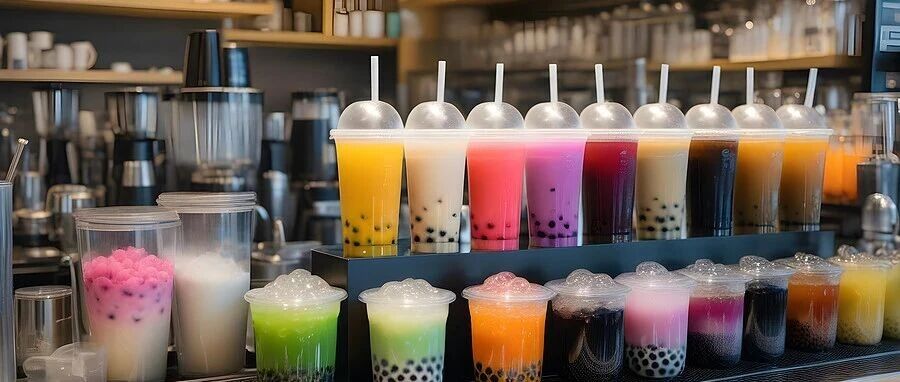
透过五大变化,预判新茶饮的 2026 年
Sou Hu Cai Jing· 2025-12-29 20:10
Core Insights - In 2025, the Chinese new tea beverage industry is at a critical turning point from "scale expansion" to "value cultivation" [3] - New consumer demands and development models are emerging, reshaping the future direction of the tea beverage industry [3] Group 1: Market Dynamics - The "0 Yuan Milk Tea" promotion, driven by massive subsidies, sparked a temporary surge in the tea beverage market, significantly impacting brand operations [3] - According to Zhejiang Securities, the average single-store sales revenue for Mixue Group reached 278,000 yuan in the first half of the year, a year-on-year increase of 13.2% [3] - Tea Baidao reported that promotional activities boosted store sales, with a second-quarter average daily GMV reaching its highest level in nearly a year, up approximately 15% from the first quarter [3] Group 2: Brand Expansion and Challenges - Gu Ming's store count increased from about 9,914 at the beginning of 2025 to over 12,000 by the end of August, maintaining an average of 7 new store openings per day [3] - However, the sustainability of the delivery war is questioned due to low profit margins and potential losses [3][5] - Naixue's financial report indicated that delivery service fees paid to third-party platforms reached 200 million yuan, rising from 6.7% to 9.2% of total revenue year-on-year [4] Group 3: International Expansion - Overseas markets are becoming a crucial source of growth for tea brands, with Ba Wang Cha Ji becoming the first new tea company to list on NASDAQ in April 2025 [7] - Ba Wang Cha Ji opened its first U.S. store in May, selling over 5,000 cups on the first day, and entered the Philippines market in August, selling over 23,000 cups in three days [7] - Other brands like Mixue Ice City and Tianlala are also expanding internationally, with Mixue covering 12 countries and over 4,700 overseas stores [7] Group 4: Health Trends - The "Skinny Milk Tea" trend is emerging as a new growth engine in the industry, with kale becoming a core ingredient [8] - The price of kale surged from 0.8 yuan per jin in 2024 to 3.5 yuan per jin in March 2025, reflecting a price increase of over 300% due to rising demand [9] Group 5: Market Segmentation - The pearl milk tea segment is gaining traction, with brands like Bao Jin Zhu focusing on low-cost, single-product strategies, rapidly expanding to over 1,800 stores in four years [10][12] - These brands are achieving significant sales, with single-store daily revenues between 1,500 and 1,800 yuan, and a projected 80% growth in store count for 2025 [12] Group 6: Industry Transition - The new tea beverage industry is shifting from quantity to quality, with brands like Heytea and Naixue closing underperforming stores and slowing down expansion [13][14] - As of October 2025, Heytea's store count decreased by 680 to 3,930, while Naixue closed 160 stores, reducing its total to 1,638 [13] - The focus is now on enhancing single-store value, tightening franchise management, and upgrading product structures [14]