
药品全生命周期监管

Search documents
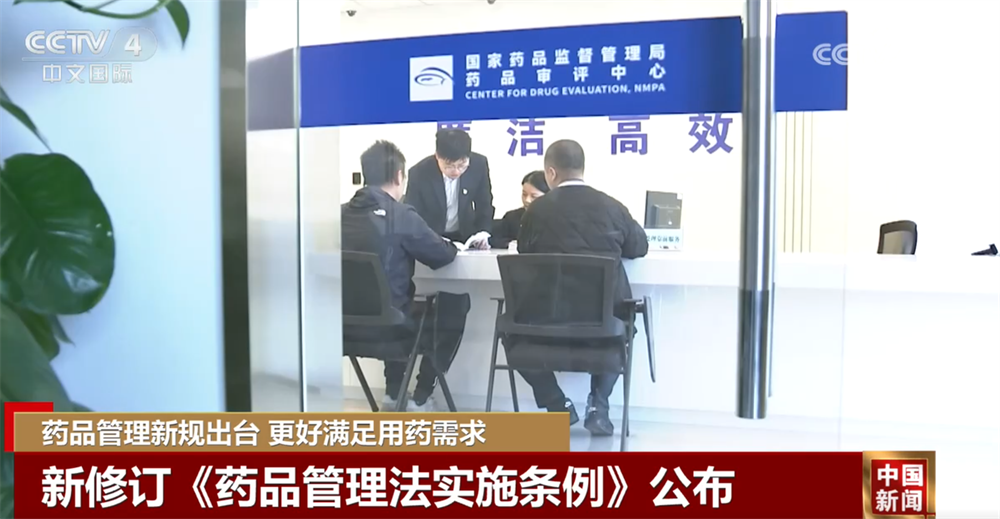
药品管理法实施条例迎来23年来首次全面修订 如何更好满足用药需求?
Yang Shi Wang· 2026-01-28 02:45
Core Viewpoint - The newly revised "Regulations for the Implementation of the Drug Administration Law of the People's Republic of China" will take effect on May 15, marking the first comprehensive revision in 23 years, with over 90% of the provisions modified to better meet public medication needs [1][3]. Group 1: Regulatory Changes - The focus of the regulations has shifted from managing drug production and operation enterprises to centering on the responsibilities of drug marketing authorization holders, enhancing strict supervision throughout the entire lifecycle of drugs [3]. - Four expedited pathways for drug approval have been clearly defined in the new regulations, including breakthrough therapy drugs, conditional approvals, priority reviews, and special approvals [4]. Group 2: Intellectual Property and Market Exclusivity - The revised regulations expand the drug trial data protection system and introduce a market exclusivity period for drugs, particularly benefiting rare disease medications and pediatric drugs, with exclusivity periods of up to 7 years for rare diseases and 2 years for pediatric drugs [6][7]. - The data protection period allows innovative drug companies to achieve reasonable returns, which supports ongoing research and development, while after this period, generic drug companies can simplify their market applications using original drug data, potentially lowering drug prices [9]. Group 3: Online Drug Sales Regulation - The online retail scale of drugs in China is projected to exceed 700 billion yuan in 2024 and 800 billion yuan in 2025, prompting the need for clear regulations to ensure the quality and safety of online drug purchases [10]. - The new regulations specify the obligations of online platforms, requiring them to rigorously verify the qualifications of drug sellers and to maintain relevant management records [12]. Group 4: Traditional Chinese Medicine (TCM) Standards - The revised regulations encourage the implementation of quality management standards for the production of traditional Chinese medicine materials, aiming to standardize and enhance the development level of TCM [14].

“十四五”期间我国企业净增近2000万户,市场监管总局最新发声
Zheng Quan Shi Bao Wang· 2025-08-22 09:12
Group 1: Market Regulation Achievements - The National Market Regulation Administration has improved the regulatory system for enterprise-related fees, continuously reducing operational costs for businesses, resulting in a net increase of 19.99 million enterprises and 33.946 million individual businesses during the "14th Five-Year Plan" period [1][2] - The introduction of the "Fair Competition Review Regulations" has established rigid institutional constraints against issues like malicious competition in investment promotion and administrative monopolies, with 4,218 obstructive policies abolished and 239 administrative monopoly cases investigated [1][2] Group 2: Consumer Protection and Efficiency - A total of 89.028 million complaints were handled by market regulation departments, recovering economic losses of 21.71 billion yuan for consumers, while consumer associations processed 5.749 million complaints, recovering 5.78 billion yuan [2] - The time to open a restaurant has been reduced from 37 days to 15 days, and the number of documents required for business information changes has been streamlined from 23 to 6 [2] Group 3: Platform Economy Regulation - The market regulation authority is addressing potential risks in the platform economy, such as algorithm abuse and disorderly competition, by balancing innovation encouragement and regulatory development [3][4] - Significant actions have been taken against market irregularities, including the removal of 4.541 million illegal product listings and the investigation of 105,000 internet-related cases [4] Group 4: Pharmaceutical Industry Growth - The pharmaceutical industry in China ranks second globally, with 204 innovative drugs and 265 innovative medical devices approved during the "14th Five-Year Plan," and 50 innovative drugs approved in the first seven months of this year [5][6] - The National Medical Products Administration has implemented dynamic supervision covering the entire drug lifecycle, focusing on key areas such as online sales and clinical trial management, while conducting over 200,000 drug inspections annually [6]