
药品知识产权保护

Search documents
首设四条通道加快好药新药上市
Xin Lang Cai Jing· 2026-02-24 19:18
Core Viewpoint - The newly revised "Regulations for the Implementation of the Drug Administration Law of the People's Republic of China" will officially take effect on May 15, marking the first comprehensive revision in 23 years since its initial implementation [1] Group 1: Encouragement of Drug Innovation - The revision emphasizes encouraging drug research and innovation, supporting the development of new drugs based on clinical value, and improving the quality and efficacy of generic drugs [2] - The regulations establish a fast-track review process for drug approvals, including breakthrough therapies and conditional approvals, to expedite the market entry of new drugs [2] Group 2: Protection of Drug Intellectual Property - A key focus of the revision is to strengthen the protection of drug intellectual property, encouraging continuous research and innovation by enterprises [3] - The introduction of market exclusivity periods for pediatric and orphan drugs aims to promote drug development and better meet clinical needs [4] Group 3: Responsibilities of Online Drug Platforms - The revised regulations clarify the responsibilities of online drug trading platforms, emphasizing the need for strict management and oversight of drug sales on these platforms [5] - Platforms are required to establish dedicated institutions and personnel to manage and audit the qualifications of merchants selling drugs [5] Group 4: Production and Quality Management - The regulations encourage the implementation of quality management standards for traditional Chinese medicine production and set specific standards for the production of traditional Chinese medicine pieces [6] - The revision allows for segmented contract manufacturing of drugs, facilitating the production of innovative drugs that require various technologies and equipment [7]
四条通道加快好药新药上市
Xin Lang Cai Jing· 2026-01-28 21:00
Core Viewpoint - The newly revised "Regulations for the Implementation of the Drug Administration Law of the People's Republic of China" will take effect on May 15, marking the first comprehensive revision in 23 years, with over 90% of the clauses modified from the previous version [1] Group 1: Encouragement of Drug Innovation - A significant feature of the revision is the encouragement of drug research and innovation, emphasizing the creation of new drugs guided by clinical value and improving the quality and efficacy of generic drugs [1][3] - The regulations establish a fast-track review process for drug approvals, including breakthrough therapies and conditional approvals, to expedite the market entry of new and effective drugs [1][2] Group 2: Protection of Drug Intellectual Property - The revision strengthens the protection of drug intellectual property, encouraging continuous research and innovation by enterprises [3] - It introduces a market exclusivity period for pediatric and rare disease drugs, with up to 2 years for pediatric drugs and up to 7 years for rare disease drugs, aligning with international practices [4] - The data protection period allows innovative drug companies to achieve reasonable returns, supporting ongoing research and innovation, while enabling generic drug companies to simplify their market entry after this period [4]
《药品管理法实施条例》发布,23年来首次全面修订!
Yang Shi Xin Wen Ke Hu Duan· 2026-01-28 04:12
Core Viewpoint - The State Council of China has announced a comprehensive revision of the Drug Administration Law Implementation Regulations, which will take effect on May 15, 2026, marking the first major overhaul in over 20 years [1] Group 1: Regulatory Changes - The revised regulations will shift the focus from managing drug production and distribution to emphasizing the responsibilities of drug marketing authorization holders, enhancing the supervision of the entire drug lifecycle [4][5] - The revision includes a significant update, with over 90% of the clauses modified, reflecting the changes in drug research, production, distribution, and usage since the original regulations were enacted in 2002 [1][4] Group 2: Encouragement of Innovation - The new regulations explicitly support the research and development of new drugs based on clinical value, aiming to improve the quality and efficacy of generic drugs [5][6] - Four expedited pathways for drug approval, including breakthrough therapy drugs and conditional approvals, have been formally included in the regulations to accelerate the market entry of urgently needed medications [7][9] Group 3: Intellectual Property Protection - The revised regulations enhance the protection of drug intellectual property rights by introducing a drug trial data protection system and a market exclusivity period for innovative drugs [12][16] - Specific market exclusivity periods have been established for pediatric drugs (up to 2 years) and orphan drugs (up to 7 years), aligning with international practices [14][16] Group 4: Online Drug Sales Regulation - The new regulations impose clear responsibilities on online drug sales platforms, requiring them to establish dedicated management systems to oversee drug transactions and ensure compliance with safety standards [17][18] - The regulations also encourage the implementation of quality management standards for traditional Chinese medicine (TCM) production, aiming to enhance the quality of TCM materials [18] Group 5: Production Flexibility - The regulations allow for segmented contract manufacturing of drugs, which is particularly beneficial for innovative drugs that require specialized production techniques [19][20] - A pilot program for segmented production will begin in 2024, focusing on innovative biological products and urgently needed clinical products to improve production efficiency [20]

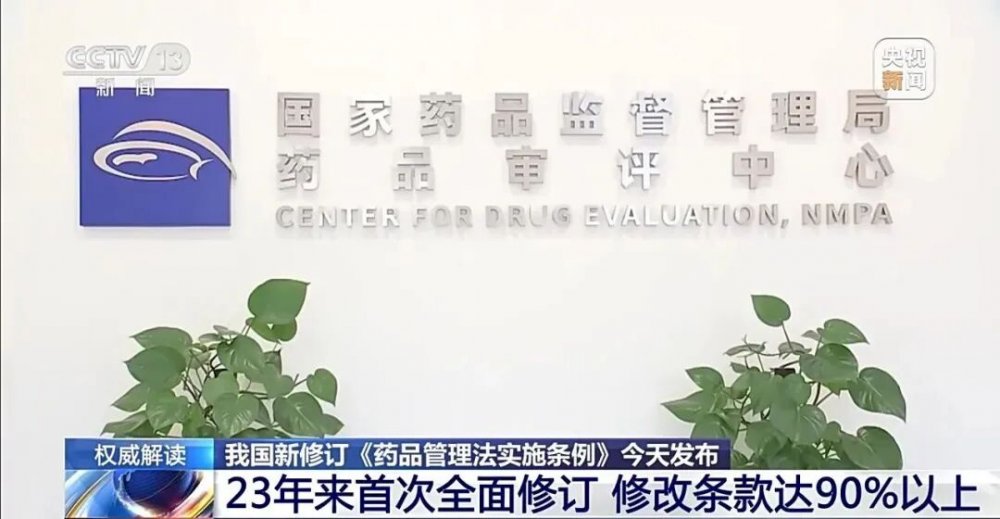
药品管理法实施条例迎来23年来首次全面修订 如何更好满足用药需求?
Yang Shi Wang· 2026-01-28 02:45
Core Viewpoint - The newly revised "Regulations for the Implementation of the Drug Administration Law of the People's Republic of China" will take effect on May 15, marking the first comprehensive revision in 23 years, with over 90% of the provisions modified to better meet public medication needs [1][3]. Group 1: Regulatory Changes - The focus of the regulations has shifted from managing drug production and operation enterprises to centering on the responsibilities of drug marketing authorization holders, enhancing strict supervision throughout the entire lifecycle of drugs [3]. - Four expedited pathways for drug approval have been clearly defined in the new regulations, including breakthrough therapy drugs, conditional approvals, priority reviews, and special approvals [4]. Group 2: Intellectual Property and Market Exclusivity - The revised regulations expand the drug trial data protection system and introduce a market exclusivity period for drugs, particularly benefiting rare disease medications and pediatric drugs, with exclusivity periods of up to 7 years for rare diseases and 2 years for pediatric drugs [6][7]. - The data protection period allows innovative drug companies to achieve reasonable returns, which supports ongoing research and development, while after this period, generic drug companies can simplify their market applications using original drug data, potentially lowering drug prices [9]. Group 3: Online Drug Sales Regulation - The online retail scale of drugs in China is projected to exceed 700 billion yuan in 2024 and 800 billion yuan in 2025, prompting the need for clear regulations to ensure the quality and safety of online drug purchases [10]. - The new regulations specify the obligations of online platforms, requiring them to rigorously verify the qualifications of drug sellers and to maintain relevant management records [12]. Group 4: Traditional Chinese Medicine (TCM) Standards - The revised regulations encourage the implementation of quality management standards for the production of traditional Chinese medicine materials, aiming to standardize and enhance the development level of TCM [14].
李强签署国务院令,《药品管理法实施条例》发布!
券商中国· 2026-01-27 09:38
Core Viewpoint - The revised "Regulations for the Implementation of the Drug Administration Law of the People's Republic of China" aims to enhance drug innovation, streamline drug approval processes, and strengthen drug safety supervision, marking the first comprehensive revision in over 20 years [3][4]. Group 1: Drug Research and Registration - The new regulations support drug development and innovation guided by clinical value, encouraging the creation of new drugs and their clinical promotion [1][5]. - A fast-track registration process for new drugs has been established, along with clear re-registration procedures and mechanisms for converting prescription drugs to over-the-counter status [1][4]. - Special market exclusivity periods are granted for pediatric and rare disease medications, along with data protection for drugs containing novel chemical components [1][9]. Group 2: Drug Production Management - The regulations enforce strict management of drug contract manufacturing, clarifying the responsibilities of drug marketing authorization holders [2][13]. - Specific management requirements for the production and sale of traditional Chinese medicine (TCM) products have been outlined [2][12]. Group 3: Drug Distribution and Usage - The regulations improve the management of online drug sales, emphasizing the responsibilities of third-party platforms in drug transactions [2][10]. - Medical institutions are required to adhere to strict drug management practices to ensure the quality of drugs used [2][11]. Group 4: Drug Safety Supervision - The regulations specify measures for drug safety supervision and inspection, detailing the process for quality sampling and testing [2][5]. - Strict legal responsibilities for violations have been established to enhance accountability [2][5]. Group 5: Encouragement of Drug Innovation - The revised regulations explicitly encourage innovation by supporting clinical value-oriented drug research and improving the quality and efficacy of generic drugs [6][7]. - Four expedited approval pathways for breakthrough therapies, conditional approvals, and priority reviews have been formally included in the regulations [6][8]. Group 6: Intellectual Property Protection - The regulations strengthen the protection of drug intellectual property, introducing a market exclusivity period for innovative drugs [7][9]. - The exclusivity period for pediatric drugs is capped at two years, while rare disease drugs can receive up to seven years of exclusivity [9]. Group 7: Online Drug Sales Regulation - The regulations clarify the responsibilities and requirements for online drug sales platforms, mandating the establishment of dedicated management systems [11][10]. - The regulations also encourage the implementation of quality management standards for TCM production to enhance the quality of raw materials [11][12]. Group 8: Production Flexibility - The regulations allow for segmented contract manufacturing, enabling more efficient production of innovative drugs that require specialized processes [13][14]. - A pilot program for segmented production of innovative drugs will be initiated in select provinces starting in 2024 [14].
天价救命药有效成分竟为零,假药谋利必须重办
Qi Lu Wan Bao· 2025-12-24 06:38
Group 1 - The article discusses two cases related to the purchase of overseas cancer drugs, highlighting the contrast between a compassionate act and a fraudulent scheme [1][2] - The first case involves a man named Lu Yong who imported affordable generic drugs from India to help leukemia patients, resulting in a non-prosecution decision by the authorities, showcasing the humane aspect of the law [1] - In contrast, the second case involves a man named Mao who sold counterfeit cancer drugs, specifically a generic version of the patented drug Anlotinib, which contained no effective ingredients and was priced around 1500 yuan per box [1] Group 2 - The counterfeit drugs pose significant dangers, draining patients' savings, delaying treatment, and undermining pharmaceutical intellectual property rights, which could stifle innovation in the industry [1][2] - The article emphasizes the need for improved medical insurance coverage for cancer drugs, urging relevant departments to accelerate the optimization of insurance policies and provide clear information to patients about legitimate purchasing channels [2] - Protecting pharmaceutical intellectual property is crucial, as the development of original cancer drugs like Anlotinib requires substantial time and financial investment, and its recognition with a national patent award exemplifies the importance of safeguarding innovation [2]