
药品定价政策

Search documents
Novo Nordisk shares tumble 18% after 2026 sales dip warning
Yahoo Finance· 2026-02-04 12:45
Core Viewpoint - Shares in Novo Nordisk have significantly declined following a forecast indicating a drop in sales and profit growth for 2026, which is below analyst expectations due to pricing and patent expiry challenges [1][2]. Sales and Profit Outlook - Novo Nordisk anticipates a potential sales decline of up to 13% at constant exchange rates (CER) for the upcoming year, marking the first sales decrease in years [1] - Adjusted operating profit growth is also expected to decrease by 13% at CER [1] - The 2026 guidance for sales and operating profit is projected to be 8% and 10% below consensus estimates, respectively, at the midpoints [2] Recent Performance - In 2025, Novo reported CER sales growth of 10%, reaching DKr 309 billion [3]. Pricing and Policy Impact - The weak outlook for 2026 is attributed to pricing pressures in the US, particularly due to President Trump's Most Favored Nation (MFN) policy, which led to a pricing deal that significantly reduced prices for its semaglutide brands [4] - The agreement was made in the context of potential tariffs on imported drugs, which posed a significant risk to Novo, as the US is its most profitable market [5] Patent Expiry and Competition - Patent expiries for semaglutide in markets such as Brazil, Canada, and China have negatively impacted the sales outlook for 2026 [6] - Increased competition from Eli Lilly's products, including tirzepatide brands Zepbound and Mounjaro, has further constrained Novo's market share in the obesity treatment sector [6] Market Position - Novo Nordisk has seen a decline in its market value, slipping down the rankings of the most valuable companies in Europe, while Eli Lilly has achieved a trillion-dollar market cap, highlighting the contrasting fortunes of the two companies [7]
2026摩根大通医疗健康周:聚焦授权交易与定价政策
Xin Lang Cai Jing· 2026-01-13 15:44
Core Insights - The JPM Healthcare Week, regarded as the most important week in the global biopharmaceutical, medical device, and healthcare technology sectors, takes place annually in January in San Francisco [1][2] - The focus of the 2026 JPM Healthcare Conference will be on licensing deals and pricing policies, rather than large mergers and acquisitions [1][2] - Companies such as AbbVie (ABBV), Novartis (NVS), Revolution Medicines (RVMD), and Abivax (ABVX) may be impacted by discussions surrounding licensing deals and drug pricing policies [1][2]



艾伯维(ABBV.US)承诺在美投资千亿美元 以换取关税豁免
智通财经网· 2026-01-13 03:38
Core Viewpoint - AbbVie (ABBV.US) has signed an agreement with the U.S. government to lower certain drug prices and invest $100 billion in domestic operations in exchange for specific tariff exemptions [1] Group 1: Agreement Details - The agreement responds to four key demands from the Trump administration, including providing low-cost drugs for the Medicaid program, selling affordable drugs directly to patients, and ensuring that overseas drug prices do not fall below U.S. domestic prices [1] - AbbVie will invest the $100 billion over the next ten years in U.S. research and capital expenditure projects, including drug manufacturing [1] - The company has not yet provided details on the specific allocation of the $100 billion investment [1] Group 2: Pricing and Compliance - AbbVie will lower drug prices within the Medicaid program and supply certain drugs directly to patients through the "TrumpRx" website launched by the Trump administration [1] - In return for these commitments, AbbVie will receive tariff exemptions and will be exempt from future mandatory drug pricing policies [1]
突然,集体跳水!特朗普,最新宣布!
券商中国· 2025-12-20 11:06
Core Viewpoint - President Trump's recent statements pose a negative outlook for insurance companies, as he plans to convene them to discuss price reductions due to their substantial profits [1][2][3]. Group 1: Impact on Insurance Companies - Trump announced he will meet with large insurance companies to advocate for price reductions, suggesting they could cut prices by 50% to 70% given their high profits [3]. - Following Trump's comments, stock prices of major health insurance companies, including UnitedHealth Group, Cigna, and Humana, experienced significant declines, with UnitedHealth Group dropping nearly 1% after initially rising [2][3]. - The American Health Insurance Plans association stated that premiums reflect medical costs and that insurance companies are working hard to protect Americans from rising healthcare costs [4]. Group 2: Drug Pricing Agreements - Trump announced agreements with nine pharmaceutical companies aimed at lowering drug prices for Americans in exchange for a three-year delay on tariffs [6]. - Fourteen out of the largest seventeen pharmaceutical companies have agreed to significantly reduce drug prices, which Trump claims is a major victory for patient affordability [6][7]. - The agreements are intended to provide certainty in drug pricing policies while avoiding high tariffs for pharmaceutical companies [7]. Group 3: Broader Economic Context - Rising healthcare costs and other consumer price increases have heightened public dissatisfaction with the economy, potentially influencing upcoming elections [4]. - Republican lawmakers are pushing for bipartisan healthcare reforms to protect voters in swing districts ahead of the midterm elections [4].

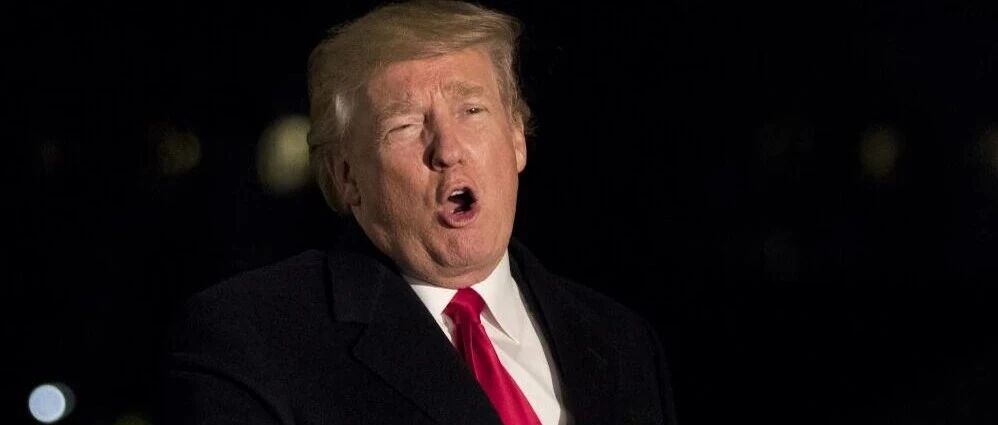
"Exciting Race" Between LLY & NVO, Tariffs Remain Long-Term Overhang
Youtube· 2025-10-06 16:00
Core Insights - The weight loss drug market has seen significant growth, with Eli Lilly and Nova Nordisk both rising over 30% from their lows in early August [1][2] - The injectable weight loss drug market is expected to expand with new products launching by the end of the year, indicating a competitive landscape [2][4] Company Performance - Eli Lilly's stock has rebounded significantly, driven by market developments and the large number of overweight or obese individuals in the U.S., estimated at around 100 million [3][4] - The pricing strategy for weight loss drugs is crucial, with potential discounts leading to increased market penetration and revenue opportunities [4][5] Market Dynamics - The competition between Eli Lilly and Nova Nordisk is intensifying, with both companies vying for market leadership in the injectable weight loss drug sector [6][8] - Analysts suggest that there is enough market opportunity for both companies to achieve strong revenue and earnings growth over the next five years [8] Regulatory Environment - Recent announcements from the Trump administration regarding drug pricing and manufacturing policies may benefit companies like Eli Lilly, particularly in terms of domestic manufacturing [10][11] - The "most favored nation" executive order aims to lower U.S. drug prices, but there are concerns about its implementation and potential long-term impacts on the industry [12][13] Investment Strategies - Eli Lilly's stock has rallied approximately 11% this month, with upcoming earnings reports prompting interest in options trading strategies to leverage potential price movements [15][16] - A specific options strategy discussed involves selling a neutral to bullish out-of-the-money put vertical, providing a cushion against downside risk [17][18]


Lilly CEO: U.K. has gone from biopharma leader to laggard
Youtube· 2025-09-16 22:02
Core Viewpoint - The UK has been declining as a leader in biopharmaceuticals due to policy mistakes, making it unattractive for investment, which should serve as a warning to US policymakers [2][5]. Investment Environment - The UK market has become increasingly unattractive for investment over the years, despite having a strong academic and scientific base [3][5]. - The company has paused investments in the UK, awaiting policy changes from the new administration [4][5]. Policy Issues - The UK pricing system for new medicines is outdated, pegged to a value from 1997, which has not adjusted for healthcare inflation of 4-5% per year, effectively debasing the value of new medicines [6][7][8]. - The UK spends half per capita on medicine compared to the US on a GDP-adjusted basis, indicating a need for policy reform to improve investment attractiveness [8]. - A tax imposed on the pharmaceutical industry for budget overruns in healthcare, which was 23% of sales last year, is seen as detrimental to attracting investment [9][10]. Global Competition - The US is a leader in the invention of new medicines, with 70% of global new medicines developed there, highlighting the importance of maintaining overseas markets for these products [14][15]. - The current pricing policies in Europe, including the UK, hinder the ability to raise prices and attract investment, which is essential for the sustainability of the industry [11][15]. Market Dynamics - The reimbursement process for new medicines in the UK is slow, often taking years, which contrasts with the immediate availability of new products in the US [18][19]. - The company believes that if the UK were to reimburse certain medicines, such as Mjaro for obesity, it could significantly impact health costs in the country [17].
特朗普的药品定价政策是对制药公司的重大打击
news flash· 2025-05-12 13:27
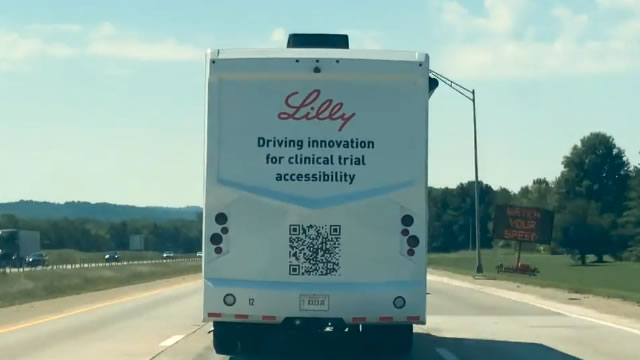
Core Viewpoint - Trump's "Most Favored Nation" drug pricing policy poses a significant threat to the pharmaceutical industry, although its political support in Congress remains uncertain [1] Industry Impact - Analysts from Bryan Garnier Research indicate that the policy could impact various Medicare programs, but the specifics are currently unclear [1] - The policy was previously introduced during Trump's first term in 2020 but was blocked by a federal judge and later rescinded by President Biden in 2021 [1]