药物列管

Search documents
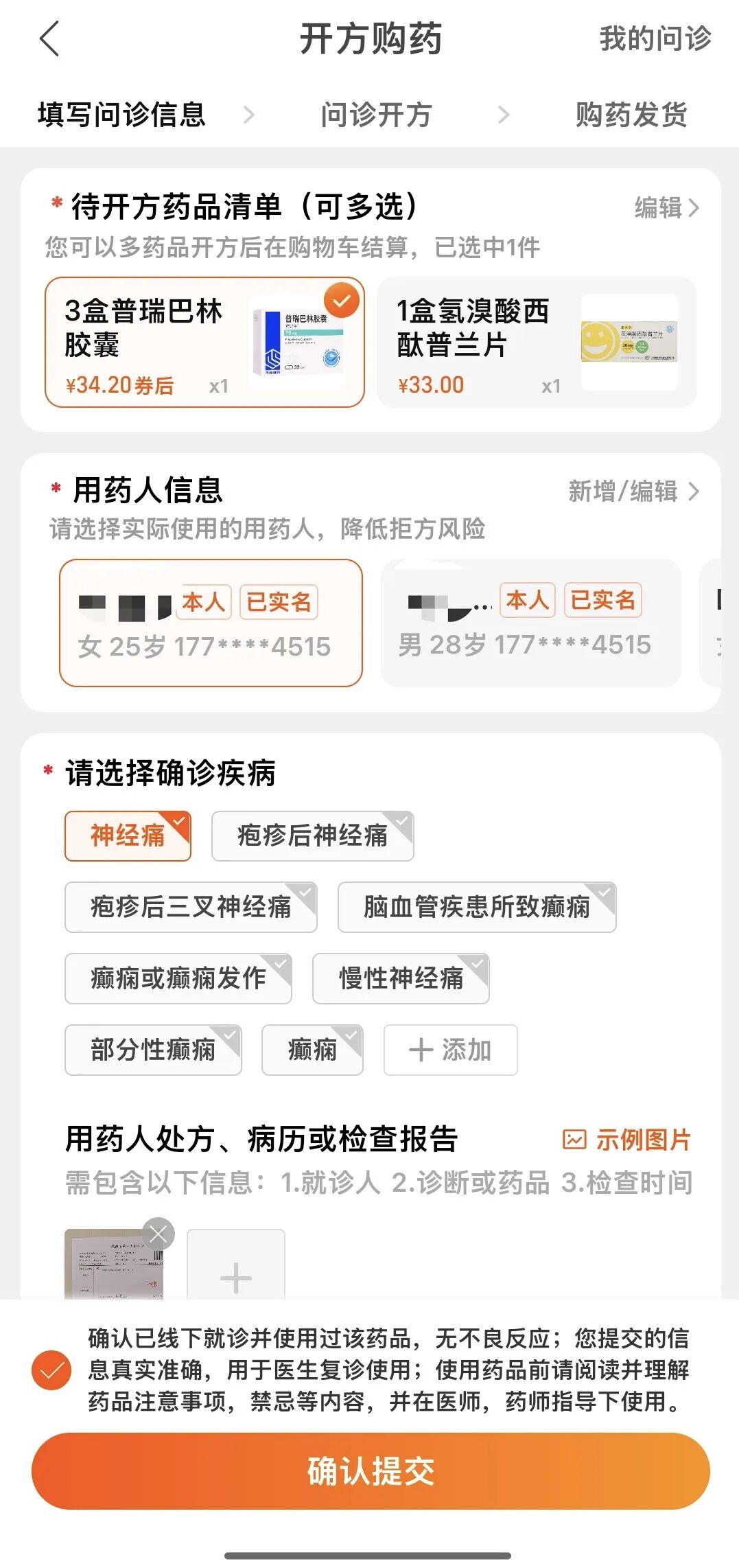
“成瘾永远只是冰山一角”,为了“不用面对现实”,他们开始滥用普瑞巴林
Xin Jing Bao· 2025-12-26 00:12
Core Viewpoint - The article highlights the rising trend of pregabalin abuse in China, particularly among youth, as a substitute for previously abused substances like dextromethorphan, raising concerns about its potential for addiction and the need for monitoring [2][23][26]. Group 1: Case Studies and Trends - Lin Ke, a clinical medicine student, experienced severe side effects and hospitalizations due to pregabalin abuse, indicating a growing issue of dependency among users [1][3][4]. - Reports of pregabalin abuse have emerged in China, with cases documenting dependency and severe withdrawal symptoms, suggesting a shift in drug abuse patterns following the regulation of dextromethorphan [2][27][28]. - Pregabalin has become a popular choice for drug abusers due to its accessibility and perceived safety compared to other controlled substances [18][22]. Group 2: Medical and Clinical Insights - Pregabalin is primarily used to treat epilepsy, neuropathic pain, and generalized anxiety disorder, but its misuse for non-medical purposes is becoming increasingly common [9][10]. - Clinical observations indicate that the misuse of pregabalin is particularly prevalent among adolescents and young adults, often linked to emotional distress and social difficulties [19][22]. - The medical community is beginning to recognize the addiction potential of pregabalin, with some doctors expressing surprise at the emerging cases of dependency [29][30]. Group 3: Regulatory and Monitoring Concerns - There is an ongoing debate about whether pregabalin should be classified as a controlled substance, with concerns that strict regulations could lead to increased use of more dangerous alternatives [31][32]. - The article notes that while pregabalin is currently managed as a prescription drug, there is a lack of comprehensive monitoring and regulation, which could exacerbate the issue of abuse [25][36]. - The rise in pregabalin abuse has prompted some local regulatory bodies to initiate special inspections, indicating a growing awareness of the problem [35].

右美沙芬被禁后 他们开始滥用普瑞巴林
Xin Lang Cai Jing· 2025-12-25 17:24
Core Viewpoint - The article highlights the rising trend of pregabalin abuse in China, particularly among youth, as a substitute for previously abused substances like dextromethorphan, raising concerns about its potential for addiction and the need for monitoring [1][2][10]. Group 1: Case Reports and Trends - Recent reports indicate a significant increase in cases of pregabalin abuse, with a notable rise in patients seeking treatment for dependency [1][2][18]. - A case study published in March 2025 documented the first reported instance of pregabalin dependency in China, where a patient escalated their dosage from 16-32 capsules daily to 80 capsules within a month [18]. - The Shandong Drug Adverse Reaction Monitoring Center reported a minor patient who switched to pregabalin after dextromethorphan was regulated, with doses reaching up to 30 capsules per use [2][18]. Group 2: Mechanism and Effects - Pregabalin is primarily used to treat neuropathic pain and anxiety disorders, but its mechanism of action, which lowers neuronal excitability, is being misused for anxiety relief and emotional escape [9][10]. - Users report initial euphoric effects, but prolonged use leads to negative side effects, including paranoia and cognitive decline, as seen in the experiences of individuals like Wang Long [8][9]. Group 3: Accessibility and Regulation - Pregabalin is easily accessible online, often without the need for a legitimate prescription, making it a popular choice among those seeking to abuse substances [16][25]. - The article discusses the potential need for stricter regulations on pregabalin, similar to those imposed on dextromethorphan, due to the increasing number of abuse cases [17][22]. Group 4: Social Dynamics and Influence - Social media and peer influence play significant roles in the spread of drug abuse, with users sharing experiences and recommendations that encourage others to try pregabalin [10][14]. - The normalization of drug use within certain social circles contributes to the ongoing cycle of addiction, as individuals seek to escape negative emotions and social pressures [26][27]. Group 5: Treatment and Prevention Challenges - The article emphasizes the challenges in addressing drug abuse, noting that many individuals do not seek help until their addiction has severely impacted their lives [26][28]. - There is a call for a multi-tiered prevention approach that includes education for at-risk populations, early intervention for those exhibiting risky behaviors, and comprehensive treatment for those already dependent [27].