药物成瘾

Search documents
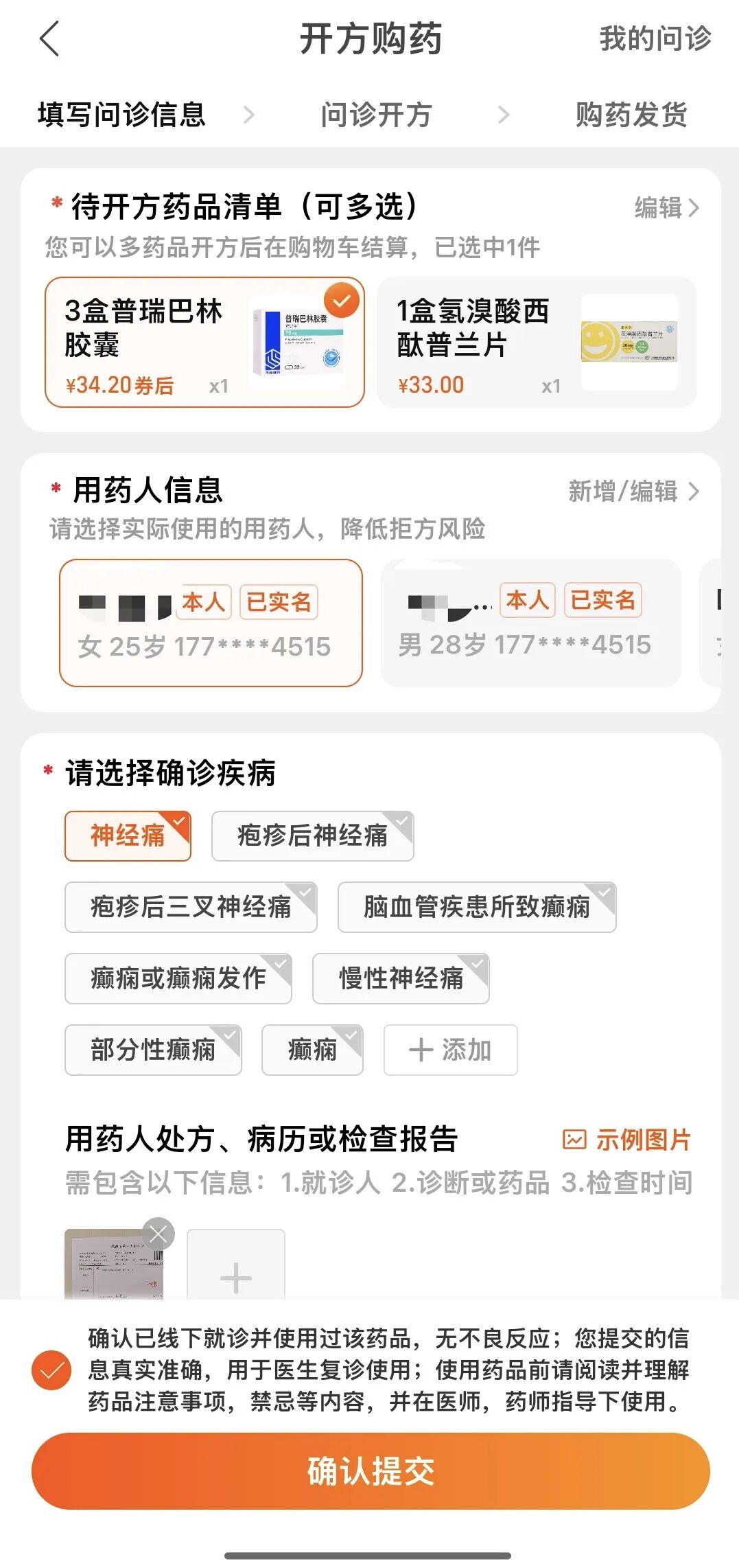
“成瘾永远只是冰山一角”,为了“不用面对现实”,他们开始滥用普瑞巴林
Xin Jing Bao· 2025-12-26 00:12
Core Viewpoint - The article highlights the rising trend of pregabalin abuse in China, particularly among youth, as a substitute for previously abused substances like dextromethorphan, raising concerns about its potential for addiction and the need for monitoring [2][23][26]. Group 1: Case Studies and Trends - Lin Ke, a clinical medicine student, experienced severe side effects and hospitalizations due to pregabalin abuse, indicating a growing issue of dependency among users [1][3][4]. - Reports of pregabalin abuse have emerged in China, with cases documenting dependency and severe withdrawal symptoms, suggesting a shift in drug abuse patterns following the regulation of dextromethorphan [2][27][28]. - Pregabalin has become a popular choice for drug abusers due to its accessibility and perceived safety compared to other controlled substances [18][22]. Group 2: Medical and Clinical Insights - Pregabalin is primarily used to treat epilepsy, neuropathic pain, and generalized anxiety disorder, but its misuse for non-medical purposes is becoming increasingly common [9][10]. - Clinical observations indicate that the misuse of pregabalin is particularly prevalent among adolescents and young adults, often linked to emotional distress and social difficulties [19][22]. - The medical community is beginning to recognize the addiction potential of pregabalin, with some doctors expressing surprise at the emerging cases of dependency [29][30]. Group 3: Regulatory and Monitoring Concerns - There is an ongoing debate about whether pregabalin should be classified as a controlled substance, with concerns that strict regulations could lead to increased use of more dangerous alternatives [31][32]. - The article notes that while pregabalin is currently managed as a prescription drug, there is a lack of comprehensive monitoring and regulation, which could exacerbate the issue of abuse [25][36]. - The rise in pregabalin abuse has prompted some local regulatory bodies to initiate special inspections, indicating a growing awareness of the problem [35].

请留意!身体发出的这些“求救信号”不容忽视 正视“痛”点守护健康
Yang Shi Wang· 2025-10-20 02:51
Group 1 - Recent significant temperature drops in northern regions have led to increased reports of joint and head pain, potentially linked to cold stimuli, migraines, and hypertension [1] - Over 50% of patients seek medical attention due to pain, with chronic pain often signaling underlying health issues such as leukemia or heart disease [1] - Chronic pain lasting over three months can lead to depression and sleep disorders, affecting overall health and quality of life [1] Group 2 - There are many effective treatments for pain, and conditions like shingles and migraines should not be endured without timely intervention [3] - The prevalence of migraines is around 10%, particularly among individuals aged 20 to 40, and early medication is advised during migraine attacks [4] - For mild migraines, non-steroidal anti-inflammatory drugs (NSAIDs) can be used, while moderate to severe cases may require more targeted medications under professional guidance [4] Group 3 - Concerns about dependency on pain medications are addressed, with a distinction made between opioid and non-opioid analgesics [6] - Non-opioid analgesics like acetaminophen and ibuprofen are considered safe when used as directed and do not lead to addiction [8] - Cases of addiction to opioids are rare when these medications are used at standard doses and in a regulated manner [10]