三级预防

Search documents
如何预防阿尔茨海默病
Xin Lang Cai Jing· 2026-02-25 17:54
Group 1 - The core viewpoint of the articles emphasizes the increasing prevalence of Alzheimer's disease among younger populations and the importance of early detection and prevention strategies [1][2]. - Alzheimer's disease symptoms include cognitive decline, impairment in daily living abilities, and non-cognitive neuropsychiatric symptoms, with early signs such as forgetfulness and personality changes warranting attention [1]. - Research indicates that 1 in 5 diagnosed Alzheimer's patients is under 60 years old, highlighting the need for awareness of risk factors such as poor lifestyle choices and chronic diseases [1]. Group 2 - The first level of prevention advocates for a healthy lifestyle among the general population, including smoking cessation, regular exercise, social engagement, balanced diet, and management of chronic conditions [1]. - The second level of prevention, known as "three early prevention," focuses on early detection, diagnosis, and treatment, recommending cognitive health screenings for individuals over 50 and timely medical consultations for suspected symptoms [2]. - The third level of prevention involves care for diagnosed patients to prevent disease progression, emphasizing the importance of daily care, safety measures, and rehabilitation [2].
右美沙芬被禁后 他们开始滥用普瑞巴林
Xin Lang Cai Jing· 2025-12-25 17:24
Core Viewpoint - The article highlights the rising trend of pregabalin abuse in China, particularly among youth, as a substitute for previously abused substances like dextromethorphan, raising concerns about its potential for addiction and the need for monitoring [1][2][10]. Group 1: Case Reports and Trends - Recent reports indicate a significant increase in cases of pregabalin abuse, with a notable rise in patients seeking treatment for dependency [1][2][18]. - A case study published in March 2025 documented the first reported instance of pregabalin dependency in China, where a patient escalated their dosage from 16-32 capsules daily to 80 capsules within a month [18]. - The Shandong Drug Adverse Reaction Monitoring Center reported a minor patient who switched to pregabalin after dextromethorphan was regulated, with doses reaching up to 30 capsules per use [2][18]. Group 2: Mechanism and Effects - Pregabalin is primarily used to treat neuropathic pain and anxiety disorders, but its mechanism of action, which lowers neuronal excitability, is being misused for anxiety relief and emotional escape [9][10]. - Users report initial euphoric effects, but prolonged use leads to negative side effects, including paranoia and cognitive decline, as seen in the experiences of individuals like Wang Long [8][9]. Group 3: Accessibility and Regulation - Pregabalin is easily accessible online, often without the need for a legitimate prescription, making it a popular choice among those seeking to abuse substances [16][25]. - The article discusses the potential need for stricter regulations on pregabalin, similar to those imposed on dextromethorphan, due to the increasing number of abuse cases [17][22]. Group 4: Social Dynamics and Influence - Social media and peer influence play significant roles in the spread of drug abuse, with users sharing experiences and recommendations that encourage others to try pregabalin [10][14]. - The normalization of drug use within certain social circles contributes to the ongoing cycle of addiction, as individuals seek to escape negative emotions and social pressures [26][27]. Group 5: Treatment and Prevention Challenges - The article emphasizes the challenges in addressing drug abuse, noting that many individuals do not seek help until their addiction has severely impacted their lives [26][28]. - There is a call for a multi-tiered prevention approach that includes education for at-risk populations, early intervention for those exhibiting risky behaviors, and comprehensive treatment for those already dependent [27].


糖尿病人如何打好“持久战”
Zhong Guo Qing Nian Bao· 2025-11-15 01:46
Core Insights - The article highlights the challenges faced by diabetes patients in managing their condition, emphasizing the need for detailed and personalized management plans to improve patient outcomes [1][2][3] Group 1: Patient Management Challenges - Many diabetes patients struggle with long-term management due to a lack of symptoms, leading to medication non-compliance and poor lifestyle choices [1][2] - Emotional factors such as anxiety and depression can complicate diabetes management, affecting blood sugar control [9][11] Group 2: Medical Approaches - A modern Chinese medicine approach to diabetes management includes a classification system that differentiates between types of diabetes and stages of the disease, allowing for tailored treatment [3][5] - The integration of Western and traditional Chinese medicine is becoming more common, with clinical studies exploring combined treatment methods [5][7] Group 3: Importance of Education and Support - There is a critical need for health education in community and family settings to help patients understand dietary adjustments and medication management [4][10] - Family support plays a significant role in diabetes management, with the need for a balanced approach to avoid over-restriction or neglect of the patient's needs [10][11] Group 4: Prevention of Complications - Diabetes patients are at a higher risk for cardiovascular diseases, with studies indicating that about one-third of diabetes patients may have concurrent heart conditions [7][8] - Early detection and management of pre-diabetes can prevent the progression to full-blown diabetes, highlighting the importance of regular monitoring [8] Group 5: Future Directions - The "Healthy China Action" plan aims to improve diabetes management services and increase the treatment and control rates of diabetes by 2030 [8]
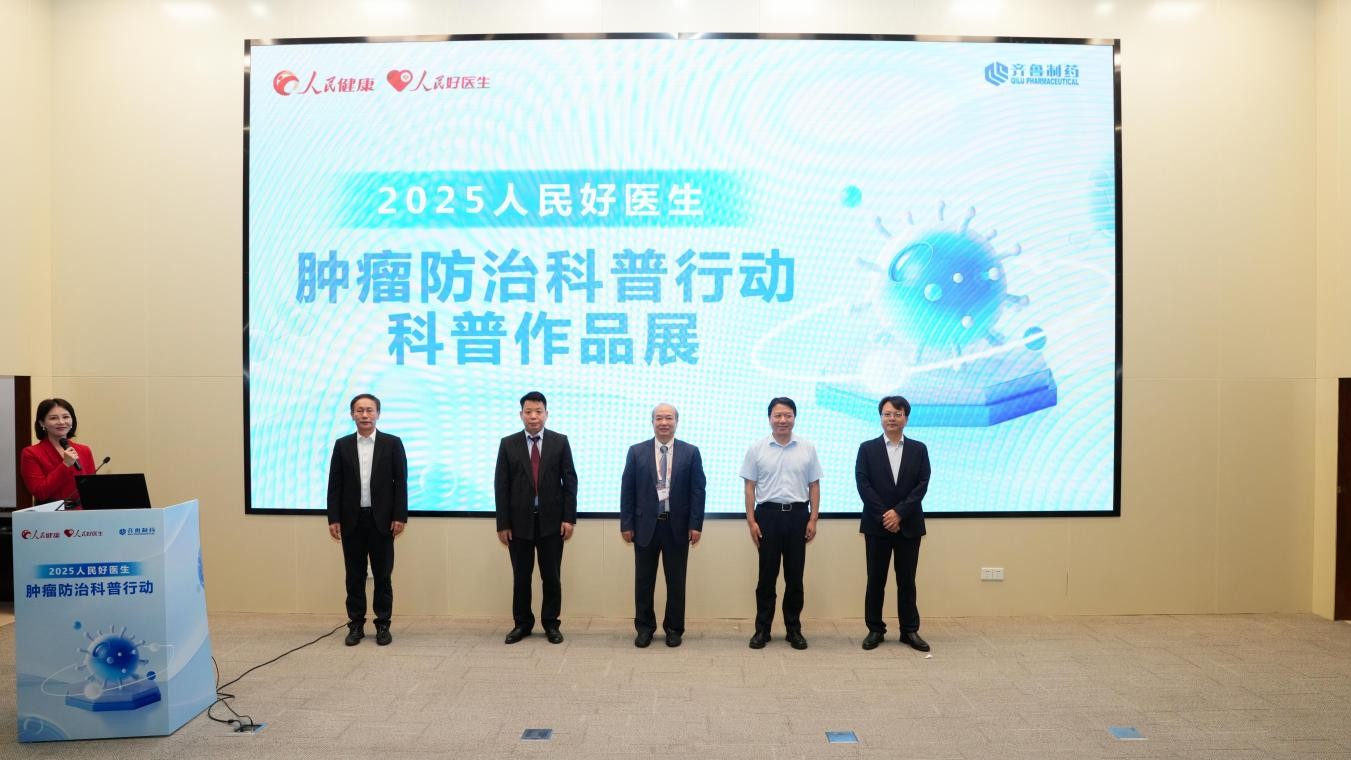
科普何以“入脑入心” 这场肿瘤防治“科普秀”引关注
Ren Min Wang· 2025-09-15 07:50
Core Insights - The 28th Annual Academic Conference of the Chinese Society of Clinical Oncology (CSCO) was held in Jinan, Shandong, where experts shared cutting-edge research and clinical experiences in oncology [1][4] - The "2025 People's Good Doctor Cancer Prevention and Treatment Science Popularization Action" exhibition was launched, focusing on cancer prevention and treatment [3][5] Group 1: Cancer Prevention Strategies - The core strategy for cancer prevention is the "three-level prevention," which requires tailored science popularization strategies for different populations [4] - For the general public, the focus should be on cultivating healthy lifestyles, such as balanced diets, regular exercise, and avoiding smoking and excessive drinking [4] - High-risk groups require targeted early screening education, explaining risk factors, early symptoms, and screening methods to promote early diagnosis and treatment [4] Group 2: Role of Healthcare Professionals - Multidisciplinary collaboration is essential for comprehensive cancer management, with science popularization being a crucial component [4][5] - Healthcare professionals have a responsibility to translate complex treatment concepts into understandable language for patients to avoid delays in treatment due to misunderstandings [4] Group 3: Importance of Science Popularization - The science popularization exhibition serves as a platform for knowledge dissemination and a bridge for communication between medical professionals and the public [5] - Effective science popularization can transform reactive treatment into proactive prevention, reducing potential health risks and economic burdens [5][6] - The exhibition aims to inspire more healthcare workers to create quality science popularization content, contributing to the Healthy China 2030 goal [5] Group 4: Corporate Responsibility - Qilu Pharmaceutical Company emphasized its commitment to social responsibility and the importance of science education in cancer prevention [6] - The company aims to support cancer prevention initiatives and promote high-quality science popularization to benefit the public [6] Group 5: Innovations in Science Popularization - Experts discussed the need for continuous innovation in the forms and content of science popularization [10] - The use of artificial intelligence, such as Q&A robots and personalized content delivery, can enhance the precision and convenience of science popularization services [10] - Establishing incentive mechanisms for healthcare professionals to engage in science popularization is crucial for making cancer prevention knowledge accessible to the public [10]