
普瑞巴林

Search documents
片仔癀1类创新药PZH2107片剂Ⅱ期临床试验完成首例受试者入组
Zhong Zheng Wang· 2026-02-10 11:53
Core Viewpoint - The collaboration between Pianzaihuang and Shanghai Lidao Pharmaceutical Technology Co., Ltd. focuses on the development of the innovative drug PZH2107 for the treatment of fibromyalgia, which has entered the Phase II clinical trial stage [1][2]. Group 1: Company Developments - Pianzaihuang announced the completion of the first subject enrollment for the Phase II clinical trial of PZH2107, which is designed as a randomized, double-blind, placebo-controlled, multi-center study [1]. - The drug PZH2107 is available in two dosages: 5mg and 20mg, specifically targeting fibromyalgia treatment [1]. - The clinical trial protocol has received approval from the ethics committee of the Beijing Union Medical College Hospital, with the first subject enrolled on February 8, 2026 [1]. Group 2: Industry Insights - Fibromyalgia is a common chronic pain syndrome with a prevalence rate of 2%-4% in the general population, often accompanied by fatigue, sleep, and emotional disorders [2]. - The fibromyalgia treatment market is projected to reach $4.69 billion by 2035, according to ResearchNester [2]. - Current first-line treatments, such as pregabalin, duloxetine, and milnacipran, only partially alleviate symptoms and are associated with significant side effects, indicating an unmet clinical need for more effective treatment options [2].

苑东生物EP-0226片I期临床试验完成首例受试者给药
Bei Jing Shang Bao· 2026-01-29 11:21
Core Viewpoint - Yuan Dong Biotech (688513) has announced the initiation of Phase I clinical trials for its innovative chemical drug EP-0226, aimed at treating neuropathic pain, in collaboration with the Shanghai Institute of Materia Medica and the Zhongke Zhongshan Drug Innovation Research Institute [1] Group 1 - The first subject has been dosed in the clinical trial for EP-0226 [1] - Preclinical studies indicate that EP-0226 demonstrates superior target selectivity, in vivo analgesic activity, and efficacy compared to the approved drug pregabalin [1] - The safety profile of EP-0226 is reported to be good, suggesting it may provide a safe and effective treatment option for patients suffering from neuropathic pain [1]

苑东生物(688513.SH):EP-0226 片I期临床试验完成首例受试者给药
Ge Long Hui A P P· 2026-01-29 10:28
Core Viewpoint - Yuan Dong Biotech (688513.SH) has initiated Phase I clinical trials for its innovative drug EP-0226, developed in collaboration with the Shanghai Institute of Materia Medica and Zhongke Zhongshan Drug Innovation Research Institute, aimed at treating neuropathic pain [1] Group 1: Drug Development - EP-0226 is a novel calcium channel (Cav2.2) modulator designed to treat neuropathic pain by binding to the calcium channel α2δ subunit, reducing calcium influx in neurons, and consequently decreasing the release of excitatory neurotransmitters such as glutamate and norepinephrine [1] - Preclinical studies indicate that EP-0226 demonstrates superior target selectivity, analgesic activity, and efficacy compared to the approved drug pregabalin, with good safety profiles, potentially offering a new safe and effective treatment option for patients with neuropathic pain [1]
21岁,他已经学会不再想“以后”
3 6 Ke· 2026-01-21 08:32
Core Viewpoint - The article explores the life of a young man named Shaoyong, who has been struggling with drug overdose (OD) as a means to escape his emotional turmoil stemming from depression and a challenging family background. It highlights the normalization of OD among youth and the societal indifference towards mental health issues. Group 1: Background and Personal Struggles - Shaoyong, at 21, began experiencing OD at 17, driven by depression, family issues, and peer influence, viewing it as a way to escape his problems [2][5][10] - He describes his family dynamics, particularly the lack of communication with his single father, which contributed to his feelings of isolation and misunderstanding regarding mental health [5][19] - Shaoyong's initial curiosity about OD was influenced by his social circle, where discussions about drug use were common, leading him to experiment with substances like dextromethorphan [6][10] Group 2: The Impact of OD on Daily Life - Over three years, Shaoyong has consumed dozens of different drugs, with his usage escalating to taking hundreds of pills at once, indicating a growing dependency [9][10] - He acknowledges that OD has become a habitual response to his emotional distress, with the initial thrill giving way to a cycle of dependency and withdrawal symptoms [8][10] - Shaoyong's financial situation worsened as he dropped out of school and struggled to maintain a stable income, leading to a reliance on live streaming for income, which is often interrupted by platform regulations [11][25][26] Group 3: Social Perception and Isolation - The article illustrates the stigma surrounding OD, with Shaoyong feeling judged by others while simultaneously normalizing his behavior as a coping mechanism [13][29] - He expresses a sense of detachment from societal expectations and the pressures of familial relationships, often feeling misunderstood by those around him [19][29] - Despite his struggles, Shaoyong finds temporary solace in relationships, such as with his girlfriend, yet these connections are fraught with challenges related to his drug use [23][25]


行业洞察:国产新药迈入临床,癌痛治疗开辟新路径
Tou Bao Yan Jiu Yuan· 2026-01-13 12:13
Investment Rating - The report does not explicitly state an investment rating for the industry [1]. Core Insights - Adult cancer pain management is a systematic project aimed at achieving comprehensive pain control through standardized assessment, individualized treatment, and multidisciplinary collaboration [4]. - Cancer pain is a prevalent symptom among cancer patients, with a high incidence rate of 44.5%, and nearly one-third of patients suffer from moderate to severe pain [11]. - The adult cancer pain treatment market in China is expected to grow from 3.76 billion CNY in 2020 to 6.36 billion CNY by 2029, with a compound annual growth rate (CAGR) of 6.8% from 2020 to 2024 and 5.3% from 2025 to 2029 [20]. Summary by Sections Cancer Pain Management - Cancer pain management involves a comprehensive approach that includes pain screening, assessment, and management tailored to the patient's overall treatment goals [3][4]. - The management process is based on standardized screening and dynamic assessment, following principles of regularity, quantification, comprehensiveness, and dynamism [4]. Epidemiological Characteristics - Cancer pain has a high prevalence among patients, particularly in advanced stages, where over 80% experience pain [11]. - The main causes of cancer pain are tumor progression (over 90%) and treatment-related pain (approximately 20%) [11]. - Pain types include nociceptive pain (around 60%), neuropathic pain (19%), and mixed pain (20%) [11]. Treatment Medications - Common medications for cancer pain include weak opioids (e.g., codeine, tramadol), strong opioids (e.g., morphine, fentanyl), non-steroidal anti-inflammatory drugs (NSAIDs), and acetaminophen [15][16]. - There is a shift towards the development of non-opioid medications to provide safer and sustainable pain management options [16]. Market Outlook - The adult cancer pain treatment market is projected to expand significantly due to increasing clinical needs and the introduction of innovative non-opioid drugs [19][20]. - The treatment rate for cancer pain is expected to rise from approximately 70% to 90% by 2029, indicating a growing population receiving standardized treatment [20]. Innovation Trends - Treatment strategies are transitioning from reliance on opioids to a multimodal approach that includes NSAIDs and adjuvant analgesics [26]. - The focus on non-opioid innovative drugs is becoming a breakthrough direction in drug development [26]. - There is an emphasis on personalized medication management and the establishment of a comprehensive management network through medical alliances [26][27].
“成瘾永远只是冰山一角”,为了“不用面对现实”,他们开始滥用普瑞巴林
Xin Jing Bao· 2025-12-26 00:12
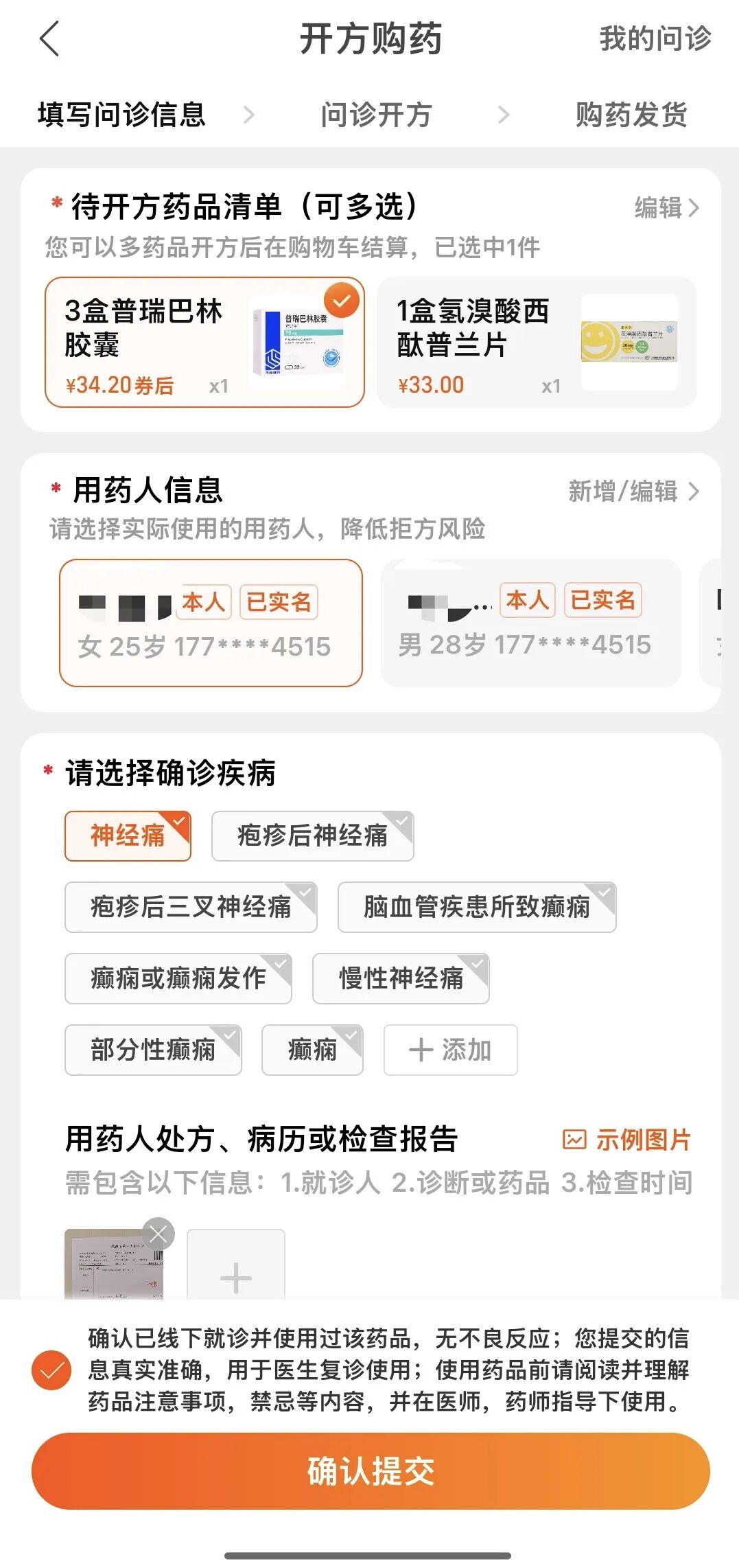
Core Viewpoint - The article highlights the rising trend of pregabalin abuse in China, particularly among youth, as a substitute for previously abused substances like dextromethorphan, raising concerns about its potential for addiction and the need for monitoring [2][23][26]. Group 1: Case Studies and Trends - Lin Ke, a clinical medicine student, experienced severe side effects and hospitalizations due to pregabalin abuse, indicating a growing issue of dependency among users [1][3][4]. - Reports of pregabalin abuse have emerged in China, with cases documenting dependency and severe withdrawal symptoms, suggesting a shift in drug abuse patterns following the regulation of dextromethorphan [2][27][28]. - Pregabalin has become a popular choice for drug abusers due to its accessibility and perceived safety compared to other controlled substances [18][22]. Group 2: Medical and Clinical Insights - Pregabalin is primarily used to treat epilepsy, neuropathic pain, and generalized anxiety disorder, but its misuse for non-medical purposes is becoming increasingly common [9][10]. - Clinical observations indicate that the misuse of pregabalin is particularly prevalent among adolescents and young adults, often linked to emotional distress and social difficulties [19][22]. - The medical community is beginning to recognize the addiction potential of pregabalin, with some doctors expressing surprise at the emerging cases of dependency [29][30]. Group 3: Regulatory and Monitoring Concerns - There is an ongoing debate about whether pregabalin should be classified as a controlled substance, with concerns that strict regulations could lead to increased use of more dangerous alternatives [31][32]. - The article notes that while pregabalin is currently managed as a prescription drug, there is a lack of comprehensive monitoring and regulation, which could exacerbate the issue of abuse [25][36]. - The rise in pregabalin abuse has prompted some local regulatory bodies to initiate special inspections, indicating a growing awareness of the problem [35].
右美沙芬被禁后 他们开始滥用普瑞巴林
Xin Lang Cai Jing· 2025-12-25 17:24
Core Viewpoint - The article highlights the rising trend of pregabalin abuse in China, particularly among youth, as a substitute for previously abused substances like dextromethorphan, raising concerns about its potential for addiction and the need for monitoring [1][2][10]. Group 1: Case Reports and Trends - Recent reports indicate a significant increase in cases of pregabalin abuse, with a notable rise in patients seeking treatment for dependency [1][2][18]. - A case study published in March 2025 documented the first reported instance of pregabalin dependency in China, where a patient escalated their dosage from 16-32 capsules daily to 80 capsules within a month [18]. - The Shandong Drug Adverse Reaction Monitoring Center reported a minor patient who switched to pregabalin after dextromethorphan was regulated, with doses reaching up to 30 capsules per use [2][18]. Group 2: Mechanism and Effects - Pregabalin is primarily used to treat neuropathic pain and anxiety disorders, but its mechanism of action, which lowers neuronal excitability, is being misused for anxiety relief and emotional escape [9][10]. - Users report initial euphoric effects, but prolonged use leads to negative side effects, including paranoia and cognitive decline, as seen in the experiences of individuals like Wang Long [8][9]. Group 3: Accessibility and Regulation - Pregabalin is easily accessible online, often without the need for a legitimate prescription, making it a popular choice among those seeking to abuse substances [16][25]. - The article discusses the potential need for stricter regulations on pregabalin, similar to those imposed on dextromethorphan, due to the increasing number of abuse cases [17][22]. Group 4: Social Dynamics and Influence - Social media and peer influence play significant roles in the spread of drug abuse, with users sharing experiences and recommendations that encourage others to try pregabalin [10][14]. - The normalization of drug use within certain social circles contributes to the ongoing cycle of addiction, as individuals seek to escape negative emotions and social pressures [26][27]. Group 5: Treatment and Prevention Challenges - The article emphasizes the challenges in addressing drug abuse, noting that many individuals do not seek help until their addiction has severely impacted their lives [26][28]. - There is a call for a multi-tiered prevention approach that includes education for at-risk populations, early intervention for those exhibiting risky behaviors, and comprehensive treatment for those already dependent [27].

用错或耽误病情!专家提醒:止痛药不能随意吃
Sou Hu Cai Jing· 2025-12-20 06:37
Core Viewpoint - Experts warn against the indiscriminate and long-term use of painkillers, emphasizing that while they can alleviate symptoms, they do not address the underlying causes of pain [1][3]. Group 1: Pain Management Guidelines - Different pain medications should be used based on the underlying cause of pain, such as non-steroidal anti-inflammatory drugs (NSAIDs) like celecoxib for muscle and joint pain [3]. - For neuropathic pain caused by conditions like shingles, medications such as pregabalin are recommended [3]. Group 2: Concerns About Addiction - The potential for addiction primarily relates to the long-term use of opioid painkillers, such as morphine and oxycodone, which are strictly regulated and should only be used under medical supervision [3]. - Common pain relievers like acetaminophen, ibuprofen, and celecoxib do not carry a risk of addiction [3]. Group 3: When to Seek Medical Attention - Sudden severe headaches or headaches accompanied by symptoms like fever, nausea, vomiting, confusion, or numbness require immediate medical attention [5]. - Any changes in the nature, location, or pattern of headaches should prompt a visit to a healthcare provider to avoid delaying treatment [5].

止痛药上瘾?国家卫健委答21:不能长期任意吃,以下药合理使用
2 1 Shi Ji Jing Ji Bao Dao· 2025-12-19 11:52
Core Viewpoint - The National Health Commission emphasizes the importance of proper use of painkillers, highlighting that long-term use can mask underlying conditions and may lead to dependency, particularly with opioid medications [1][2]. Group 1: Pain Management Guidelines - Painkillers should not be used arbitrarily over long periods as they may only control symptoms without addressing the root cause, potentially delaying necessary treatment [1] - Different types of pain require specific medications; for instance, non-steroidal anti-inflammatory drugs (NSAIDs) like celecoxib and diclofenac are recommended for muscle and joint pain, while medications like pregabalin and gabapentin are suitable for neuropathic pain [1] Group 2: Addiction Concerns - Long-term use of opioid painkillers such as morphine and oxycodone can lead to addiction, but strict regulations in China help mitigate this risk when used under medical supervision [2] - Common NSAIDs like ibuprofen and acetaminophen generally do not pose addiction risks, although increasing dosages does not enhance efficacy and may increase side effects [2] Group 3: Headache Management - Identifying and avoiding specific triggers can help reduce the frequency of migraines, such as sleep disturbances or certain foods [2] - Severe or sudden headaches, especially when accompanied by symptoms like fever, nausea, or altered consciousness, require immediate medical attention to prevent complications [2]
一头痛、关节痛就吃止痛药?专家建议
Ren Min Wang· 2025-12-19 10:33
Core Viewpoint - The use of painkillers should be regulated, as long-term use can mask underlying conditions and may lead to dependency, particularly with opioid medications [1][2] Group 1: Pain Management Insights - Painkillers primarily control symptoms rather than address the root cause of pain, which can delay necessary treatment [1] - Different types of pain require specific medications; for example, non-steroidal anti-inflammatory drugs (NSAIDs) like celecoxib and diclofenac are suitable for muscle and joint pain, while medications like pregabalin and gabapentin are used for neuropathic pain caused by conditions like shingles [1] Group 2: Dependency and Usage Guidelines - Opioid painkillers, such as morphine and oxycodone, carry a risk of addiction with long-term use, but strict regulations in China help mitigate this risk when used under medical supervision [2] - Common NSAIDs like ibuprofen and acetaminophen generally do not lead to addiction, but increasing their dosage does not enhance efficacy and may increase side effects [2] Group 3: Headache Management - Identifying and avoiding specific triggers can help reduce the frequency of migraines, such as lack of sleep or certain foods [2] - Severe headaches accompanied by symptoms like fever, nausea, or altered consciousness require immediate medical attention to prevent complications [2]