
思诺思

Search documents
宝宝异常嗜睡体内查出安眠药成分
Xin Lang Cai Jing· 2026-01-02 08:12
Core Viewpoint - A serious incident involving a 9-month-old baby in Yongkang, Zhejiang, where the child was found to have traces of the sedative Zolpidem in their system, allegedly administered by a nanny [1] Group 1: Incident Details - The mother, Ms. Xu, reported that her baby became unusually drowsy and had a reduced milk intake after hiring a nanny for 26 days at a cost of 7,600 yuan [1] - Medical tests revealed the presence of Zolpidem, a controlled substance used for short-term treatment of severe insomnia [1] - The nanny has been taken into police custody for investigation, while she denies any wrongdoing, claiming she is "innocent" [1] Group 2: Company Response - The management of the agency that provided the nanny stated they are unaware of the specific circumstances and are awaiting the results of the police investigation [1] - The nanny reportedly informed the agency that the baby was on medication due to illness, which the mother refuted, stating the baby was only taking a small dose of Amoxicillin for a urinary tract condition [1]
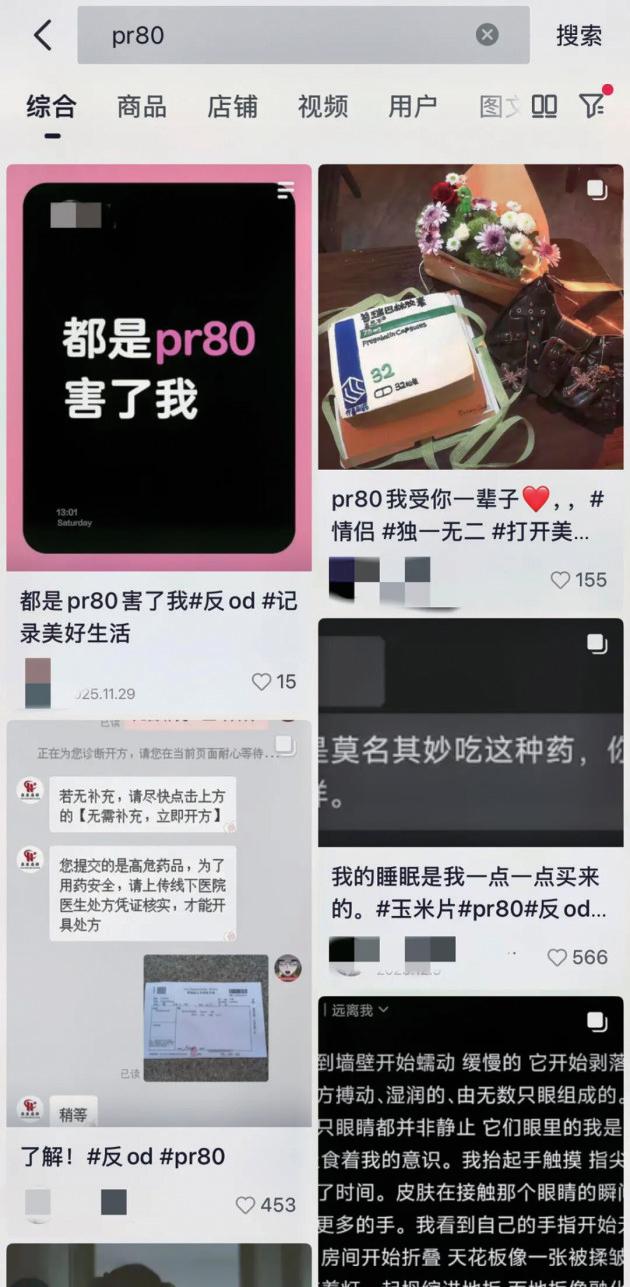
右美沙芬被禁后 他们开始滥用普瑞巴林
Xin Lang Cai Jing· 2025-12-25 17:24
Core Viewpoint - The article highlights the rising trend of pregabalin abuse in China, particularly among youth, as a substitute for previously abused substances like dextromethorphan, raising concerns about its potential for addiction and the need for monitoring [1][2][10]. Group 1: Case Reports and Trends - Recent reports indicate a significant increase in cases of pregabalin abuse, with a notable rise in patients seeking treatment for dependency [1][2][18]. - A case study published in March 2025 documented the first reported instance of pregabalin dependency in China, where a patient escalated their dosage from 16-32 capsules daily to 80 capsules within a month [18]. - The Shandong Drug Adverse Reaction Monitoring Center reported a minor patient who switched to pregabalin after dextromethorphan was regulated, with doses reaching up to 30 capsules per use [2][18]. Group 2: Mechanism and Effects - Pregabalin is primarily used to treat neuropathic pain and anxiety disorders, but its mechanism of action, which lowers neuronal excitability, is being misused for anxiety relief and emotional escape [9][10]. - Users report initial euphoric effects, but prolonged use leads to negative side effects, including paranoia and cognitive decline, as seen in the experiences of individuals like Wang Long [8][9]. Group 3: Accessibility and Regulation - Pregabalin is easily accessible online, often without the need for a legitimate prescription, making it a popular choice among those seeking to abuse substances [16][25]. - The article discusses the potential need for stricter regulations on pregabalin, similar to those imposed on dextromethorphan, due to the increasing number of abuse cases [17][22]. Group 4: Social Dynamics and Influence - Social media and peer influence play significant roles in the spread of drug abuse, with users sharing experiences and recommendations that encourage others to try pregabalin [10][14]. - The normalization of drug use within certain social circles contributes to the ongoing cycle of addiction, as individuals seek to escape negative emotions and social pressures [26][27]. Group 5: Treatment and Prevention Challenges - The article emphasizes the challenges in addressing drug abuse, noting that many individuals do not seek help until their addiction has severely impacted their lives [26][28]. - There is a call for a multi-tiered prevention approach that includes education for at-risk populations, early intervention for those exhibiting risky behaviors, and comprehensive treatment for those already dependent [27].

抗抑郁药物,卖爆了
投资界· 2025-09-18 08:13
Core Insights - The article highlights the increasing prevalence of depression in China, with approximately 95 million individuals affected, leading to a booming market for antidepressant medications [5][12][18] - The demand for antidepressants has surged, with sales in public medical institutions exceeding 9.1 billion yuan in the previous year, marking a 6% year-on-year increase [5][7] - The market for antidepressants is becoming increasingly competitive, with numerous domestic pharmaceutical companies entering the space, particularly in the production of generic drugs [13][20] Market Dynamics - The rise in depression cases has created a vibrant pharmaceutical market, with companies like Hansoh Pharmaceutical and Jingwei Pharmaceutical achieving significant sales figures [7][12] - The sales of antidepressants in public hospitals have seen a drastic shift, with domestic companies gaining market share due to price reductions and increased competition [22][24] - The introduction of centralized procurement has led to a significant drop in drug prices, making antidepressants more accessible to patients [19][20][22] Industry Challenges - Despite the growing market, the high cost of psychological therapy remains a barrier for many patients, leading to a preference for medication over therapy [26][27] - The perception of antidepressants as a long-term necessity poses challenges for patient management, with many experiencing withdrawal symptoms when discontinuing medication [26][27] - The industry faces scrutiny over the quality of psychological counseling services, which can vary significantly, impacting patient experiences and outcomes [26][27]


抗抑郁药物,卖爆了
首席商业评论· 2025-09-18 04:45
Core Insights - The article highlights the increasing prevalence of depression in China, with approximately 95 million individuals affected, leading to a booming market for antidepressant medications [4][6]. - The demand for antidepressants has surged, with sales in public medical institutions exceeding 9.1 billion yuan in the previous year, marking a 6% year-on-year increase [4][6]. - The article discusses the shift in societal attitudes towards mental health, with more individuals seeking treatment and awareness growing, particularly among younger generations [10][12]. Market Dynamics - The pharmaceutical companies, such as Hansoh Pharmaceutical and Jingwei Pharmaceutical, have seen significant sales growth, with Jingwei's escitalopram generating 700 million yuan in revenue [6]. - The competitive landscape for antidepressants is intensifying, with over 40 generic antidepressants approved for sale in China this year alone, and at least 32 new antidepressant drugs in various stages of clinical approval [13][12]. - The article notes a shift in market dynamics due to price reductions from collective procurement, which has led to a decrease in sales revenue despite an increase in the volume of antidepressant prescriptions [20][22]. Patient Experience and Treatment - The article emphasizes the long-term nature of depression treatment, with many patients requiring ongoing medication, which can lead to withdrawal symptoms if abruptly stopped [29][31]. - The high cost of psychological therapy remains a barrier for many patients, leading to a preference for medication over therapy despite the need for a comprehensive treatment approach [31][32]. - The narrative includes personal accounts of individuals struggling with depression, illustrating the emotional and financial burdens associated with treatment [25][32]. Industry Challenges - The article points out the challenges faced by the industry, including the high barriers to developing new CNS drugs and the slow pace of innovation in antidepressant options [17][19]. - It also highlights the potential pitfalls of a saturated market, where the influx of generic drugs may not necessarily translate to profitability for all companies involved [14][23]. Societal Impact - The article discusses the broader societal implications of rising depression rates, suggesting that as society becomes more affluent, mental health issues are more likely to be recognized and addressed [11][12]. - It notes the importance of community mental health initiatives and public awareness campaigns in changing perceptions and encouraging individuals to seek help [10][11].
抗抑郁药物,卖爆了
投中网· 2025-09-17 02:52
Core Viewpoint - The article discusses the growing market for antidepressant medications in China, driven by an increasing number of patients suffering from depression and the rising acceptance of mental health treatment [5][14][28]. Group 1: Market Dynamics - The total number of individuals with depression in China has reached 95 million, with approximately 38 million registered patients as of 2023, leading to a booming pharmaceutical market [6][7]. - Sales of antidepressant medications in public medical institutions reached a record high of over 9.1 billion yuan in the previous year, marking a 6% year-on-year growth [6]. - The demand for antidepressants has led to significant sales increases for companies like Hansoh Pharmaceutical, which ranks among the top three in the antidepressant market, and Green Leaf Pharmaceutical, whose new drug saw a 99.9% sales surge [7][8]. Group 2: Changing Perceptions and Treatment - There is a noticeable shift in societal attitudes towards mental health, with more individuals, especially the younger generation, actively seeking treatment for depression [14][11]. - The stigma surrounding mental health issues is gradually diminishing, allowing for greater awareness and acceptance of conditions like depression [14][11]. - The article highlights the importance of early detection and intervention in managing depression, although many patients still face barriers to seeking help [11][14]. Group 3: Competitive Landscape - The number of companies producing generic antidepressants has increased significantly, with over 40 generic antidepressants approved for sale this year alone [15][16]. - The competitive landscape is intensifying, with domestic companies aggressively entering the market, leading to price reductions for antidepressant medications [25][28]. - The introduction of centralized procurement has further driven down prices, making medications more accessible to patients [26][28]. Group 4: Challenges in Treatment - Despite the growing market, many patients still struggle with the high costs of original branded medications, which can consume a significant portion of their income [21][22]. - The article notes that the development of new antidepressants is slow due to high research and development barriers, leading to a relatively stable market for existing medications [22][24]. - The perception of antidepressants as "addictive" is discussed, with experts clarifying that withdrawal symptoms are often misinterpreted as addiction [33][34]. Group 5: Future Outlook - The article suggests that as more patients seek treatment and the market continues to evolve, the demand for antidepressants will likely remain strong, despite current market fluctuations [29][30]. - The ongoing changes in pricing and market dynamics may lead to a more sustainable and accessible treatment landscape for patients suffering from depression [28][29].

卖剩余安眠药被判贩毒?“不浪费”应有更好的办法
Nan Fang Du Shi Bao· 2025-08-04 13:35
Core Viewpoint - The case of a woman selling five boxes of the controlled substance "Sino-Sleep" online has been sent back for retrial due to unclear facts in the original judgment, raising questions about the intent behind her actions and the regulation of controlled substances in China [1] Group 1: Case Details - The woman, identified as Ma, sold five boxes (35 tablets) of Sino-Sleep online for a profit of 300 yuan, and was later charged with drug trafficking [1] - Initially sentenced to seven months in prison with a one-year probation and a fine of 2,000 yuan, the case has garnered public attention due to the perception of Sino-Sleep as a common sleeping aid rather than a controlled substance [1] - The focus of the controversy lies in whether Ma had the intent to sell drugs, which is crucial for establishing the criminal charge [1] Group 2: Regulatory Issues - Sino-Sleep is classified as a Category II controlled substance in China, which poses addiction risks if misused and must be purchased with a prescription [2] - There are existing issues with the over-prescription of such drugs, as evidenced by past cases where individuals exploited gaps in hospital prescription records to obtain excessive quantities [2] - The current regulatory framework for Category II controlled substances is weak, leading to potential legal risks for patients who may not be aware of the laws surrounding the disposal of leftover medications [2] Group 3: Recommendations for Improvement - There is a need for a structured mechanism for the return and disposal of Category II controlled substances, similar to existing regulations for Category I substances [3] - Encouraging patients to return unused medications through incentive programs could enhance public awareness of the risks associated with these drugs [3] - The case highlights the necessity for improved regulations on the prescription and distribution of controlled substances to prevent misuse while ensuring patient safety [3]
最高法:高度重视治理医疗用麻精药品流弊问题
Zhong Guo Xin Wen Wang· 2025-06-23 07:28
Core Viewpoint - The Supreme People's Court emphasizes the dual approach of punishment and governance in addressing the misuse of medical narcotic drugs, highlighting the need for both legal action and preventive measures to combat the issue effectively [1][2]. Group 1: Legal Actions - The People's Court has prioritized the governance of medical narcotic drugs, focusing on both punishment and prevention, ensuring accurate case classification and appropriate penalties [2]. - In April and June 2023, the Supreme People's Court issued guidelines to standardize the adjudication of narcotic drug cases, providing clear directives for judicial practice [2]. - The court aims to punish crimes related to the abuse of narcotic drugs while safeguarding the public's legitimate medication needs, ensuring that the classification of cases considers the nature of the drugs and the intent behind their use [2]. Group 2: Governance Measures - The court is extending its judicial functions to promote source governance and comprehensive management of narcotic drugs [3]. - Public awareness campaigns are being strengthened to educate the public on the risks of misusing medical narcotic drugs, emphasizing adherence to medical advice [3]. - The People's Court is collaborating with relevant departments to identify gaps in regulation and establish a more robust regulatory framework for narcotic drugs [3].