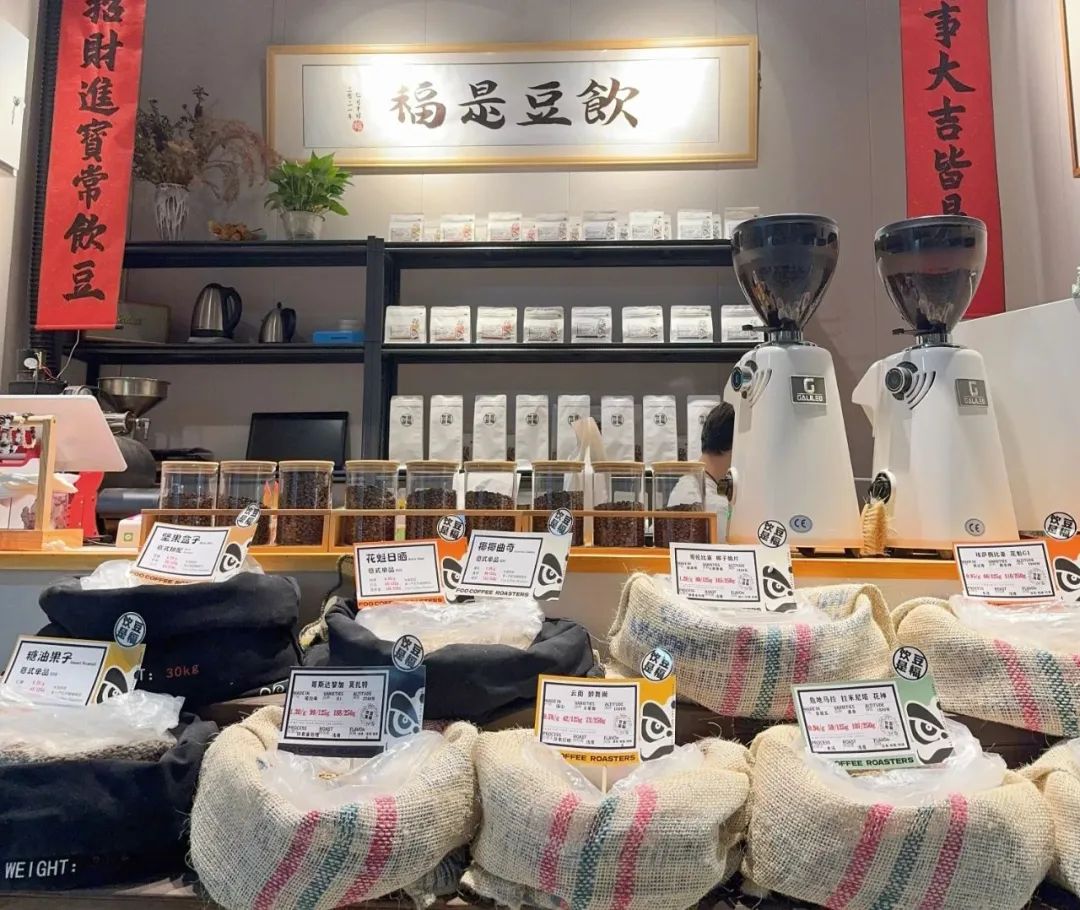
菜市场咖啡

Search documents
发现成都|咖啡香交织烟火气,成都菜市场“长出”消费新赛道
Sou Hu Cai Jing· 2025-12-08 18:09
Core Insights - The coffee shop industry in Chengdu is evolving, with over 5,000 coffee stores now present, reflecting a diversification in consumer habits and preferences [1] - Unique coffee shops like "Coffee Roasting Shop" are emerging in local markets, offering affordable prices and a relaxed atmosphere, thereby changing the way coffee is integrated into daily life [1] Industry Trends - The rise of coffee shops in traditional markets indicates a new consumer trend where coffee is becoming part of everyday routines, rather than just a luxury item [5][6] - The integration of coffee shops into local markets allows for a broader customer base, including early morning shoppers and young professionals seeking value [5][6] Business Model - "Coffee Roasting Shop" operates with a simple setup, focusing on fresh coffee beans and transparent pricing, which appeals to a diverse clientele [2][4] - The shop's daily operations align with market hours, facilitating a seamless experience for customers who incorporate coffee into their shopping routines [6] Consumer Behavior - Customers show a willingness to embrace new coffee experiences in a casual setting, reflecting a cultural acceptance of coffee as an everyday beverage [6] - The demographic of coffee drinkers is expanding, with a mix of local residents, young professionals, and coffee enthusiasts frequenting these market-based shops [5][6] Market Environment - The presence of coffee shops in traditional markets is not an isolated phenomenon; similar establishments are emerging across Chengdu, indicating a shift towards more accessible coffee experiences [6][13] - The coexistence of traditional and modern businesses in these areas creates a vibrant atmosphere, enhancing the appeal of local markets [13]

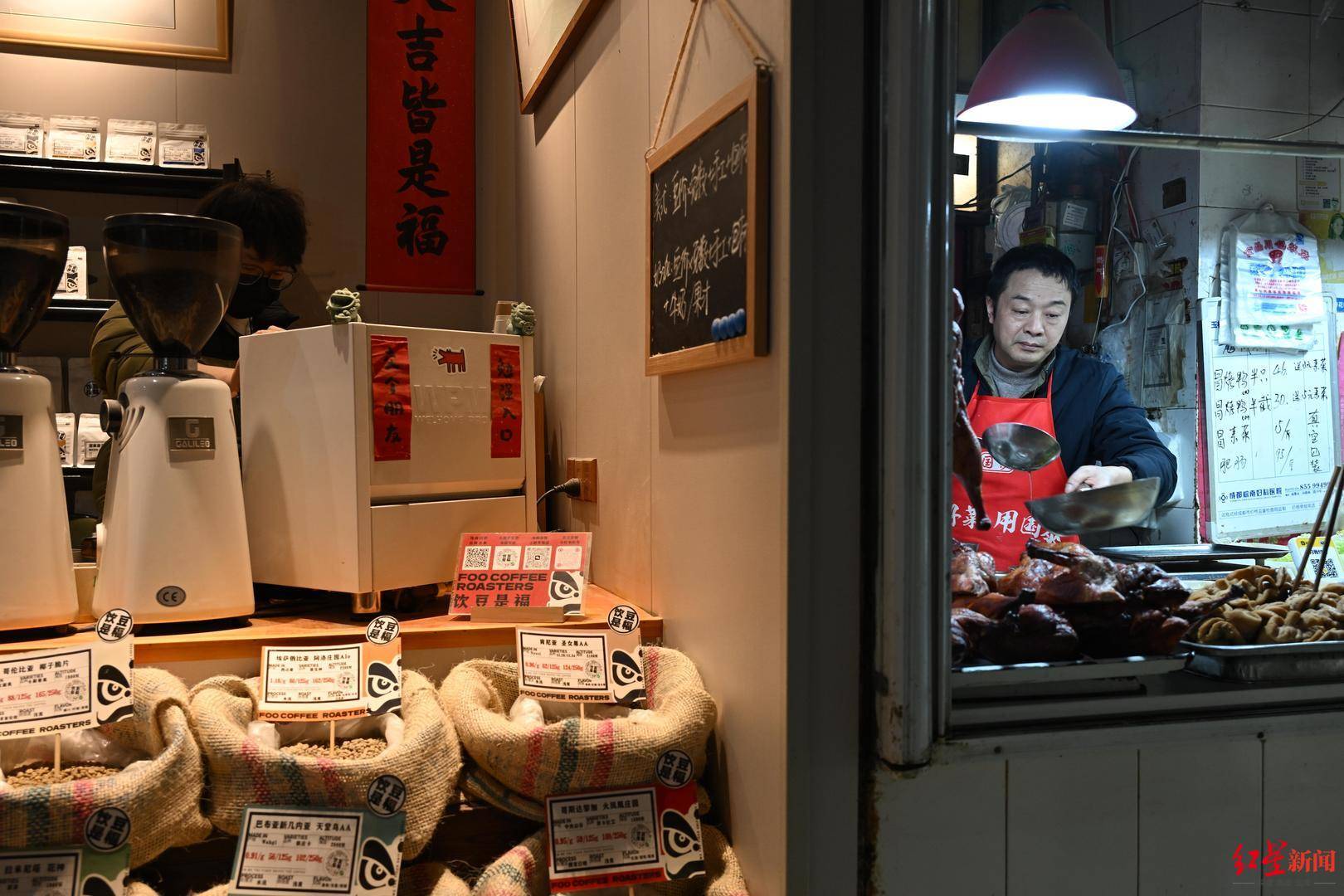
菜市场跑出爆款咖啡?90后把咖啡豆卖成“高级炒货”
3 6 Ke· 2025-06-05 01:53
Core Viewpoint - The rise of "market coffee" in China, particularly in Chengdu, is creating a new trend where coffee shops are opening in traditional markets, attracting significant consumer interest and engagement [1][3][9]. Group 1: Market Overview - A 10㎡ coffee shop named "Yin Dou Shi Fu · Coffee Roasting Shop" in Chengdu has gained popularity, selling over 100 cups daily and generating significant social media buzz with over 30,000 related posts on Xiaohongshu [3][7]. - The shop's pricing strategy ranges from 8 to 30 yuan per cup, with a unique pricing model based on the weight of coffee beans, which appeals to cost-conscious consumers [5][7]. - The concept of "market coffee" is spreading across various cities in China, including Beijing, Wuhan, and Hangzhou, with established brands like Luckin and Kudi also exploring this market [2][9]. Group 2: Business Model and Strategy - The coffee shop operates in a low-rent environment, with monthly rent at approximately 1,000 yuan, significantly lower than traditional coffee shops, which can exceed 6,000 yuan [7][12]. - The owner emphasizes the "commodity nature" of coffee, positioning it alongside other market goods like peanuts and sunflower seeds, which helps to reduce the perceived disconnect between coffee and the market setting [11][12]. - The shop's operational model includes a focus on community integration, with natural foot traffic from local shoppers and a diverse customer base, including older residents [14][15]. Group 3: Product Differentiation - Innovative product offerings, such as "market specials" that incorporate local ingredients, are being developed to enhance customer experience and differentiate from traditional coffee shops [17]. - The shop's approach to coffee preparation is simplified to cater to the market environment, which may limit the complexity of coffee-making techniques but appeals to a broader audience [23]. Group 4: Challenges and Considerations - The success of market coffee shops is contingent on their location, with "trendy markets" being more suitable for this concept, while older markets may not attract the same consumer interest [20][22]. - Operating hours and lower profit margins compared to traditional coffee shops pose challenges, as peak shopping times do not align with typical coffee consumption patterns [23]. - Environmental factors in markets, such as noise and odors, can impact the quality of coffee and customer experience, raising concerns about maintaining product standards [24][26].