
行政区划调整

Search documents
重庆新版地图上线
Xin Lang Cai Jing· 2026-02-12 14:22
Core Viewpoint - The Chongqing Municipal Planning and Natural Resources Bureau has launched a new version of the city's maps, providing updated geographic information to support the implementation of the newly established Liangjiang New Area [1] Group 1: Map Updates - The Chongqing Municipal Planning and Natural Resources Bureau, in collaboration with the Chongqing Surveying and Mapping Science and Technology Research Institute, completed the update of maps for Chongqing City, the central urban area, Liangjiang New Area, and Beibei District [1] - Over 100 standard maps related to the administrative division adjustments in Chongqing have been updated and are available for download on the bureau's website [1] Group 2: Future Plans - The Chongqing Municipal Planning and Natural Resources Bureau plans to continuously update geographic information resources and enhance public map services [1] - The bureau aims to provide precise and efficient surveying and geographic information support for the construction of a modernized Chongqing, serving as an important growth engine and driving force for urban development and social welfare [1]
中国第一个被撤销的省份,仅存3年就消失,省会如今沦为四线小城
Sou Hu Cai Jing· 2025-12-11 11:02
Core Viewpoint - The article discusses the historical context and reasons behind the dissolution of Pingyuan Province in China, which existed briefly from 1945 to 1952, and its subsequent integration into Shandong and Henan provinces [1][6]. Historical Context - Pingyuan Province was established after the founding of the People's Republic of China in 1949, based on the administrative divisions of the former Henan Province, with Xinxiang as its capital [6]. - The province had a rich historical background, tracing back to the Warring States period and was named during the Japanese occupation in parts of China [4]. Administrative Changes - In November 1952, Pingyuan Province was officially dissolved, and its territories were redistributed to Shandong and Henan provinces, marking it as the first province to be removed from China's administrative map [2][6]. Economic Development - After the dissolution, Xinxiang City, which was the provincial capital, experienced significant agricultural growth, achieving a grain production of 47.06 million tons in 2019, an increase of 85,000 tons from 2018 [7]. - Xinxiang has also developed into an important industrial base in Central China, focusing on sectors like renewable energy and biomedicine, ranking third in technological innovation within Henan Province [7]. Reasons for Dissolution - The short existence of Pingyuan Province (only 7 years) contributed to its lack of economic development and regional identity, making it less viable as a standalone province [9]. - The absence of a strong economic center and the financial burden of developing the province further justified its dissolution, as the government prioritized other areas for investment [9]. - The geographical characteristics of Pingyuan Province, primarily flat land, limited its agricultural and economic diversity, which was not conducive to long-term growth [9].

重庆,又“升级”了
虎嗅APP· 2025-11-11 10:52
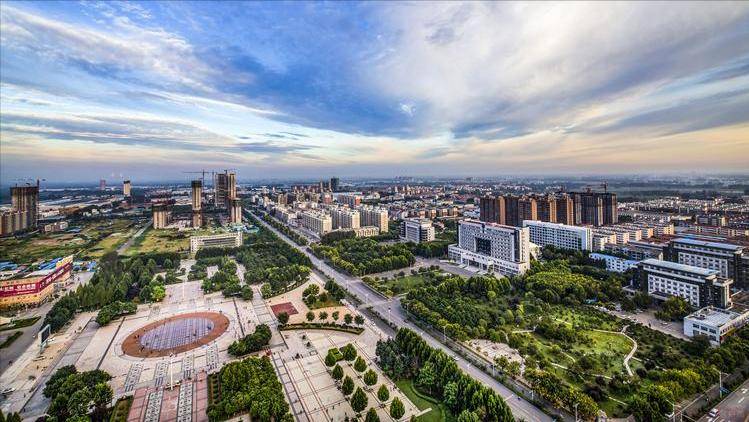
Core Viewpoint - The article discusses the recent administrative restructuring in Chongqing, which has established the Liangjiang New Area, marking a significant shift from an "economic functional area" to an "administrative district" [4][15][29]. Group 1: Administrative Restructuring - The national approval for Chongqing's administrative adjustment has led to the establishment of the Liangjiang New Area, combining the Jiangbei District and Yubei District, reducing the total number of districts from 38 to 37 [6][8]. - The Liangjiang New Area now covers approximately 1,360 square kilometers and has a population of about 3.52 million, with a GDP of 518.2 billion yuan, making it the largest economic and population area in the central and western regions [11][14]. - This adjustment is part of a broader trend among major cities in China, following similar mergers in Shanghai, Chengdu, and Jinan, indicating a move towards enhancing urban competitiveness [9][10]. Group 2: Economic Functionality Transition - The transition from an "economic functional area" to an "administrative district" is significant, as it allows for better governance and management of resources, addressing issues of fragmentation and overlapping responsibilities [16][19]. - Previously, Liangjiang New Area operated under a "1+3" joint development model, which led to management challenges as the economy grew [25][27]. - The establishment of Liangjiang New Area signals a potential trend for other national-level new areas to follow suit in transitioning to administrative districts, enhancing their governance capabilities [29]. Group 3: Future of Urban Expansion - Since 2022, there has been a slowdown in large-scale administrative adjustments across China, with a focus on maintaining stability in administrative divisions [31][33]. - The article notes that while large city mergers may be unlikely in the short term, there remains potential for administrative adjustments that enhance core competitiveness and improve administrative efficiency [34][35].

什么信号?中国第一大市,又“升级”了
凤凰网财经· 2025-11-10 13:40
Core Viewpoint - The recent administrative restructuring in Chongqing, which involves the establishment of the Liangjiang New Area, signifies a shift towards enhancing urban competitiveness and internal spatial integration, marking a transition from economic functional zones to formal administrative districts [4][10][17]. Group 1: Administrative Restructuring - The national approval of Chongqing's administrative adjustment includes the dissolution of Jiangbei and Yubei districts, consolidating them into the Liangjiang New Area [4][5]. - This adjustment reduces the number of districts in Chongqing from 38 to 37 and the central urban area from 9 to 8 [7]. - The Liangjiang New Area covers approximately 1,360 square kilometers, with a population of about 3.52 million and a GDP of 518.2 billion yuan, making it the largest economic and population center in the central and western regions [11][14]. Group 2: Economic Significance - The establishment of Liangjiang New Area positions it as a significant economic zone, ranking 13th among major districts in China, alongside Shenzhen's Bao'an District and Qingdao's Huangdao District [14]. - This move indicates the rise of the central and western regions, with Liangjiang New Area being recognized as a "500 billion strong district" [14][16]. - The transition from an economic functional area to an administrative district is crucial for effective governance and management, addressing the challenges of overlapping jurisdictions and administrative inefficiencies [22][26][28]. Group 3: Future Implications - The restructuring reflects a broader trend in urban development, where administrative adjustments are necessary to enhance core competitiveness and streamline governance [40][41]. - While large-scale administrative changes have slowed down since 2022, there remains potential for future adjustments that align with population trends and infrastructure needs [33][41]. - The focus on optimizing administrative structures suggests that while major city mergers may be unlikely in the short term, there is still room for strategic adjustments to improve urban management [40][41].
重大落子!时隔九年再现直辖市区划调整,重庆新设两江新区打造“强中心”
Hua Xia Shi Bao· 2025-11-08 11:21
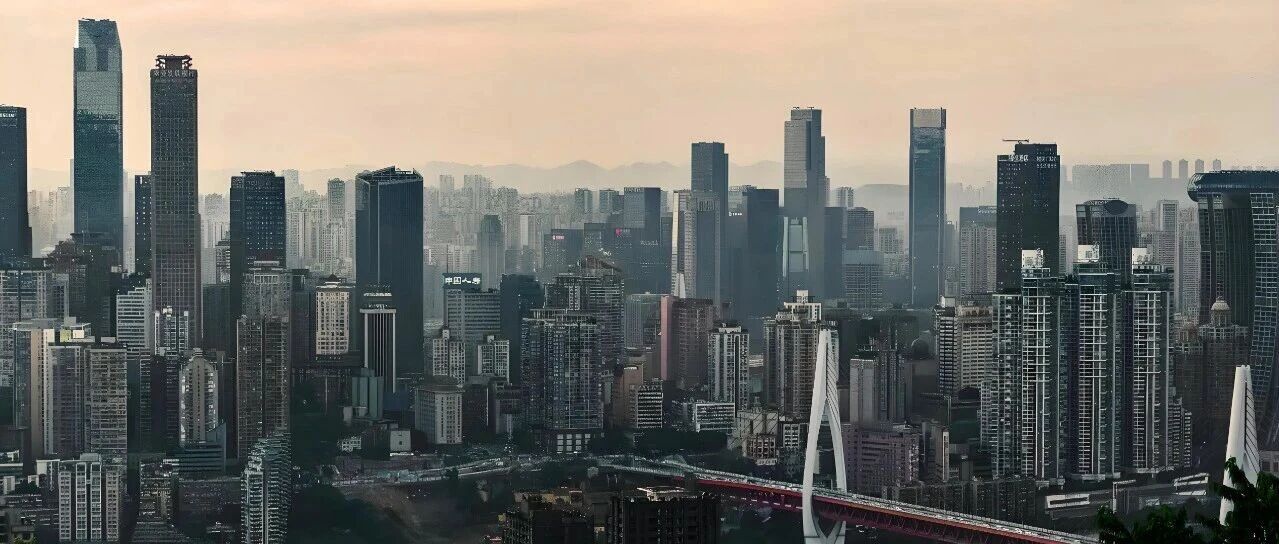
Core Points - The recent administrative adjustment in Chongqing marks the first such change in nine years, with the establishment of the Liangjiang New Area and the reallocation of certain towns to Beibei District, aimed at enhancing urban functionality and economic integration [1][4][7] - The Liangjiang New Area, previously a functional zone, is now recognized as an administrative district, which is expected to streamline governance and improve resource allocation [3][6][8] Summary by Sections Administrative Adjustment - On November 6, Chongqing announced the cancellation of Jiangbei and Yubei Districts, establishing Liangjiang New Area, which will now include parts of these districts and certain towns from Beibei District [1][3] - The adjustment aims to create a unified administrative area that enhances economic development and infrastructure planning [3][6] Liangjiang New Area Overview - Liangjiang New Area was established in 2010 and spans 1,200 square kilometers, with a population of approximately 1.08 million and a high urbanization rate of 94.5% [2] - It contributes significantly to Chongqing's economy, accounting for about 15% of the city's economic output and 20% of its industrial production [2] Economic Implications - The adjustment is seen as a major benefit for Chongqing, allowing for a more concentrated urban area that can better support economic growth and development [1][4] - The integration of administrative functions is expected to enhance the efficiency of governance and public services [3][6] Context of the Adjustment - This change occurs against a backdrop of strict controls on urban expansion and administrative changes in other major cities, highlighting its significance [7][8] - The adjustment is part of a broader strategy to optimize urban structures and promote balanced development across different regions of Chongqing [8]
重庆两江新区整合江北、渝北区升级为行政区:彻底理顺管理体制机制
Zhong Guo Jing Ying Bao· 2025-11-07 04:54
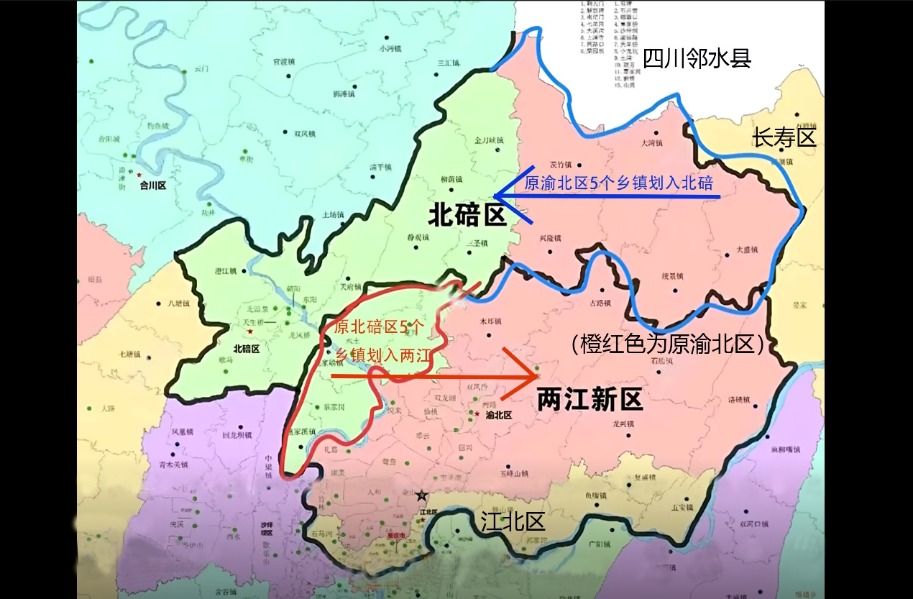
Core Points - The adjustment of administrative divisions in Chongqing has officially upgraded the Liangjiang New Area to an administrative district, making it the third national-level new area in China to achieve this status after Shanghai's Pudong New Area and Tianjin's Binhai New Area [3][12] - The main purpose of this adjustment is to streamline the management system of Liangjiang New Area, enhancing administrative efficiency and integrating economic development with administrative management [9][12] Summary by Sections Administrative Changes - The adjustment involves the abolition of Jiangbei District and most of Yubei District, with their areas incorporated into the newly established Liangjiang New Area, which will now govern these regions along with parts of Beibei District [5][6] - After the adjustment, Chongqing will have 25 districts, 8 counties, and 4 autonomous counties, totaling 37 administrative divisions [7] Economic Impact - The integration of Yubei District, which had a GDP of 276.91 billion yuan in 2024, and Jiangbei District, with a GDP of 192.43 billion yuan, into Liangjiang New Area will create a new economic powerhouse with a total GDP exceeding 500 billion yuan, marking a 7.2% year-on-year growth [12][13] - Liangjiang New Area is expected to become a key driver of economic growth for Chongqing, with improved resource allocation and public service capabilities [12][13] Future Development - The adjustment is anticipated to enhance the attractiveness and international profile of Liangjiang New Area through unified planning, investment promotion, and branding [14] - The local government emphasizes the importance of implementing the central government's directives to ensure high-quality economic and social development in the newly structured area [14]
重庆调整行政区划:撤销江北区、渝北区 设立两江新区
Jing Ji Guan Cha Wang· 2025-11-06 06:04
Core Viewpoint - The administrative division adjustment in Chongqing is a significant reform approved by the central government, aimed at supporting the long-term development of the city and its modernization efforts [1] Group 1: Administrative Changes - The adjustment involves the national-level new area of Liangjiang New Area, as well as the districts of Jiangbei, Yubei, and Beibei [1] - This reform is considered a milestone in the history of Chongqing's development [1] Group 2: Strategic Importance - The decision is made from a strategic perspective to enhance the overall development of Chongqing [1] - The adjustment is positioned as a major decision by the Chongqing municipal government to align with national modernization goals [1]
重庆市调整部分行政区划:设立两江新区 撤销江北区、渝北区
Yang Shi Xin Wen· 2025-11-06 05:24
Core Viewpoint - The administrative division adjustment in Chongqing is a significant reform aimed at promoting long-term development and modernizing the city, approved by the central government and aligned with national strategies [1][3]. Group 1: Background of the Adjustment - The adjustment is based on the objective realities of Chongqing's development stage and addresses multiple pressing needs [1]. - It aims to enhance the effectiveness of regional collaboration and resource allocation, thereby supporting the city's strategic goals [3]. Group 2: Adjustment Plan - The overall strategy focuses on optimizing the spatial structure and urban functions of the central city, ensuring a scientific division of administrative areas, and promoting coordinated urban development [2][4]. - The adjustment includes the establishment of the Liangjiang New Area, which will incorporate parts of the former Jiangbei and Yubei districts, enhancing urban integration and functionality [4][5]. Group 3: Implementation and Work Process - The adjustment process involved thorough research, expert consultations, and compliance with legal frameworks to ensure scientific and lawful execution [6][7]. - The transition will maintain continuity in administrative functions and public services, ensuring that the quality of life for residents is not compromised during the adjustment [7].
国务院同意重庆调整部分行政区划,涉两江新区及江北、渝北、北碚三行政区
Jing Ji Guan Cha Bao· 2025-11-06 05:13
Core Points - The State Council has approved the adjustment of administrative divisions in Chongqing, affecting the Liangjiang New Area and the districts of Jiangbei, Yubei, and Beibei [1] - The development of Liangjiang New Area is positioned as a new historical opportunity, emphasizing the need to align with national strategies and local development goals [2] Group 1 - The meeting highlighted the importance of implementing the spirit of the 20th Central Committee sessions and the directives from President Xi Jinping regarding Chongqing [1] - The local government aims to leverage the integration of national-level new areas and administrative districts to enhance development advantages [2] - The focus will be on fostering technological and industrial innovation, deepening reforms, and improving public welfare [2] Group 2 - The leadership emphasized the need for Liangjiang New Area to take on new missions and tasks, including supporting major national strategies and modernizing urban governance [2] - There is a commitment to achieving breakthroughs in comprehensive reforms and expanding high-level openness [2] - The initiative aims to ensure stability and enhance party governance within the region [2]
广东多地镇街撤并引关注!专家:推动发展模式转型
Nan Fang Du Shi Bao· 2025-09-18 08:02
Core Viewpoint - The recent administrative adjustments in Guangdong, particularly the merging of towns and streets, aim to optimize resource allocation and enhance governance efficiency, serving as a crucial tool for regional development and economic adaptation [1][2][9]. Summary by Sections Administrative Adjustments - Since September, cities like Shantou, Jieyang, and Zhaoqing have initiated town and street mergers, focusing on resource integration and governance structure optimization to boost regional development efficiency [2][3]. - The merging process involves combining smaller, less developed towns into larger, more capable ones to achieve efficient resource consolidation [3][4]. Economic and Governance Impacts - The adjustments are expected to reduce administrative costs, enhance governance effectiveness, and improve public service distribution, ultimately benefiting local communities [10]. - Historical context shows that similar initiatives since 2001 have led to significant improvements in administrative efficiency and economic performance in Guangdong, with a notable example being the establishment of the "thousand billion town" in Nanhai District [5][6]. Trends and Future Outlook - The ongoing trend of town and street mergers reflects a broader strategy to leverage administrative restructuring for resource aggregation and development model transformation in Guangdong [9]. - The adjustments are part of a larger national trend aimed at enhancing urbanization quality and governance modernization, with Guangdong actively participating in this movement [8].