规则输出

Search documents
突发特讯!中国商务部向世界通告:已批准部分稀土出口通用许可申请,引全球高度关注
Sou Hu Cai Jing· 2025-12-18 11:42
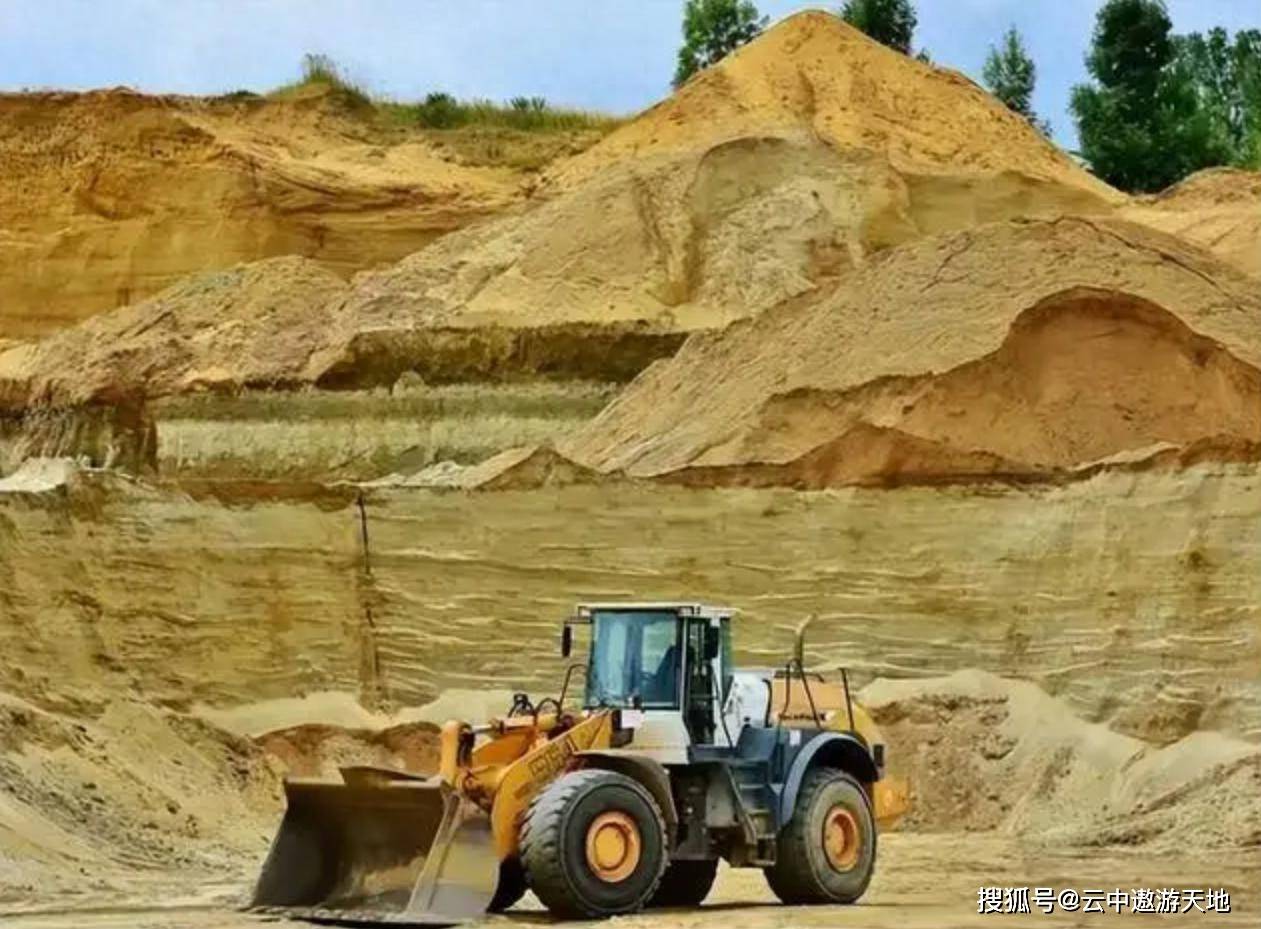
Core Viewpoint - The approval of general export licenses for certain rare earth items by China signifies a strategic shift in its approach to managing rare earth resources, moving towards a more transparent and rule-based export management system [1][5][9]. Group 1: Strategic Implications - Rare earth elements are critical for modern high-tech industries, including smartphones, electric vehicles, and military applications, with China holding the most comprehensive supply chain and significant resource reserves [3]. - The approval of export licenses indicates that China's management of rare earths is evolving from mere resource control to a comprehensive influence over technology, rules, and supply chains [5][7]. - This move reflects China's confidence and strategic intent to establish a transparent and rules-based export management system that balances global industrial needs with national security [5][9]. Group 2: Global Market Impact - The approval serves as a stabilizing factor for global supply chains, providing a clear framework for compliant trade activities [7]. - Future international trade in rare earths will increasingly emphasize compliance and responsibility, requiring entities to respect China's laws and management objectives [7]. - This action also counters long-standing Western criticisms, positioning China as a key player in shaping international rules and governance in the rare earth sector [7][9]. Group 3: Broader Context - The timing of this announcement coincides with a global technological revolution and intensified competition for critical mineral resources, highlighting the strategic importance of rare earths [5]. - The approval reflects China's ability to manage complex situations while demonstrating its ambition to shape the future of global governance [9]. - The rarity of rare earths lies not in their absolute quantity but in their strategic value, with China's clear and predictable approach being a valuable asset in a turbulent world [9].

争气了!从被西方封锁到牵头定标,东大打了一场漂亮的“翻身仗”...
Xin Lang Cai Jing· 2025-11-08 17:14
Core Viewpoint - The release of the IEC PAS 63595:2025 standard marks a significant milestone for China's leadership in the "5G + Industry" integration, filling a gap in international standards for industrial 5G and showcasing China's contributions to global manufacturing digital transformation [1][3]. Group 1: Standard Development - The IEC PAS 63595:2025 standard is the first international standard for industrial 5G, co-developed by China and Germany, with contributions from experts from 12 countries including the USA, France, and Japan [1]. - The standard signifies a shift from being a "passive recipient" to an "active shaper" of communication standards, with 65% of the technical suggestions coming from the Chinese team [3]. Group 2: Market Dynamics - China holds 42% of the essential patents for 5G standards but faced market limitations due to geopolitical pressures and exclusion from 5G infrastructure in certain countries [2]. - The demand for industrial 5G transformation in China is three times that of Europe, highlighting the significant market potential that China brings to the standard [2]. Group 3: Implementation and Future Challenges - The release of the standard is just the first step, with real challenges lying in its implementation, as international competition continues with the EU and the US launching their own initiatives [5]. - Despite these challenges, the outlook for China's industrial 5G development remains strong, with expectations of increasing strength in the sector [5].
稀土技术管制后,外媒惊觉事态严峻,带你看清全球产业链谁说了算
Sou Hu Cai Jing· 2025-10-22 02:43
Core Insights - China's recent export control on rare earths and related technologies has significant implications for global supply chains, particularly in high-tech industries [1][3][5] - Germany's response highlights the urgency of the situation, as the country relies heavily on Chinese rare earths for its manufacturing sector [3][9] Group 1: Export Control Implications - The new policy not only targets raw materials but also encompasses technology, usage ratios, and applications, setting a stringent threshold of 0.1% for rare earth content in products [3][5] - Approximately 70% of global rare earth refining occurs in China, with heavy rare earths accounting for over 90% of production, making it difficult for Western manufacturers to find alternatives [3][5][9] Group 2: Impact on Industries - The control measures affect not only high-tech sectors but also basic supply chains, impacting everyday products like smartphones and household appliances [5][9] - Prices for rare earth elements such as dysprosium and terbium have surged, with dysprosium prices doubling in recent months, indicating strong demand and the influence of Chinese policy [5][9] Group 3: Strategic Shift - China's approach is not a blanket ban but rather a structured regulation that allows compliant entities to access resources, contrasting with the U.S. strategy of restricting technology exports [7][11] - The new rules establish a framework where companies must adhere to Chinese regulations to secure rare earth supplies, shifting the balance of power in global supply chains [11][13] Group 4: European Response - Germany, as a key player in European manufacturing, acknowledges the risk of supply chain disruptions, particularly in the automotive and renewable energy sectors [9][11] - The European goal of achieving 40% domestic processing of rare earths by 2028 faces significant challenges, including technological and environmental hurdles [9][11]