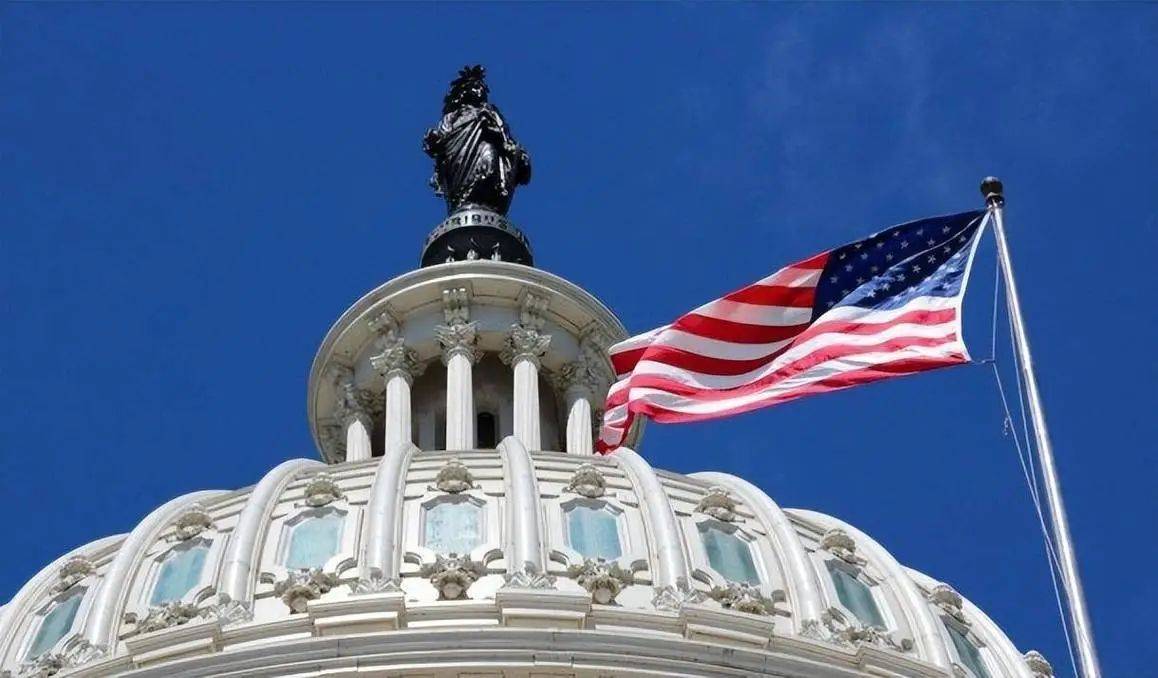
规则霸权

Search documents
数字时代 美国如何收割世界?
Sou Hu Cai Jing· 2026-02-26 17:27
Core Viewpoint - The report reveals that virtual currencies are not merely financial products but tools used by the U.S. to consolidate global financial dominance [1] Group 1: Report Findings - A report published on February 26 indicates that from 2022 to 2025, the U.S. is expected to seize over $30 billion in global virtual currency assets through various cases [3] - The largest seizure involved approximately 127,000 bitcoins worth about $15 billion, accounting for 50% of the total seized amount, marking the largest virtual asset confiscation in U.S. history [3] - The report highlights that the seized bitcoins likely originated from a $3.5 billion hack of the LuBian mining pool in December 2020, which had remained dormant for four years before being confiscated [4] Group 2: Mechanisms of Asset Seizure - The U.S. employs three main strategies to effectively "harvest" global virtual assets: technological dominance, regulatory control, and enforcement power [6][7] - The U.S. holds a significant technological advantage, controlling over 90% of the blockchain protocol development and data analysis market, allowing it to monitor nearly all bitcoin transactions [6] - The U.S. has implemented regulatory measures, such as the GENIUS Act, which mandates that stablecoin issuers allocate over 80% of their reserves to U.S. Treasury bonds, effectively tying stablecoins to U.S. debt [6] Group 3: Implications for the Global Financial System - As of January 2026, the total market value of global virtual currency assets reached $2.73 trillion, with bitcoin alone valued at $1.57 trillion, representing 47% of the total value of global official gold reserves [9] - The U.S. aims to integrate the digital financial system into a dollar-dominated global financial framework, preventing sanctioned countries from bypassing dollar transactions through virtual currencies [9] - Following his release from prison, Zhao Changpeng pledged to assist the U.S. in becoming a global cryptocurrency hub, collaborating with entities linked to the Trump family [9][10] Group 4: The Role of Key Figures - Zhao Changpeng, once a proponent of breaking financial hegemony, has become a key player in expanding U.S. virtual currency dominance [10] - Sun Yuchen has also aligned with U.S. interests, investing $75 million in a project associated with the Trump family and becoming a major holder of a cryptocurrency linked to Trump [10] - The actions of these individuals illustrate a clear strategy where political influence supersedes technological innovation in the U.S.-dominated virtual currency market [11]


突发!特朗普全球关税被裁定越权,关税战第二局中国躺赢?
Sou Hu Cai Jing· 2025-06-03 08:06
Group 1 - The U.S. International Trade Court ruled that the Trump administration's "global benchmark tariff" policy, which imposed a 10% minimum tariff on global imports and an additional 20% "fentanyl tariff" on certain countries, was unconstitutional and must be halted immediately [1][3] - The court's decision is based on two legal grounds: the Constitution grants Congress exclusive power to regulate foreign trade, and significant economic policies like tariffs must be authorized by the legislative body rather than decided unilaterally by the President [3][5] - The lawsuit was initiated by five U.S. small businesses and twelve Democratic state governments, representing those most affected by the tariff policy, indicating a significant pushback against the Trump administration's approach [5] Group 2 - The ruling has deepened political divides in the U.S., with the White House announcing an appeal and threatening more aggressive measures, potentially prolonging the dispute until the 2026 elections [6][7] - Internationally, allies like the EU and Canada have paused their retaliatory actions due to the uncertainty created by the ruling, while neighboring countries like Mexico may adjust trade agreements in response to the U.S. policy vacuum [8] - China stands to benefit from the reduced tariff threats, potentially gaining a more favorable position in the second phase of trade negotiations, and can leverage this situation to emphasize its stance against unilateralism [9][10] Group 3 - Despite the halt of the tariff policy, companies are already adjusting their strategies, with some multinational corporations likely accelerating "nearshoring" or "China +1" strategies to mitigate future policy risks [11] - The ruling symbolizes a shift in global trade rules from "America First" towards a return to multilateralism, indicating a potential long-term restructuring of global supply chains [11] Group 4 - The Trump administration still has options to challenge the ruling, including appealing to the Supreme Court, where a majority of justices were appointed by Republicans, which could lead to a reversal of the lower court's decision [12][13] - The outcome of the 2024 elections could significantly impact trade policies, with potential for either a continuation of the tariff strategy or a comprehensive policy shift depending on which party wins [14]