规模化商用

Search documents
机器人,扎堆“赶考”春晚
Xin Lang Cai Jing· 2026-02-15 08:20
Group 1 - This year's Spring Festival Gala features the largest lineup of embodied intelligent robots, with four companies officially participating [1][11] - The participation of multiple brands in the Spring Festival Gala reflects the accelerated development of the industry and showcases advancements in humanoid robots in areas such as motion control and human-robot interaction [1][11] - There are differing opinions on the practical value of robots performing on stage, with some arguing that their performances lack real-world application support [1][11] Group 2 - Sponsorship fees for the Spring Festival Gala can reach over 100 million yuan, yet companies still view it as an opportunity for brand exposure and collaboration [2][12] - The collaboration between Magic Atom and CCTV aims to showcase China's diverse manufacturing capabilities and the future of living [2][12] - The expected sales volume of humanoid robots in China this year is projected to reach 20,000 to 30,000 units, with significant growth anticipated by 2026 [4][14] Group 3 - The industry is expected to transition from experimental demonstrations to large-scale commercial applications by 2026, with a focus on solving real user pain points [4][14] - IDC predicts that the market for humanoid robots will grow to nearly $1.3 billion by 2026, with application scenarios expected to triple [4][14] - The industrial sector is anticipated to see significant breakthroughs, with platform capabilities and intelligent system ecosystems becoming long-term competitive focuses [4][14] Group 4 - The demand for simple, repetitive tasks in industrial settings is expected to drive the adoption of embodied intelligent robots, with potential increases in deployment from a few units to 10-20 units per task [6][16] - The consumer sector is also poised for growth, with the introduction of small humanoid robots for home and educational purposes expected to increase sales [7][17] - Morgan Stanley has raised its forecast for humanoid robot sales in China for 2026, predicting a 133% increase this year to 28,000 units [7][17] Group 5 - The industry faces challenges related to cost and performance balance, with a need for robots to be priced below 100,000 yuan while ensuring stability and consistency in mass production [8][18] - Key technological routes are still under exploration, including the selection of dexterous hands and data collection methods [10][20] - The investment landscape for the embodied intelligence industry is cooling, with many projects lacking self-research capabilities likely to be phased out [21]


具身智能IPO热潮涌动:资本狂欢背后,规模商用仍任重道远
机器人圈· 2025-09-25 03:29
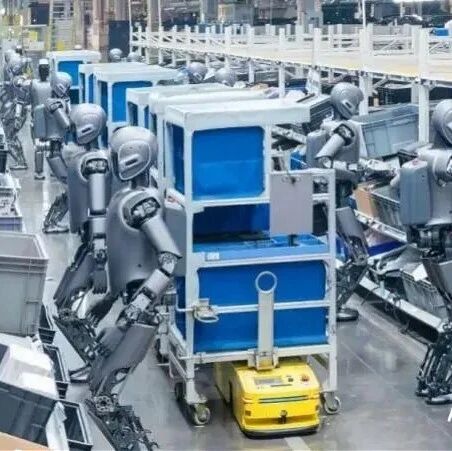
Group 1 - The core viewpoint of the article highlights the rapid growth of the domestic robotics sector, with a significant increase in IPO activities driven by advancements in AI and supportive government policies [1][2][9] - The article notes that in 2024, Shenzhen led the country with 34 successful robot company listings, indicating a strong local market for robotics [1][9] - Despite the surge in IPOs, there remains a gap between financing and practical application, with many humanoid robots still in demonstration phases and limited adoption of collaborative robots in factories and homes [1][9] Group 2 - The IPO wave is characterized by notable listings such as UBTECH as the first humanoid robot stock and Yujin Robotics as the first collaborative robot stock, both attracting significant market attention [2][8] - Companies like Yujin Robotics and UBTECH are expected to see substantial revenues in 2024, with UBTECH projected to generate approximately 1.305 billion yuan and Yujin Robotics around 373.7 million yuan [2][8] - Other companies, including UTree Technology and ZhiYuan Robotics, are also preparing for IPOs, indicating a growing interest in the sector [5][8] Group 3 - The article discusses the influx of capital into the robotics sector, with total financing reaching approximately 38.624 billion yuan by August 2025, significantly higher than the previous year's total [9][10] - Major tech companies like JD.com and Alibaba are heavily investing in the robotics field, enhancing the financial backing for these enterprises beyond traditional venture capital [10] - However, many companies continue to report losses despite revenue growth, highlighting the challenge of achieving profitability in the current market [10][11] Group 4 - The article identifies three main challenges for the robotics industry: high production costs, the need for tailored applications in various scenarios, and the lack of a complete ecosystem for robotics [15][16] - It emphasizes the importance of sustainable commercialization for the robotics sector to thrive, suggesting that companies must focus on long-term strategies rather than short-term gains [13][16] - The article concludes that while the robotics industry has significant potential due to a robust manufacturing base and supportive policies, achieving widespread adoption and profitability remains a critical hurdle [16]
具身智能IPO热潮涌动:资本狂欢背后 规模商用仍任重道远
Nan Fang Du Shi Bao· 2025-09-23 06:21
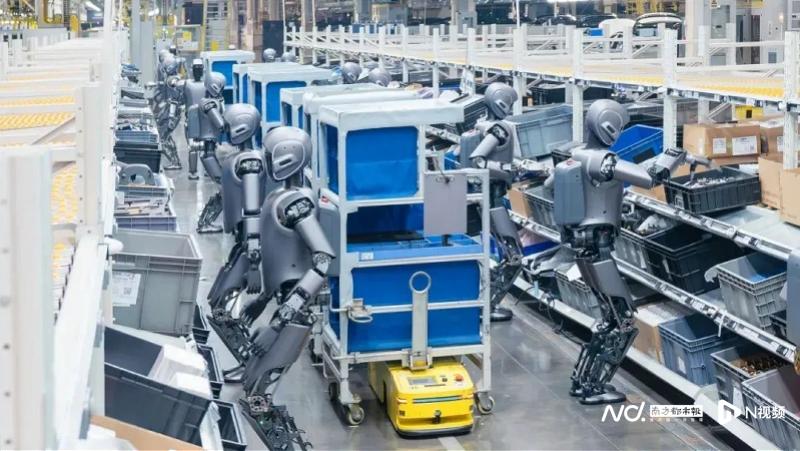
Core Insights - The domestic robotics sector has rapidly accelerated towards the capital market over the past two years, with numerous companies opting for IPOs in Hong Kong or A-shares, aiming to seize market opportunities [1][2][3] - The current IPO boom is driven by the combined effects of AI large models and embodied intelligence, alongside supportive local government policies and investment funds [1][10] - Despite the surge in financing, there remains a gap between funding and commercial application, with many humanoid robots still in demonstration stages and limited adoption of collaborative robots in factories and homes [1][10] Company Developments - UBTECH Robotics became the first domestic humanoid robot company to go public on December 29, 2023, with projected 2024 revenue of approximately 1.305 billion yuan and a net loss of about 1.124 billion yuan [3][9] - Yujian Technology followed as the first collaborative robot company to list on December 23, 2024, with expected revenue of around 373.7 million yuan and a net loss of approximately 95.4 million yuan [3][9] - Other companies like Yushun Technology and Zhiyuan Robotics are preparing for IPOs, with significant media attention due to their innovative products and market presence [5][9] Financing Trends - As of August 2025, the financing amount in the domestic robotics sector reached approximately 38.624 billion yuan, significantly surpassing the 21.254 billion yuan total for 2024 [1][10] - Major internet companies such as JD, Ant Group, Alibaba, Tencent, and Meituan have been actively investing in the embodied intelligence sector, indicating a shift from traditional VC and PE funding to broader industry integration [10] - Despite the influx of capital, many companies, including Ledong Robotics, continue to report net losses, highlighting a focus on market growth rather than immediate profitability [10][11] Market Challenges - The robotics industry faces significant challenges in achieving large-scale commercialization, with humanoid robots primarily used for exhibitions and limited factory applications [11][16] - Key barriers include high production costs, varying application requirements across different scenarios, and a lack of a cohesive ecosystem for robotics technology [16][17] - Experts emphasize the need for patience from capital markets and a clear development path for companies to transition from demonstration to mass delivery [16][17] Future Outlook - The Chinese robotics industry benefits from a large manufacturing market, a complete supply chain, government support, and the synergistic effects of AI and embodied intelligence [17] - Companies that can identify sustainable commercial models are likely to secure a competitive position in the global landscape [17] - The journey from IPO to practical application in factories and homes is seen as a long-term challenge that requires collaboration across the industry and strategic focus from companies [17]
具身智能IPO热潮涌动:资本狂欢背后,规模商用仍任重道远
Nan Fang Du Shi Bao· 2025-09-23 06:17
Group 1 - The domestic robotics sector has rapidly entered the capital market, with multiple companies like UBTECH and Yujian Technology going public, indicating a significant trend in the industry [2][3] - In 2024, Shenzhen led the nation with 34 successful robot company IPOs, reflecting the growing interest and investment in the robotics industry [2] - Despite the surge in IPOs and funding, there remains a gap between financing and practical application, with many humanoid robots still in demonstration stages and limited adoption of collaborative robots in factories [2][8] Group 2 - UBTECH became the first humanoid robot company to list on the Hong Kong Stock Exchange in December 2023, with projected revenue of approximately 1.305 billion yuan and a net loss of about 1.124 billion yuan for 2024 [2][7] - Yujian Technology followed as the first collaborative robot company to go public in December 2024, reporting an estimated revenue of 373.7 million yuan and a net loss of around 95.4 million yuan [3][7] - Other companies like Yushut Technology and Zhiyuan Robotics are preparing for IPOs, indicating a strong pipeline of new entrants in the market [5][7] Group 3 - The total financing in the domestic robotics sector reached approximately 38.624 billion yuan by August 2025, significantly higher than the previous year's total of 21.254 billion yuan [8] - Major tech companies like JD, Ant Group, and Tencent are heavily investing in the robotics sector, enhancing the financial backing for these companies beyond traditional venture capital [9] - Despite the influx of capital, many companies, such as Ledong Robotics, continue to report losses, highlighting the challenges of achieving profitability in the sector [9][10] Group 4 - The primary challenges facing the robotics industry include high production costs, the need for tailored applications in various scenarios, and the lack of a complete ecosystem for robotics technology [14][15] - Experts warn against the "capital rush" effect, where companies may rush to IPO without solidifying their technology and business models, potentially harming long-term competitiveness [12][13] - The future of the robotics industry in China is promising due to a large manufacturing market, a complete supply chain, and government support, but sustainable business models are essential for success [15]