认知陷阱

Search documents
财富大时代,一本书讲透财富与人生的复利魔方︱重阳荐文
重阳投资· 2025-11-24 07:33
Core Viewpoint - The article discusses the challenges and opportunities in the investment landscape during the "VUCA" (Volatility, Uncertainty, Complexity, Ambiguity) era, emphasizing the need for rational decision-making amidst market fluctuations and cognitive biases [2][3]. Summary by Sections Investment Landscape - The years 2021-2025 are characterized as a "post-pandemic" era with trade wars and rapid AI advancements disrupting traditional industries [2]. - Investor sentiment has been low due to significant market fluctuations over the past four years, revealing cognitive biases such as pessimism, anchoring effects, and loss aversion [3]. Book Overview - "Wealth is the Realization of Cognition" has received positive feedback since its release, helping readers navigate turbulent investment periods and achieve returns [4]. - The upgraded version of the book includes an additional 40,000 words of analysis, addressing key global shifts such as the AI equity revolution and the implications of trade policies [5]. Cognitive Traps and Solutions - The book identifies 12 cognitive traps that investors face, such as overconfidence and loss aversion, and provides corresponding strategies to overcome them [13][14]. - Key strategies include using self-awareness to combat overconfidence and adopting long-term thinking to counteract the urge for quick gains [13][14]. Author's Background - The author, Shu Taifeng, combines a humanities background with extensive media experience to present investment philosophies in an accessible manner [25][28]. - The book integrates insights from historical figures like Buffett and Laozi, highlighting the timeless nature of investment wisdom [19][28]. Reader Engagement - The article encourages readers to engage with the book, offering discounts for bulk purchases and membership benefits [7][9].


从IMO「抢跑」到AI「幻觉」:技术狂欢下的认知陷阱
3 6 Ke· 2025-07-30 12:42
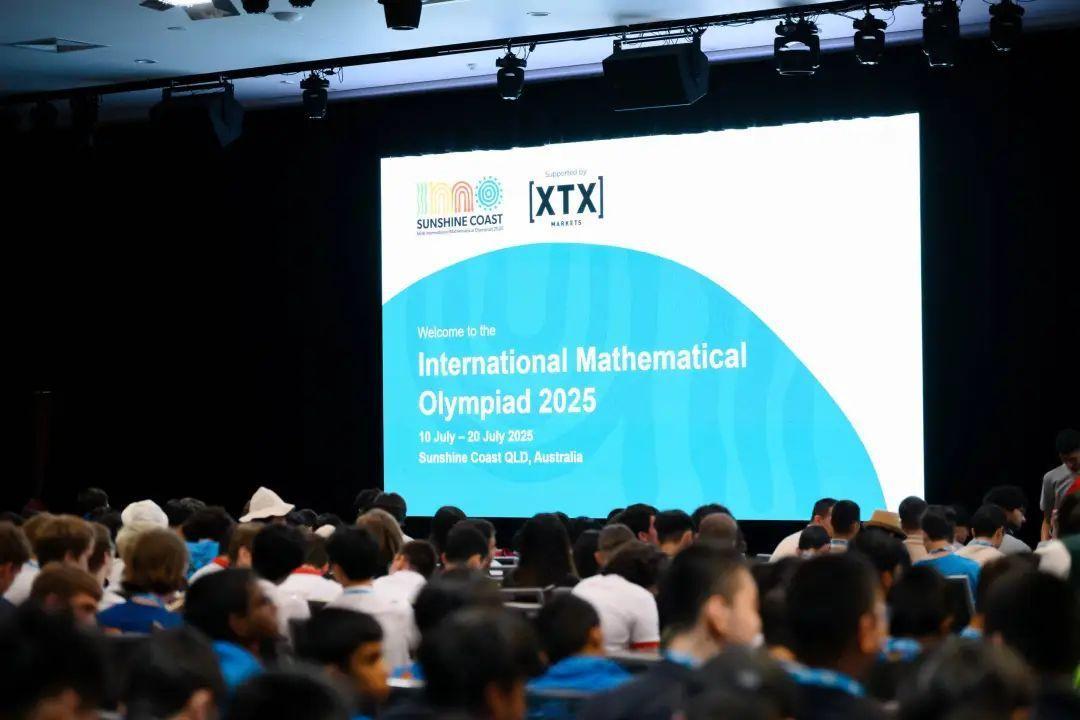
Group 1: International Mathematical Olympiad (IMO) Results - The 66th International Mathematical Olympiad (IMO) results were announced, with the Chinese team winning first place and securing 6 gold medals, including two students achieving full marks, totaling 231 points [1] - The online reaction to China's victory was relatively muted, while the performance of AI models, particularly OpenAI, sparked significant discussion [1] Group 2: AI Performance in IMO - OpenAI's models, including o3 and o4-mini, along with Google's Gemini 2.5 and others, participated in the evaluation of AI performance in mathematics competitions [2][4] - All AI models failed to perform well, with Google's Gemini 2.5 scoring the highest at 13 points, equivalent to 31% of the total score, which was insufficient for a medal [4] - OpenAI claimed to have achieved a score of 35 points, meeting the gold medal threshold, under conditions identical to human participants, which raised questions about the legitimacy of the claim [4][5] Group 3: Controversy Surrounding OpenAI's Announcement - OpenAI's announcement came just minutes after the IMO closing ceremony, leading to accusations of circumventing official protocols and disrespecting human competitors [5] - There is skepticism regarding the authenticity of OpenAI's gold medal claim, as they did not receive an official invitation to participate in the IMO [5] Group 4: AI's Growing Influence and Concerns - Despite the controversies, AI usage is on the rise, with many students and professionals relying on AI for tasks such as essay writing and report generation [7] - A survey indicated that 53% of journalists are using generative AI tools in their work, highlighting the increasing integration of AI in various fields [8] - Over-reliance on AI may lead to cognitive decline, as studies show a significant decrease in students' ability to independently solve complex problems [8] Group 5: The Need for AI Governance - There is a call for utilizing AI's own algorithms to regulate and optimize its application, ensuring safe and effective use of AI technologies [10] - Understanding AI's behavior through its parameters can help users better navigate their trust and reliance on AI systems [12] - AI can also be employed to analyze user behavior and mental health, potentially providing methods to reduce over-dependence on AI [13]