财政增收

Search documents
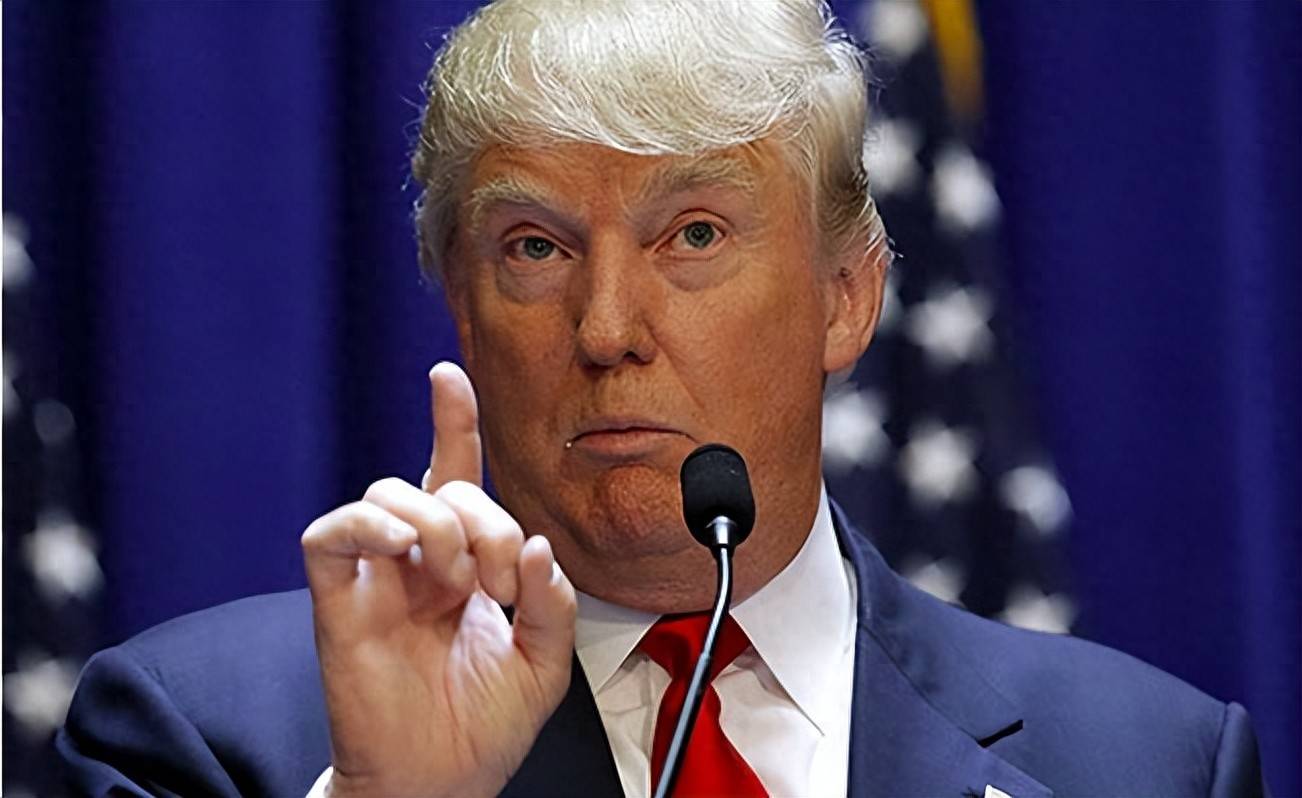
贸易逆差9015亿美元,一年过去,特朗普的关税成功了吗?
Sou Hu Cai Jing· 2026-02-25 20:51
Group 1 - The core point of the article highlights that while Trump's trade policies aimed at reducing the trade deficit have not succeeded, they have significantly increased tariff revenues for the U.S. government, reaching a historic high of $264 billion in 2025, a year-on-year increase of over 234% [1][6][12] - The U.S. trade deficit in goods and services was $901.5 billion in 2025, only slightly down from $903.5 billion in 2024, indicating that the U.S. remains a net importer despite the tariff changes [5][6] - The trade deficit with China narrowed significantly to $202 billion in 2025, the lowest in 20 years, while deficits with Mexico and Vietnam increased, reflecting a strategic shift in supply chains [7][9] Group 2 - The increase in tariff revenues has contributed to a reduction in the U.S. budget deficit, which fell to $1.67 trillion in 2025, the smallest in three years, largely due to the record growth in tariff income [12] - Capital gains tax revenue also rose to $260.6 billion in 2025, benefiting from strong stock market performance, indicating a complementary relationship between tariff revenues and capital gains taxes for U.S. fiscal health [12][13] - Trump's tariff strategy has provided the U.S. with strategic negotiation leverage, leading to significant investment commitments from trade partners, which could potentially support U.S. manufacturing and economic growth [13][15]

从“被动挖潜”向“主动拓源”转变
Xin Hua Ri Bao· 2026-02-09 06:51
Group 1 - In 2025, the province's general public budget revenue reached 10,246 billion yuan, a year-on-year increase of 2.1% [1] - Tax revenue grew by 3.8%, maintaining positive growth for 15 consecutive months, with the tax ratio at 77.4%, an increase of 1.3 percentage points from the previous year [1] - The province successfully secured 10 competitive projects and pilot demonstration projects, involving over 4 billion yuan in funding [1] Group 2 - In 2026, the focus will be on increasing fiscal revenue, shifting from "passive resource extraction" to "active source expansion" [2] - The strategy includes optimizing tax incentives and fiscal subsidy policies to create a favorable development environment [2] - The province aims to enhance its financial capacity by supporting traditional industry upgrades and nurturing emerging industries through a modernized industrial system [2]
未知机构:印尼或缩减镍矿开采配额推升镍价1月19日的最新解读明确印尼因财-20260120
未知机构· 2026-01-20 02:20
Summary of Key Points from Conference Call Industry Overview - The focus is on the nickel mining industry in Indonesia, which is undergoing significant policy changes due to fiscal pressures faced by the government [1][2]. Core Insights and Arguments - Indonesia's nickel policy has shifted from "resource for investment" to "fiscal revenue enhancement" due to financial constraints [1][2]. - The government plans to drastically reduce the mining quota for 2026 to between 250-260 million tons, which is expected to increase costs across the industry [1][2]. - This policy change is anticipated to fundamentally alter the global nickel surplus situation, moving nickel prices away from a cost-based pricing model [1][2]. - The new price center for nickel is projected to be above $18,000 per ton, which will create profit opportunities for companies with low-cost smelting capacities in Indonesia [1][2]. Additional Important Content - The introduction of taxes on by-product cobalt is part of the strategy to elevate industry costs [1][2].
一个令人费解的消息传来:高市早苗决定,2026年起将取消部分留学生在日打工收入的免税
Sou Hu Cai Jing· 2025-12-23 04:44
Group 1 - The Japanese government previously provided tax exemptions on income for international students, which helped alleviate their financial pressure while studying and enhanced Japan's competitiveness in the Asia-Pacific international education market [1] - Starting in 2026, this policy will change, signaling international students to be more cautious in evaluating the stability of policies, sustainability of benefits, and long-term costs when choosing study destinations [1] Group 2 - Japan risks falling behind in global study competition if it does not adjust its approach to balance "fiscal revenue" and "long-term educational development," potentially becoming a case of "winning tax revenue but losing the future" [2] - The formulation of international education policies is a strategic layout concerning national image, talent reserves, and global competitiveness, rather than merely a financial calculation [2] - Policies that disconnect "immediate benefits" from "long-term value" and "local gains" from "systemic ecology" will ultimately backfire in the context of globalization [2]