财政挥霍

Search documents
投资者,悄悄撤出美国资产
凤凰网财经· 2026-01-24 09:07
Group 1 - The article highlights a renewed momentum in asset diversification globally, particularly in emerging markets, as tensions between the US and Europe rise, leading to pressure on the dollar [1][3] - The MSCI Emerging Markets Index has seen a strong start in 2026, with a cumulative increase of 7% this year, while the S&P 500 has only risen by 1% [1] - Latin American stock markets have led the gains, climbing 13% year-to-date, supported by Asian tech stocks [1][3] Group 2 - Record inflows into emerging market funds are pushing the MSCI Emerging Markets Index to new highs, with the Latin America index reaching its highest level since April 2018 [3][4] - The shift in capital from US assets is driven by a desire for diversification and reduced reliance on US Treasuries, as noted by TCW Group's CEO [3] - The iShares Core MSCI Emerging Markets ETF has attracted over $6.5 billion in January alone, potentially marking the largest monthly net inflow since its inception in 2012 [4] Group 3 - Emerging markets are seen as major beneficiaries of global growth, with a bullish outlook as opportunities in developed markets become limited [4] - The total market capitalization of emerging markets is approximately $36 trillion, about half that of the US market, which stands at $73 trillion [4] - Themes of "de-dollarization" and "fiscal extravagance" are re-emerging, which could positively impact emerging market risk premiums [5]

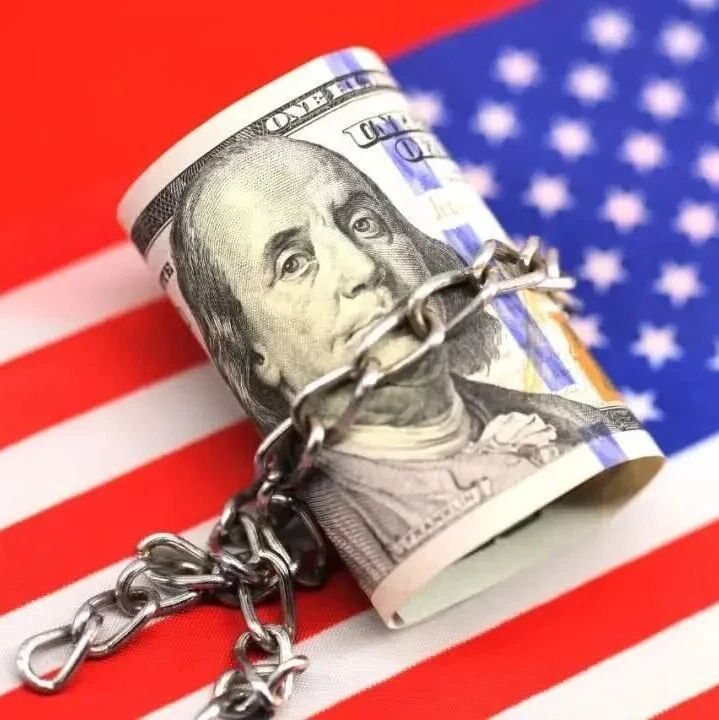
全球经济增速再被下调,特朗普关税战下民众焦虑加剧、市场开始“脱敏”
Di Yi Cai Jing· 2025-06-03 09:33
Group 1 - The market has gradually adapted to Trump's negotiation style, leading to a "desensitization effect" where aggressive rhetoric has less impact on market reactions [2][4] - The Economic Policy Uncertainty Index (EPU) rose by 28% in May, indicating increased public anxiety, while the Chicago Board Options Exchange VIX index fell by 19.92% over the past month, suggesting a calmer market sentiment [1] - Major stock indices such as the S&P 500, Nasdaq, and Dow Jones increased by 5%, 7.84%, and 2.64% respectively, reflecting a stabilizing market despite ongoing trade tensions [1] Group 2 - Analysts believe that Trump's proposed tariffs are perceived as less severe than initially feared, with the market recognizing that these tariffs represent only a small fraction of the threats made earlier [4] - The ongoing trade war is seen as a self-inflicted "five-level tariff storm," with the Trump administration needing to find ways to de-escalate tensions [4][5] - UBS noted that the Trump administration is sensitive to short-term market risks and is motivated to reach agreements with trade partners, indicating a potential shift in strategy [6] Group 3 - Recent polls show widespread dissatisfaction among the American public regarding Trump's trade policies, with only 35% supporting his tariff measures and 57% believing he is overreaching with import tariffs [7] - The OECD has downgraded global economic growth forecasts for 2025 and 2026 to 2.9%, with the U.S. expected to see a significant slowdown from 2.8% in 2024 to 1.6% in 2025 [7] - The OECD warns that the economic impact of the trade war will be felt globally, with a call for countries to urgently reach agreements to lower trade barriers to mitigate the economic downturn [7]