科技股

Search documents
凌晨,暴跌800点!伊朗警告:尽快撤离!美股大跳水,油价飙升!
券商中国· 2026-03-27 23:34
Core Viewpoint - The ongoing tensions in Iran have led to a significant sell-off in the U.S. stock market, with major indices experiencing substantial declines, while oil prices have surged due to geopolitical concerns [1][2][3]. Group 1: U.S. Stock Market Impact - The U.S. stock market saw a collective drop, with the Dow Jones falling nearly 800 points, a decrease of 1.73%, and the Nasdaq dropping over 2% [1][2]. - Major technology stocks, including Amazon and Facebook, fell nearly 4%, while Nvidia and Tesla dropped over 2% [1][2]. - The S&P 500 index also declined by 1.67%, indicating widespread market weakness [2]. Group 2: Oil Price Surge - International oil prices experienced a significant increase, with U.S. crude oil rising by 7.09% to $101.18 per barrel, driven by fears of supply disruptions due to the tense situation in the Middle East [1][3]. - The rise in oil prices has raised concerns about inflation and its potential impact on the global economy, as well as the likelihood of the Federal Reserve delaying interest rate cuts [3][4]. Group 3: Consumer Sentiment - A survey indicated that consumer confidence in the U.S. dropped significantly, with a 6% decline in March, attributed to rising fuel prices and market volatility [2][3]. - Expectations for future fuel prices surged nearly fivefold compared to February, reaching the highest level since June 2022, while personal financial outlooks decreased by 10% [3]. Group 4: Iranian Military Response - The Iranian Revolutionary Guard issued a warning for personnel associated with U.S. and Israeli industrial enterprises to evacuate, following multiple attacks on Iranian facilities [5][6]. - Iran has identified new targets for retaliation, including steel plants in Israel and related industrial facilities in five other countries, indicating a potential escalation in military actions [5][6].


US market selloff continues as Iran war sends consumer sentiment plummeting
The Guardian· 2026-03-27 15:34
Market Overview - The US stock market experienced a significant selloff, with the Dow briefly entering correction territory after a survey indicated a sharp decline in US consumer sentiment in March [1][3] - The tech-heavy Nasdaq index also entered correction territory, marking its largest drop since the onset of the US-Israel war on Iran [2] Consumer Sentiment - A survey from the University of Michigan revealed that US consumer sentiment fell by 6% in March, reaching its lowest level since December 2025 [3][4] - The decline in sentiment was particularly pronounced among consumers with middle to higher income and stock wealth [4] Economic Expectations - Short-term economic expectations among consumers plummeted by 14%, while long-term expectations saw less severe declines [5] - The survey indicated that consumers may not anticipate recent negative developments to persist, although this view could change if the Iran conflict prolongs or if rising energy prices contribute to overall inflation [5] Inflation Projections - Inflation expectations for the year increased from 3.4% to 3.8%, marking the largest one-month rise since April of the previous year [4] - The Organization for Economic Cooperation and Development (OECD) revised its global GDP growth projections downward, citing significant uncertainty around global demand due to the Middle East conflict [5] Global Economic Impact - The ongoing conflict in the Middle East is expected to have human and economic costs, testing the resilience of the global economy [6] - Disruptions in energy supply and increased energy prices are anticipated to lead to higher global inflation, with the UK economy projected to be more adversely affected than other industrialized nations [6]

深夜崩了!美股连跌四周,Mag 7单日蒸发4000亿美元!黄金创43年最大周跌幅,原油却狂飙逼近100美元...
雪球· 2026-03-21 05:08
Group 1 - The article highlights that the U.S. stock market experienced a significant decline, marking the fourth consecutive week of losses, the longest streak in 2024, driven by Federal Reserve's hawkish stance and geopolitical tensions in the Middle East [3][4]. - The "Magnificent 7" tech stocks collectively lost over $400 billion in market value in a single day, with notable declines in Tesla (TSLA -3.24%), Nvidia (NVDA -3.15%), and Amazon (AMZN -2.48%) [4][17]. - The Federal Reserve raised its 2026 PCE inflation forecast to 2.7%, leading to a sell-off as market expectations for interest rate cuts were adjusted from two to one [17]. Group 2 - Oil prices surged, with WTI crude rising 2.66% to $98.09 per barrel, and Brent crude experiencing a nearly 50% increase over three weeks due to ongoing Middle East tensions [19][21]. - Goldman Sachs indicated that oil price risks remain skewed to the upside, raising the probability of a U.S. recession from 15% to 20% [21]. Group 3 - Gold prices faced a significant drop, with COMEX gold futures falling 11.26% for the week, marking the largest weekly decline since 1981, attributed to rising oil prices and a cooling of interest rate cut expectations [23][25]. - Major investment banks maintain a bullish long-term outlook for gold, with price targets for 2026 ranging from $5,400 to $6,300 per ounce [24][25]. Group 4 - Yushutech's IPO application was accepted by the Shanghai Stock Exchange, aiming to raise 4.202 billion yuan, positioning itself as the first "embodied intelligence" stock in A-shares [26][27]. - The company projects a revenue of 1.708 billion yuan in 2025, with a net profit of 288 million yuan, and anticipates a gross margin increase from 44.22% in 2023 to 60.27% in 2025 [27][28]. - The sales forecast includes 5,500 humanoid robots at an average price of 167,600 yuan each, with a projected annual production capacity of 75,000 humanoid robots and 115,000 quadruped robots post-investment [28][29].
美股全线下挫!纳指盘中跌入回调区间,黄金陷技术性熊市
第一财经· 2026-03-21 00:48
Market Overview - The U.S. stock market experienced a significant decline, with the Dow Jones dropping over 400 points, closing down 443.96 points or 0.96% at 45577.47 points. The Nasdaq fell by 2.01% to 21647.61 points, and the S&P 500 decreased by 1.51% to 6506.48 points, marking its longest losing streak since March 2025 with four consecutive weeks of decline [3][4]. - The market sentiment has worsened as all three major U.S. indices fell below their 200-day moving averages, indicating increased volatility and trading volume due to the quarterly "triple witching" day [4]. Sector Performance - The S&P 500 Energy Sector Index recorded its 13th consecutive week of gains, setting a historical record, primarily driven by geopolitical events in Venezuela and the Middle East [8]. - In contrast, major technology stocks underperformed, with Apple down 0.39%, Microsoft down 1.84%, and other tech giants like Meta, Google, Nvidia, and Tesla declining over 2% [5][7]. Economic Indicators - The ongoing conflict in the Middle East has raised concerns about inflation and interest rate hikes, with the 10-year U.S. Treasury yield approaching 4.40% [3][10]. - The Federal Reserve's stance on interest rates has become more complex due to rising oil prices, which are expected to increase inflationary pressures. Market expectations have shifted, with the likelihood of rate hikes by the end of 2026 now higher than that of rate cuts [10][11]. Commodity Market - Oil prices continued to rise, with light crude oil futures for April delivery increasing by $2.18 to $98.32 per barrel, a 2.27% rise. Brent crude for May delivery rose by $3.54 to $112.19 per barrel, a 3.26% increase [12]. - Precious metals faced downward pressure due to rising interest rate expectations, with gold futures dropping below $4500, marking a nearly 11% decline for the week and entering a technical bear market [12].
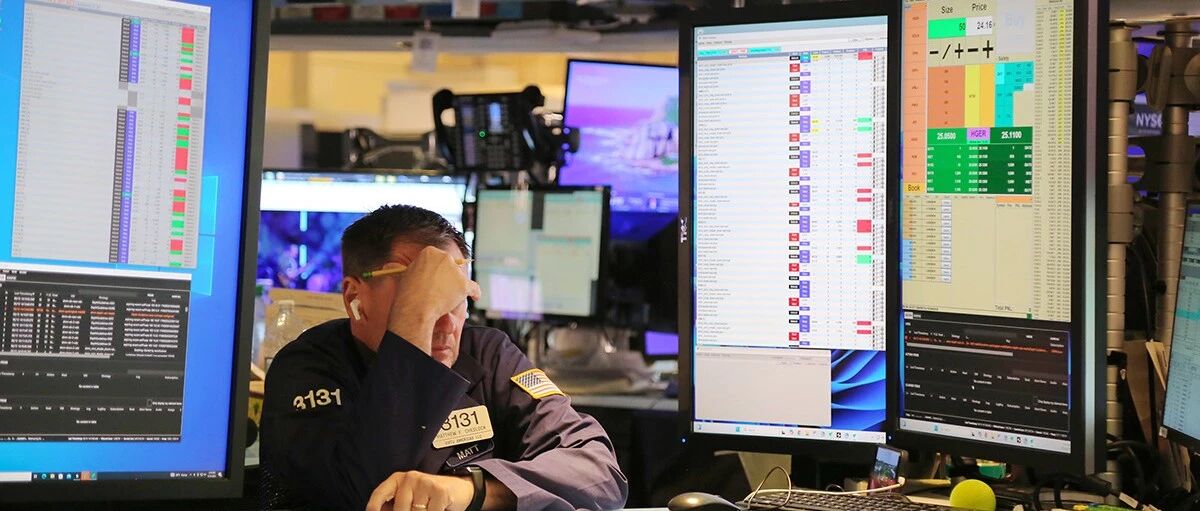
每日投资策略-20260318
Guodu Securities Hongkong· 2026-03-18 02:14
Group 1: Market Overview - The report indicates that the Hong Kong stock market is experiencing persistent risk aversion, with no optimistic outlook for the near future. Despite a brief rally, the Hang Seng Index closed only slightly higher, reflecting ongoing market concerns [3]. - The Hang Seng Index opened at 25,938 points, reaching a high of 26,250 points before facing selling pressure, ultimately closing at 25,868 points, up 34 points or 0.13%. The total market turnover was 26.83 billion [3]. Group 2: Company News - Alibaba (09988) launched the world's first enterprise-level AI agent platform named "Wukong," which allows teams to coordinate multiple AI agents for complex tasks. The platform is currently in beta testing for invited users [10]. - Leapmotor (09863) announced that its factory in Spain is expected to start production in October, with plans to introduce models B10 and B05. The battery factory is also under construction, with initial production scheduled for April [11]. - Tianyu Semiconductor (02658) expects to narrow its net loss to approximately 55 million to 65 million RMB for the fiscal year ending December 2025, significantly down from a loss of about 500 million RMB in the previous fiscal year, attributed to business growth and the absence of major one-time inventory write-downs [12]. Group 3: Industry Dynamics - Jefferies' global macro strategist Mohit Kumar expressed that there is currently no immediate concern regarding a bubble in the U.S. AI sector, predicting that if a bubble were to form, it would take at least two years. He noted that most AI capital expenditures are funded by cash rather than debt, with leverage levels expected to rise only by the end of next year [7]. - Kumar has shifted his focus to Chinese tech stocks, believing they will outperform their U.S. counterparts due to lower costs and comparable quality in AI model development. He anticipates two interest rate cuts in the U.S. later this year, which could lead to a more dovish stance from global central banks [7]. Group 4: Transportation Sector - Hong Kong International Airport reported a significant year-on-year increase in passenger traffic, with February figures showing 5.42 million passengers, up 20.1%. The airport also saw a 10.5% increase in aircraft movements and an 11.6% rise in cargo volume [8].


特朗普下令:发动猛烈空袭!油价冲破100美元,金银集体跳水!资产波动率飙升,“这通常是宏观危机的信号!”
雪球· 2026-03-14 04:46
Group 1 - The ongoing Middle East conflict is significantly impacting global capital markets, with major U.S. stock indices experiencing declines and oil prices surpassing $100 for two consecutive days [3][14]. - The S&P 500 index has seen a continuous decline for three weeks, while the technology sector is particularly weak, with major tech stocks like META and Apple dropping by nearly 4% and over 2% respectively [6][8]. - Despite the downturn in U.S. tech stocks, Chinese concept stocks have mostly risen, with the Nasdaq Golden Dragon China Index increasing by 0.76% [8]. Group 2 - Storage-related stocks have shown resilience, with companies like SanDisk and Micron Technology seeing significant gains, attributed to increased demand driven by AI spending [10][11]. - Analysts have raised Micron's target price, indicating strong market confidence in its potential, especially in high-bandwidth memory (HBM) [11]. - The storage chip industry is entering a new phase, with executives suggesting that price increases may become the "new normal" due to ongoing supply-demand imbalances [12]. Group 3 - Oil prices have continued to rise, with WTI and Brent crude oil futures closing at $97.21 and $103.90 per barrel respectively, marking a significant increase [14][15]. - The geopolitical tensions in the Middle East have led to heightened volatility in the markets, with implied volatility indices reaching levels not seen since last year's significant market events [20][21]. - The overall market has experienced a substantial loss in value, with trillions of dollars evaporating from global stock markets due to the escalating conflict [21].

一觉醒来,中东重大突发!国际油价大涨,美科技股大跌
天天基金网· 2026-03-14 02:03
Market Performance - US stock markets continued to decline, with the Dow Jones Industrial Average down 0.26% to 46,558.47 points, the S&P 500 down 0.61% to 6,632.19 points, and the Nasdaq down 0.93% to 22,105.36 points, marking three consecutive days of losses for the Dow and S&P 500 [4][6] - The Nasdaq index accumulated a decline of 1.26% for the week, while the Dow and S&P 500 fell by 1.99% and 1.6%, respectively [4][6] Sector Performance - Major technology stocks experienced declines, with the "Big Seven" tech companies index down 1.59%. Notable declines included Meta down 3.84%, Apple down 2.31%, and Nvidia and Microsoft down over 1.5% [6][7] - Coal and non-ferrous metal stocks mostly fell, with Hallador Energy down over 11% and Southern Copper down 5.4% [8] Chinese Stocks - Chinese stocks saw a general increase, with the Nasdaq China Golden Dragon Index rising 0.76%. Key Chinese stocks such as JD.com, NetEase, and Alibaba all posted gains [8][9] Oil Prices - International oil prices surged significantly, with Brent crude futures closing above $100 per barrel for the second consecutive trading day, reaching a three-year high of $103.89 per barrel [11][15] - WTI crude oil also rose for three consecutive days, currently priced at $99.31 per barrel [13] Geopolitical Events - President Trump announced airstrikes on Iran's oil export hub, Khark Island, claiming to have destroyed all military targets while sparing oil infrastructure. This action is part of escalating tensions in the Middle East [21][22] - The US is increasing military presence in the Middle East, deploying additional Marine Corps and naval vessels in response to ongoing tensions with Iran [26] Currency and Precious Metals - The US dollar index reached a new high for the year, surpassing 100, with a 0.75% increase. The dollar strengthened against the yen, reaching its strongest level since July 2024 [16][18] - Precious metals prices fell, with spot gold down to $5,018 per ounce and silver down to $80.584 per ounce [19][20]






今夜,全线大跌!刚刚,伊朗重大警告!
券商中国· 2026-03-09 15:06
Core Viewpoint - The article discusses the significant impact of the ongoing Middle East conflict on the U.S. stock market, particularly highlighting the sharp decline in major indices and the surge in oil prices due to geopolitical tensions [1][3]. Market Impact - The U.S. stock market experienced a substantial drop, with the Dow Jones Industrial Average falling over 800 points at one point, and major indices closing down significantly: Dow down 1.3%, Nasdaq down 0.64%, and S&P 500 down 0.94% [3]. - Major technology stocks also faced declines, with Tesla dropping nearly 3% and other tech giants like Amazon, Meta, and Nvidia falling over 1% [3]. - Airline stocks plummeted due to rising oil prices, with United Airlines down over 7% and Delta, American, and Southwest Airlines down over 5% [3]. - Banking stocks also saw significant losses, with Jefferies down over 4% and major banks like Citigroup and Wells Fargo down over 3% [3]. Oil Price Surge - Oil prices surged dramatically, with WTI crude futures rising over 14% and Brent crude futures increasing over 13% [1]. - The closure of the Strait of Hormuz has led to a significant drop in oil production, with estimates suggesting a decrease of over 4 million barrels per day, potentially reaching 9 million barrels per day by the end of March, which is about 10% of global demand [3][5]. - Iran has warned that if the conflict continues, oil prices could exceed $200 per barrel, indicating a severe potential impact on global energy markets [6][7]. Geopolitical Tensions - The article highlights the ongoing military actions between Iran and Israel, with Iran's Islamic Revolutionary Guard Corps conducting strikes against U.S. bases and Israeli targets, further escalating tensions in the region [7][8]. - Analysts suggest that the market may be underestimating the duration and impact of the conflict, leading to a "snowball effect" that accelerates oil price increases [4]. Monetary Policy Implications - The rising oil prices and energy market volatility are influencing the monetary policy outlook for the Federal Reserve and the European Central Bank, with expectations for interest rate hikes being adjusted significantly [5].

贵金属:中东局势加剧金银市场波动,中长期上行逻辑未改
Fang Zheng Zhong Qi Qi Huo· 2026-03-09 06:37
1. Report Industry Investment Rating No relevant content provided. 2. Core Viewpoints of the Report - The underlying logic of the current precious metals bull market is global de - dollarization, and this logic remains intact. Long - term funds are not sensitive to short - term price fluctuations, and short - term price drops may stimulate more buying, building a solid bottom [86]. - The sharp adjustment of precious metals prices since the end of January is a healthy technical correction in the long - term bull market, not a trend inflection point or the end of the bull market. After the leverage returns to a reasonable level, prices will re - anchor to fundamentals [86]. - The geopolitical conflict in the Middle East has led to concerns about the uncertainty of the Fed's future interest - rate cut path, causing the US dollar index to approach 100. In the context of a significant increase in inflation expectations, the attractiveness of precious metals as non - interest - bearing assets has declined, resulting in short - term price pressure and increased volatility [86]. - The Fed is expected to continue cutting interest rates in the future, and the real interest rate of US Treasury bonds will continue to decline, which is beneficial to precious metals. The Fed's balance - sheet reduction is difficult to implement [86]. - The US dollar is likely to enter a medium - to - long - term downward channel due to factors such as the decline in the US's global control ability, the challenges to its hegemony, and the out - of - control debt scale [86]. - The fundamentals support the rise of silver prices. The supply - demand contradiction of silver cannot be fundamentally alleviated in the short term, and the price increase elasticity of silver is expected to be stronger than that of gold, with room for further downward adjustment of the gold - silver ratio [86]. 3. Summary by Directory 3.1 First Part: Market Review Gold - In early 2026, the global gold market accelerated its rise, with London gold breaking through the $5000 mark and reaching nearly $5600. Then, it experienced an epic plunge, with a two - day decline of over $1000 at the end of January. The direct cause was Trump's nomination of Kevin Warsh as the new Fed chairman, and the deeper reason was the liquidity crisis caused by the stampede of highly leveraged funds [13]. - In early February, there was a short - term technical rebound, followed by a callback. After the Spring Festival, due to Trump's additional 15% tariff and the tense situation in the Middle East, gold prices rose again. At the end of February, due to the military strike on Iran by the US and Israel, gold prices first rose rapidly and then fell back [13]. - Despite the sharp adjustment since the end of January, the cumulative increase of gold in early 2026 was nearly 20%, continuing the bull market in 2025 and remaining one of the best - performing global assets [13]. Silver - In January, the silver market had an epic rally, driven by factors such as de - dollarization, risk - aversion sentiment, and potential risks in overseas deliveries. However, at the end of January, it experienced a record - breaking one - day decline, mainly due to the liquidity crisis caused by the stampede of highly leveraged funds [15]. - In early February, there was a short - term rebound, followed by a significant callback. After the Spring Festival, silver prices rose again, but at the end of February, the CME's "technical glitch" caused the silver price to turn from rising to falling. The risk of a short - squeeze in March was temporarily relieved [15]. - In February, the cumulative increase in silver prices was almost zero, with a significant decrease in volatility compared to January. The market showed signs of stabilization, but volatility increased again in March. The physical inventory of silver is rapidly decreasing, and the global silver market is expected to have a supply gap for the sixth consecutive year in 2026 [15]. 3.2 Second Part: Macro Logic Middle East Conflict and Market Reaction - The escalation of the Middle East conflict led to a significant rise and then a fall in the precious metals market. The rise in oil prices put pressure on global risk assets, and the precious metals market initially rose due to its safe - haven property. As the conflict expanded, concerns about the Fed's future interest - rate cut path and the rise in the US dollar index put pressure on precious metals [20]. - The US's series of geopolitical actions have increased global risk - aversion demand, driving up precious metal prices. The risk of the US economy falling into stagflation has increased, which is beneficial to gold [20]. Impact of High Oil Prices - The US - Israel attack on Iran led to a rise in oil prices and the US dollar index. In the short term, it was negative for gold and silver, but in the long term, it meant a further decline in the real interest rate of US Treasury bonds and an increase in inflation expectations, which was beneficial to precious metals [21]. Change in the Pricing Logic of Precious Metals - Historically, the real interest rate of US Treasury bonds was the underlying framework for judging gold prices. However, since 2023, the real interest rate of US Treasury bonds has risen together with gold, and the traditional pricing logic is changing. The US's debt, deficit, and the impairment of the US dollar's credit are becoming the new pricing anchors for gold [23]. Global De - dollarization - The US dollar index has been declining since 2025, and the global trend of de - dollarization is accelerating. Central banks around the world have been increasing their gold holdings, and the proportion of the US dollar in global foreign exchange reserves has fallen below 60% [26]. Weakening of the Safe - haven Attributes of the US Dollar and US Treasury Bonds - The US dollar and US Treasury bonds, which were once considered safe - haven assets, have begun to show the characteristics of risky assets. In contrast, the safe - haven attributes of gold and silver have emerged [30]. Expansion of US Treasury Bond Scale - The scale of US Treasury bonds is expanding uncontrollably, leading to a diversion of global risk - aversion funds to precious metals and other assets. If only 1% of foreign holders of US Treasury bonds transfer their funds to gold, the international gold price is expected to exceed $6000 per ounce [32]. Outlook for the US Dollar Index - The US dollar index is in a downward cycle, and it is expected to remain weak and decline in the next five years. A decline in the US dollar index will push up the price of gold [37]. US Stock Market and Precious Metals - The US stock market has shown signs of weakness since the beginning of 2026. If the over - valuation of the US stock market cannot be sustained, funds are expected to flow into the precious metals market [38]. US Economic Situation - The US economic growth rate has slowed down, and the risk of stagflation has increased. Inflation remains above the target value, and the real interest rate of US Treasury bonds is expected to decline, which is beneficial to precious metals [41][44]. Fed's Independence and Policy Expectations - Trump's intervention in the Fed's independence has affected the precious metals market. Although Trump's nomination of Kevin Warsh as the new Fed chairman was unexpected, it is difficult to change the Fed's expectation of continuing to cut interest rates, and the Fed's balance - sheet reduction is difficult to implement [45]. Redefinition of Gold and Silver - Gold and silver are being redefined as anti - inflation and risky assets. Their volatility has increased, and they have become an important part of global asset allocation. In the long term, they have the ability to resist inflation [48]. 3.3 Third Part: Fundamental Logic Central Bank Gold Purchases - In 2025, global central bank gold purchases reached 863 tons, remaining at a high historical level but with a slower pace compared to the previous three years. In January 2026, central bank gold purchases were significantly lower than the monthly average in 2025. Some central banks plan to increase their gold reserves, and global de - dollarization is expected to continue, making central bank gold purchases a fundamental demand for gold [53]. Gold Investment Demand - In 2025, global gold demand reached a record high of 5002 tons, with investment demand being the main driving force. Gold investment demand increased significantly, while jewelry demand declined in volume but increased in value. In 2026, the relaxation of investment regulations in India may bring more funds to the precious metals market [56]. Silver Supply - The supply of silver is rigidly constrained. The growth of mineral silver and recycled silver is limited, and the supply elasticity of the silver mining end is small. In 2026, the growth rate of silver supply is expected to be about 1.5% [59]. Silver Demand - Industrial demand accounts for nearly 60% of total silver demand. In 2025, total silver demand decreased slightly, and in 2026, it is expected to remain basically unchanged. The AI field will be an important source of incremental demand for silver [63]. Silver Supply - Demand Gap - The silver market has been in short supply for five consecutive years, and it is expected to be in short supply for the sixth consecutive year in 2026. The supply - demand gap is expected to widen, and the available inventory is extremely limited, which is beneficial to the rise of silver prices [66]. Gold - Silver Ratio - The gold - silver ratio reflects the premium of gold over silver in terms of safe - haven demand. Currently, the gold - silver ratio has dropped to around 50, lower than the historical normal level. If the monetary attribute of silver returns, the gold - silver ratio may fall below 20 [67][68]. Asset Management and ETF Holdings - As of March 3, the non - commercial net long positions in COMEX gold decreased, while the holdings of the world's largest gold ETF, SPDR, increased. For silver, the non - commercial net long positions in COMEX decreased, and the holdings of SLV increased. The spot market for both gold and silver is more optimistic than the futures market [72][76]. 3.4 Fourth Part: Summary and Outlook - In the medium - to - long - term, it is advisable to try to buy gold and silver on dips. For Shanghai silver, the first support range is 19,000 - 20,000 yuan per kilogram, and the upper pressure range is 24,000 - 25,000 yuan per kilogram. For Shanghai gold, the first support range is 1050 - 1100 yuan per gram, and the upper pressure range is 1250 - 1300 yuan per gram. In the options market, one can try to buy deep - out - of - the - money long - term call options on gold and silver [85]. - The sharp adjustment of precious metals prices is a healthy technical correction. The underlying logic of the precious metals bull market remains unchanged, and the market is expected to start a new round of upward cycle as risk - aversion sentiment intensifies [86].
道琼斯,大跌近800点
财联社· 2026-03-06 00:11
Market Overview - The U.S. stock market experienced significant volatility due to escalating conflicts in Iran, impacting global markets and causing oil prices to surge to their highest levels since mid-2024 [1] - The Dow Jones index saw a drop of over 1100 points during trading, ultimately closing down 784.67 points, or 1.61%, at 47954.74 points [2][3] - Oil prices increased sharply, with U.S. crude rising by 8.5% to over $81 per barrel, marking the largest single-day increase since May 2020 [2] Oil Market Dynamics - U.S. crude and Brent crude prices have risen over 20% and 17% respectively this week, driven by concerns over potential disruptions in oil transportation through the Strait of Hormuz [3] - The escalation of conflict has reportedly halted oil tanker navigation through the Strait, although Iran's UN representative denied claims of a blockade [3] Sector Performance - In the S&P 500 index, sectors such as industrials, materials, and healthcare saw the largest declines, with the passenger airline sub-industry experiencing significant losses [4] - Energy sector ETFs showed resilience, with oil and gas ETFs rising by 1.88% and energy select ETFs increasing by 0.53% [5] Company Performance - Major tech stocks exhibited mixed results, with Microsoft up 1.35% and Amazon up 0.98%, while Tesla and Google saw declines of 0.10% and 0.74% respectively [6] - Broadcom's strong earnings outlook, predicting AI chip revenue to exceed $100 billion next year, helped limit broader market declines, with its stock rising by 4.8% [6] - Financial stocks dragged down the Dow, with JPMorgan, Goldman Sachs, and Morgan Stanley experiencing declines of 1.95%, 3.67%, and 3% respectively, amid reports of significant layoffs [6] Chinese Stocks - The Nasdaq Golden Dragon China Index fell by 1.4%, with notable declines in stocks such as Bilibili and Hesai, while Trip.com saw an increase of over 2% [7]