账户安全

Search documents
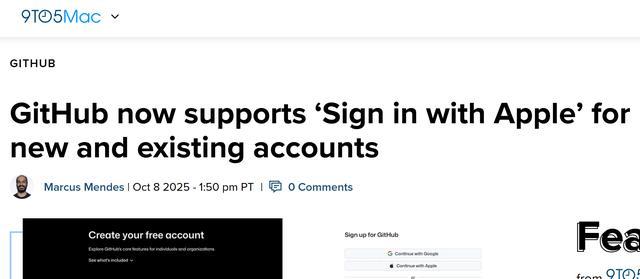
GitHub新增“通过Apple登录”功能,方便iOS开发者及苹果生态用户操作
Huan Qiu Wang Zi Xun· 2025-10-09 05:50
Core Point - GitHub has officially introduced "Sign in with Apple" to simplify the registration process for iOS developers and Apple ecosystem users [1][2]. Group 1: New Feature Overview - The new feature allows new GitHub users to register by selecting "Continue with Apple," significantly reducing the complexity of the registration process [2]. - Existing GitHub users can link their Apple ID to their accounts, enabling them to log in without remembering a separate GitHub password, thus enhancing login efficiency [2]. Group 2: Security Measures - GitHub emphasizes account security, recommending users enable two-factor authentication (2FA) for enhanced protection [3]. - 2FA requires users to provide two different types of credentials for verification, adding an important layer of security even if Apple ID credentials are compromised [3].



股票融资协作平台 如何保障账户安全?
Sou Hu Cai Jing· 2025-08-01 12:20
Core Insights - Account security is a primary concern for investors using stock financing collaboration platforms, with quality platforms adopting real trading cooperation models to ensure the authenticity and controllability of funds and trading environments [1][3] Group 1: Account Management - Platforms assign real-name trading accounts to users, allowing clients to have full control over their transactions, including order placement, inquiries, and stop-loss settings, all conducted through the official broker's app [3] - The platform does not handle client trading operations or control fund passwords, effectively mitigating risks of backend manipulation or human intervention [3] Group 2: Risk Management - Quality platforms implement multiple risk control mechanisms to ensure safety, including account limit controls, system risk stop-loss lines, and automatic liquidation strategies, protecting user rights during abnormal market conditions [3] - Dedicated customer service and real-time trading support are provided to enhance response efficiency and risk feedback capabilities [3] Group 3: Transparency - Clients can check account transactions, trade details, and fund flows at any time, ensuring transparency in trading, verifiable data, and controllable funds [3] - For investors seeking stable and compliant operations, choosing platforms with real trading risk control systems and transparent mechanisms is essential for safeguarding account security [3]

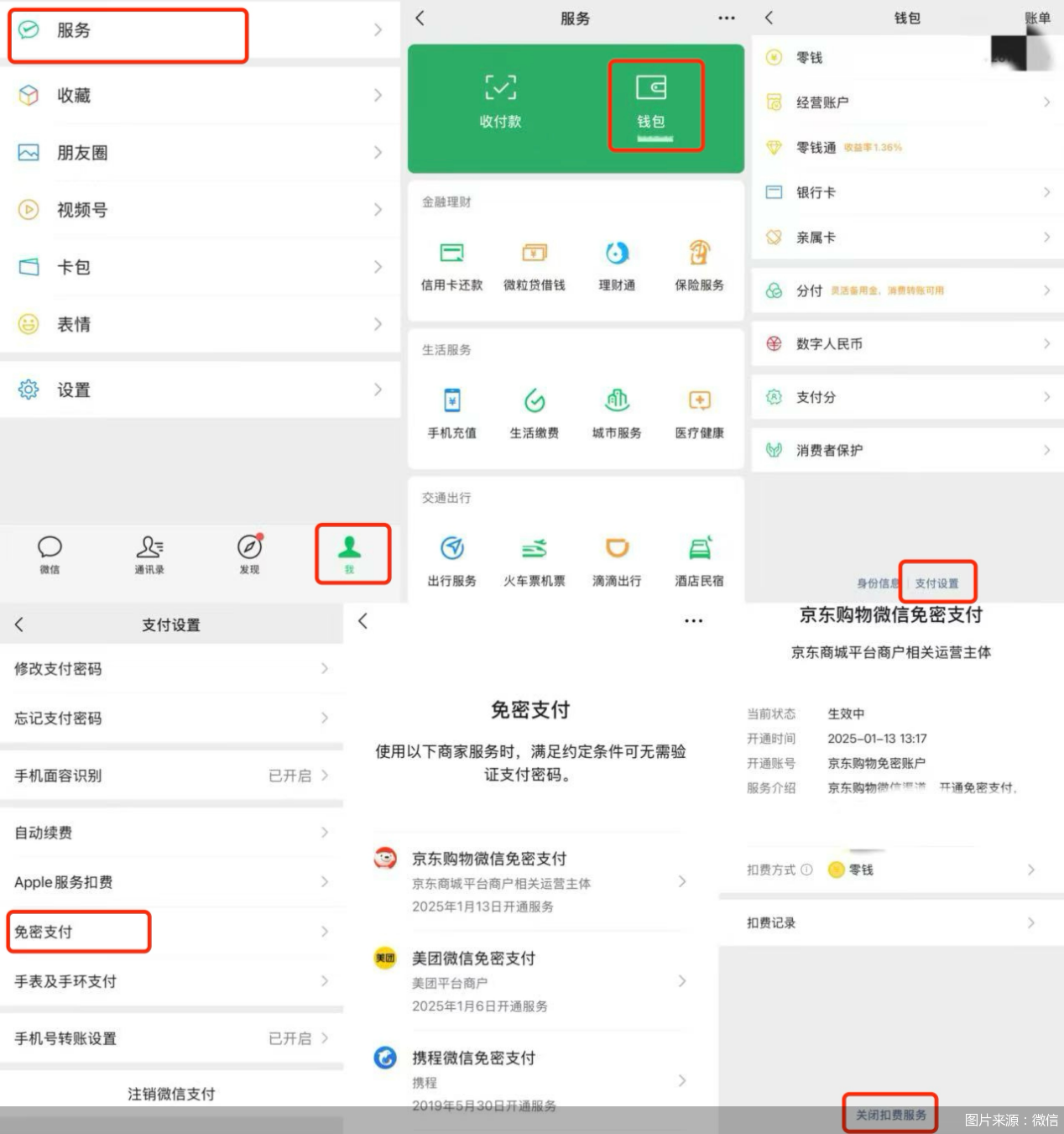
支付账户遭盗刷再上热搜,如何关闭免密支付?攻略来了!
Bei Jing Shang Bao· 2025-04-06 11:30
Core Viewpoint - The recent surge in discussions surrounding "no-password payment" has been triggered by multiple reports of unauthorized transactions linked to Apple accounts, raising concerns about the security of this payment method [1][2]. Group 1: Incidents of Unauthorized Transactions - Reports indicate that consumers have experienced significant unauthorized transactions, with one case involving 162 transactions totaling over 80,000 yuan [1]. - Specific incidents include a consumer losing 998 yuan to a game recharge during late-night hours, highlighting the vulnerability of accounts during these times [1]. Group 2: Consumer Concerns and Feedback - Users have expressed difficulties in canceling no-password payment options and have reported unexpected charges due to this feature [2]. - The primary concerns revolve around account information leakage leading to unauthorized transactions, particularly during late-night hours when users are less likely to notice [2]. Group 3: Expert Opinions - Experts, including researchers from the Beijing Academy of Social Sciences, have noted that while no-password payments enhance convenience, they also pose significant security risks, especially if accounts are compromised [2][6]. - The China Consumers Association has advised users to exercise caution when using no-password payment features to prevent potential financial losses [2]. Group 4: Recommendations for Users - Users are encouraged to actively manage their payment permissions and to be aware of the risks associated with no-password payments [6]. - Recommendations include setting strong passwords, enabling two-factor authentication, and regularly checking transaction records to identify any anomalies [6]. Group 5: How to Manage No-Password Payment Settings - Instructions for disabling no-password payment features on popular platforms like Alipay and WeChat have been provided, emphasizing the importance of user awareness in managing these settings [4][5]. - For iOS users, guidance is available on how to check and cancel subscriptions related to no-password payments through the Apple account settings [5].