购票平台搭售套路

Search documents
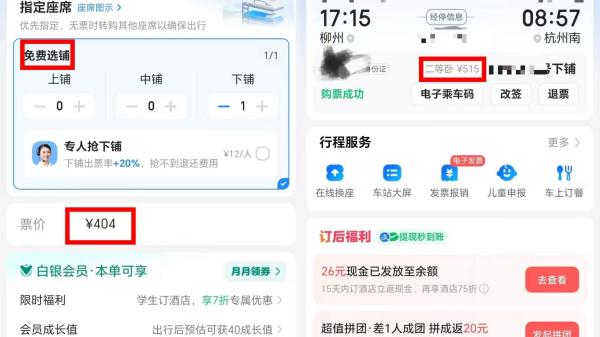
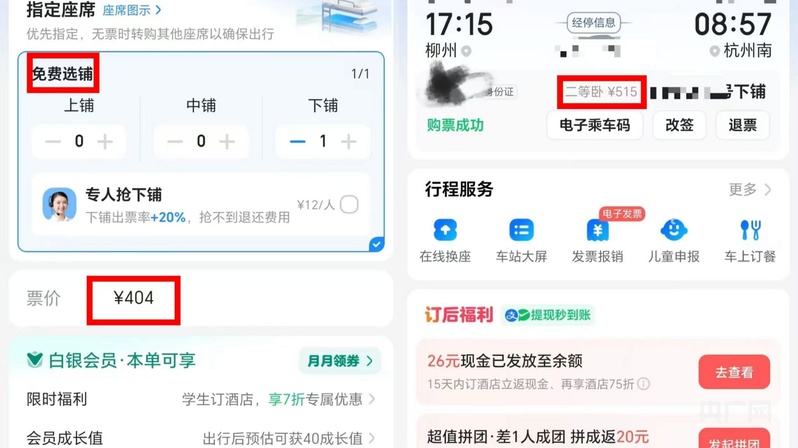
显示404元需付515元,平台买票套路何时休?
Xin Lang Cai Jing· 2026-01-08 08:42
Core Viewpoint - The article highlights the increasing prevalence of hidden fees and misleading practices in third-party ticket purchasing platforms, particularly during the upcoming Spring Festival travel season, raising concerns about consumer rights and transparency in pricing [1][15]. Group 1: Consumer Experiences - A consumer from Guangxi reported purchasing a train ticket for 404 yuan, only to find the final price was 515 yuan due to undisclosed service fees, raising questions about transparency [3]. - Another consumer from Sichuan experienced a "speed trap," where the ticket price jumped from 50 yuan to 72 yuan without clear notification, leading to an automatic payment due to a pre-enabled feature [4]. - Consumers have expressed frustration over being charged for services they did not knowingly select, indicating a lack of clarity in the purchasing process [4][5]. Group 2: Regulatory Context - Current regulations prohibit default selections for add-on services like insurance and expedited packages, yet many platforms still employ tactics that obscure true costs [5][16]. - Despite the 2019 e-commerce law aimed at protecting consumers, platforms continue to exploit loopholes by using visually misleading designs to promote paid options [16][17]. Group 3: Common Tactics - Platforms utilize "price sorting traps" to mislead consumers into selecting packages that include additional fees, often without clear disclosure [9][10]. - Visual design strategies are employed to create the illusion of separate pricing for add-on services, leading consumers to believe they are optional when they are not [13][14]. - The prevalence of these tactics has been confirmed by consumer surveys, with over 90% of respondents indicating they have encountered hidden fees on third-party platforms [8]. Group 4: Industry Implications - The article suggests that the pursuit of profit by platforms leads to practices that infringe on consumer rights, emphasizing the need for better transparency and ethical practices in the industry [15][17]. - Experts call for stricter regulations and enforcement to address the evolving tactics used by platforms, which often skirt existing laws [17].


从强制“默认勾选”到“隐形诱导” 记者起底购票平台搭售套路
Yang Guang Wang· 2026-01-08 04:01
Core Viewpoint - The article highlights the increasing prevalence of hidden fees and misleading practices in third-party ticket purchasing platforms, which have evolved from overt bundling to more subtle forms of consumer deception, impacting consumer rights and choices [1][5][11]. Group 1: Consumer Experiences - A consumer named Wang Ran reported a discrepancy in ticket pricing on a third-party platform, where the final price was significantly higher than initially displayed, leading to confusion and frustration [2][4]. - Another consumer, Liu Li, experienced a "speed trap" where the price changed unexpectedly during the purchasing process, resulting in an unintentional purchase due to the platform's design [2][5]. Group 2: Misleading Practices - Common tactics used by ticket platforms include "price sorting traps," where the lowest displayed price is misleadingly tied to additional services, leading consumers to believe they are purchasing at the lowest price [6][8]. - Visual design strategies are employed to create the illusion of separate charges for additional services, misleading consumers into thinking they are optional when they are actually bundled with the ticket price [10]. Group 3: Regulatory and Industry Insights - Despite regulations against default bundling of services, the article notes that platforms have shifted to more covert methods of inducing additional charges, raising concerns about consumer rights violations [5][11]. - Industry experts emphasize the need for improved transparency in the purchasing process and stronger regulatory oversight to protect consumer rights and ensure compliance with existing laws [11].
从强制“默认勾选”到“隐形诱导” 揭秘购票平台搭售套路
Yang Shi Xin Wen· 2026-01-08 00:38
Core Viewpoint - The article highlights the increasing complexity and hidden costs associated with third-party ticket purchasing platforms, which have evolved from overt bundling practices to more subtle forms of consumer manipulation, such as price sorting traps and visual misdirection [1][5]. Group 1: Consumer Experiences - A consumer from Guangxi reported a discrepancy in ticket pricing, where a ticket initially priced at 404 yuan ended up costing 515 yuan due to undisclosed service fees during the payment process [3][4]. - Another consumer from Sichuan experienced a "speed trap," where a ticket advertised at 50 yuan unexpectedly cost 72 yuan upon payment, with no clear indication of additional fees until after the transaction was completed [4]. Group 2: Regulatory Context - Current regulations prohibit default selection of add-on services like insurance and expedited packages, requiring clear consumer notification for bundled offerings [5][12]. - Despite the reduction in forced bundling, the complexity of additional services and page designs has increased consumer burden, with over half of surveyed users identifying hidden consumption traps as a significant issue [5]. Group 3: Common Tactics Used by Platforms - **Trap One: Misleading Price Sorting** - Platforms often display the lowest price option first, but consumers must purchase additional services to access that price, misleading them into thinking they are getting the best deal [7][12]. - **Trap Two: Visual Misleading** - Page designs can create the illusion that additional services are optional, while they are actually bundled with the ticket price, leading to unexpected charges at checkout [8][10]. Group 4: Industry Insights - The evolution from forced bundling to hidden inducements reflects a profit-driven approach by platforms, where basic ticket sales serve as a means to attract customers, while the real revenue comes from various add-on services [11][12]. - Experts emphasize the need for improved transparency in the purchasing process and stronger regulatory oversight to protect consumer rights [12].